

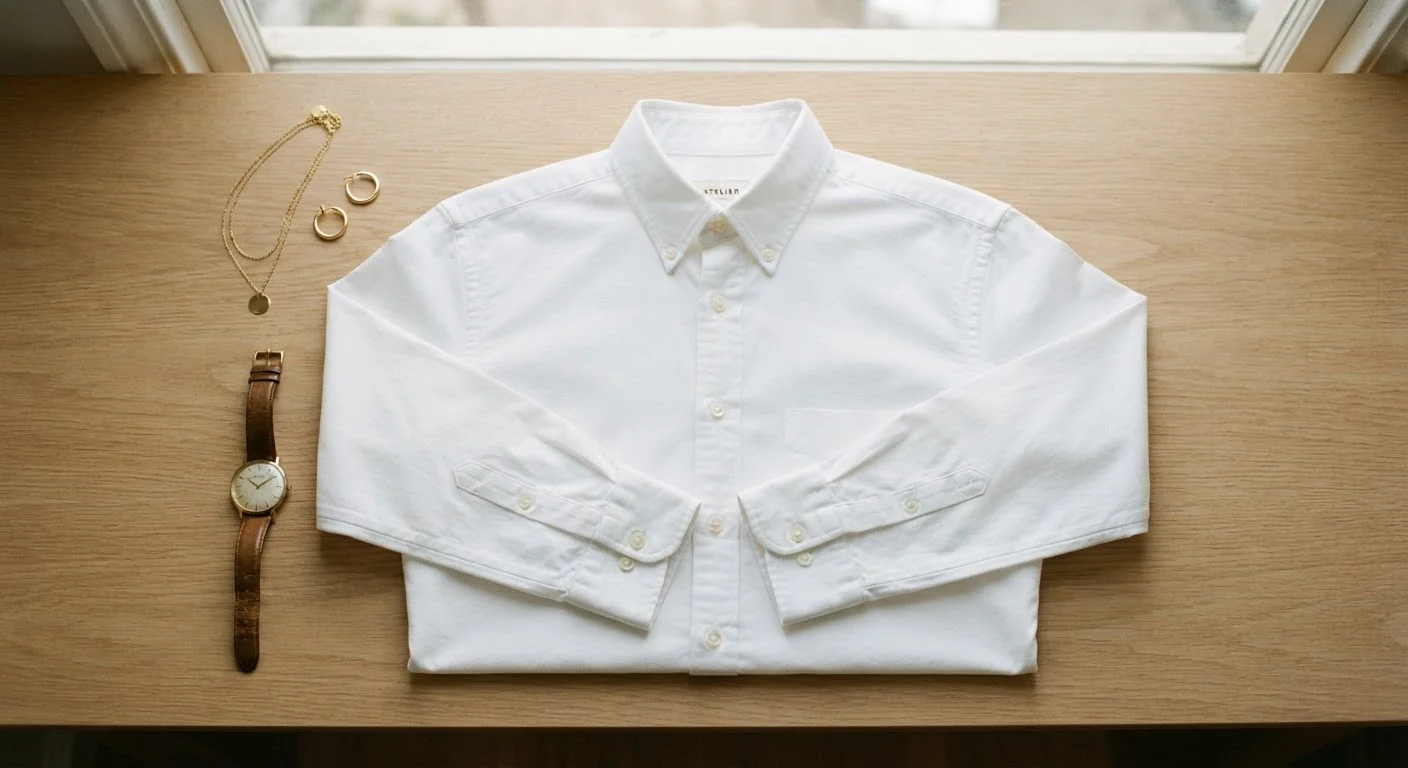
Key Takeaways
- A well-fitted white button-down shirt works across professional, casual, and formal settings.
- Fabric weight and weave determine whether a shirt reads relaxed or polished.
- Proper care - including correct washing and storage - dramatically extends a shirt's lifespan.
- One white button-down can anchor dozens of outfit combinations with the right layering pieces.
- Fit adjustments through a tailor can transform an average shirt into a wardrobe cornerstone.
Why the White Button-Down Earns Its Place
Few garments have survived as many decades, subcultures, and dress-code revolutions as the white button-down shirt. It shows up in boardrooms, on casual Friday floors, at beach weddings, and on weekend coffee runs - often worn by different people at the exact same moment in completely different ways. That adaptability is not accidental.
The shirt's neutral color acts as a visual reset. White reflects light flatteringly, pairs with virtually every other color in a wardrobe, and signals a certain effortless intention without overpowering the rest of an outfit. As part of a core wardrobe foundation, it consistently ranks among the most reach-for pieces people own - precisely because it demands so little while delivering so much versatility.
90%+
Style experts citing white shirts as a wardrobe essential
Across multiple fashion editorial surveys, the white button-down consistently appears on lists of the most universally recommended wardrobe basics.
3-5 years
Typical lifespan with proper care
Garment care guidance from textile and consumer organizations suggests quality woven shirts maintained correctly can remain in active use for several years.
Fit and Fabric: The Two Variables That Matter Most
Not all white button-downs are created equal, and two factors separate a truly useful shirt from one that lingers unworn at the back of a closet: fit and fabric.
Fit
A shirt that fits well across the shoulders and through the chest will look intentional whether it's tucked into trousers or tied at the waist over denim. If off-the-rack options gap at the buttons or swamp the torso, a tailor can make targeted alterations - taking in the side seams and shortening the hem - at a relatively modest cost. If you want to go deeper on how classic pieces translate to different body proportions, adapting staples to your shape is worth exploring.
Fabric
Fabric determines a shirt's personality. A tightly woven poplin reads crisp and professional. Oxford cloth has a casual, slightly textured surface suited to weekends. Linen adds warmth-season ease but wrinkles readily. Chambray sits somewhere in between - structured enough to tuck in, relaxed enough to wear unbuttoned over a t-shirt. Heavier fabrics generally hold their shape better through a long day; lighter weaves breathe better in warm weather.
When trying on a button-down, check the shoulder seam first - it should sit exactly at the edge of your shoulder, not slide down your arm. That single point determines whether the shirt will ever look right, no matter how many other adjustments you make.
The shoulder seam is the one measurement in a shirt that a tailor cannot easily correct without a costly and complex alteration, making it the most important fit checkpoint before purchase.
Own at least two white button-downs in different fabric weights - one crisp poplin for polished settings, one oxford or chambray for casual wear. The investment doubles the number of occasions you can dress for confidently.
Fabric weight and weave signal formality as clearly as cut or color, and having range across both allows the same basic garment to function across a far wider spectrum of contexts.
Styling It Across Different Occasions
The white button-down's real power lies in how dramatically small changes shift its register. Here's a practical breakdown by context:
- Formal and professional settings: Tuck into tailored trousers and pair with structured shoes. Keep all buttons fastened or undo just the top one. A blazer or suit jacket completes the look. Need a refresher on what dress codes actually require? The dress codes decoded guide breaks it down clearly.
- Smart-casual occasions: Tuck into dark jeans or slim chinos, roll the sleeves to just below the elbow, and add a loafer or clean sneaker. This combination satisfies most smart-casual invitations without overthinking.
- Casual and weekend wear: Leave untucked, undo two or three buttons, and layer over a plain t-shirt. Knotting the hem adds shape for those who prefer a less boxy silhouette. Pair with relaxed trousers or shorts.
- Layering piece: Worn beneath a crewneck sweater with the collar and cuffs peeking out, or under overalls or a pinafore dress, the white button-down adds polish without effort.
For a ready-made set of combinations built around versatile pieces like this one, outfit formulas that remove the guesswork offers reliable starting points.
Avoid Over-Ironing Delicate Fabrics
Linen and lightweight cotton blends can scorch or develop sheen if ironed at too high a temperature or pressed in a single spot too long. Always check the fabric content label and use the appropriate heat setting. When in doubt, use a pressing cloth between the iron and the shirt.
Care and Longevity
White fabric shows wear more visibly than most, which means thoughtful care pays direct dividends in how long a shirt looks fresh.
- Washing: Cool or lukewarm water is gentler on fibers than hot, and helps prevent yellowing over time. Turn the shirt inside out to protect buttons and surface texture.
- Stain treatment: Treat stains promptly rather than allowing them to set. For collar and cuff grime - which tends to be oil and skin-based - a small amount of dish soap worked in before washing is a commonly used method.
- Drying: Air drying reduces shrinkage and fiber breakdown compared to high-heat tumble drying. Hang immediately after washing to reduce wrinkles.
- Storage: Hang rather than fold where possible to preserve the shirt's shape and reduce creasing.
A well-maintained white button-down can realistically serve a wardrobe for many years, which puts it firmly in the category of classic pieces worth investing in rather than items to cycle through seasonally.
Refresh a Yellowed Shirt Before Discarding It
White shirts can yellow over time, particularly at the collar and underarms, due to deodorant residue and body oils. Soaking in a diluted white vinegar solution before washing is a widely cited method for restoring brightness. Check care labels first and test on a small area if the fabric is delicate.
Building Around It
The white button-down works best as part of a considered wardrobe rather than an isolated purchase. Think about the pieces already hanging in your closet: tailored trousers, dark denim, a navy blazer, a simple knit sweater, neutral outerwear. The shirt threads through all of them. It also provides a reliable anchor when you're unsure what to wear - a helpful feature of the broader everyday style approach that favors versatile fundamentals over trend-chasing.
If you own one white button-down that fits you well, you have a foundation for dozens of combinations across virtually every setting you'll encounter in daily life. That's the kind of return on wardrobe investment that's hard to argue with.
“The white shirt is the closest thing fashion has to a universal language - it communicates effort without loudness, and clarity without rigidity.”
— Tim Gunn, Fashion consultant and educator, known for advocacy of foundational wardrobe building