

| Dress codes in common use | Roughly 6 tiers (from casual to white tie) |
| Most misunderstood code | Smart casual - frequently confused with business casual |
| Most versatile staple piece | A well-fitted neutral blazer |
| Black tie event start time | Typically 6 p.m. or later |
| Cocktail attire hem length | Generally knee-length to midi |
| When 'casual' doesn't mean anything goes | Restaurant dinners, casual weddings, family gatherings |
Why Dress Codes Still Matter
Dress codes exist to signal mutual respect between guests and hosts - and to help everyone feel appropriately at ease in a shared setting. Yet the terminology has multiplied and shifted enough that even confident dressers sometimes pause at an invitation. Understanding what each code actually asks for removes the guesswork entirely.
This reference guide covers the six most common dress codes you'll encounter at workplaces, weddings, dinner parties, and formal events in the US. For each one, we break down what to wear, which staples carry the most weight, and where the real lines are drawn. For a deeper look at how fabric choices affect formality, see our guide on fabric weight, drape, and texture.
| Dress codes in common use | Roughly 6 tiers (from casual to white tie) |
| Most misunderstood code | Smart casual - frequently confused with business casual |
| Most versatile staple piece | A well-fitted neutral blazer |
| Black tie event start time | Typically 6 p.m. or later |
| Cocktail attire hem length | Generally knee-length to midi |
| When 'casual' doesn't mean anything goes | Restaurant dinners, casual weddings, family gatherings |
The Six Tiers, Defined
Think of dress codes as a ladder. Each rung has clearer expectations than its informal name suggests.
Black Tie
The most formal evening dress code short of white tie. It traditionally calls for a tuxedo or formal dinner jacket for men and a floor-length or formal cocktail gown for women.
Business Casual
A workplace-appropriate style that is more relaxed than a full suit but more polished than everyday casual wear. Think tailored trousers, button-down shirts, blouses, and clean-lined footwear.
Smart Casual
A social dress code sitting between business casual and relaxed everyday wear. It allows well-fitted jeans, neat sneakers, and relaxed blazers while still looking intentionally put-together.
Cocktail Attire
Semi-formal dress appropriate for evening events like weddings, galas, or upscale dinners. Cocktail-length dresses, tailored suits, and dressy separates all qualify.
Casual
The most relaxed dress code, with no strict rules beyond looking clean and appropriate for the setting. Jeans, T-shirts, and casual footwear typically fit here.
Business Formal
The standard for corporate or professional environments that require a polished, conservative look - full suits, ties, structured dresses or skirt suits, and leather shoes.
White Tie is worth noting as the rarest and most formal tier - reserved for state dinners and grand galas. It demands tailcoats for men and full-length ball gowns. Most people encounter it once or twice in a lifetime, if at all.
When in Doubt, Dress Up Slightly
If an invitation's dress code is ambiguous, erring one level more formal than you think is necessary is generally safer than underdressing. You can always remove a jacket or swap accessories to ease back the formality once you arrive and read the room.
For practical outfit formulas that map directly to these codes, the Outfit Formulas guide walks through combinations that actually work without overthinking it.
Which Wardrobe Staples Cover the Most Ground
You don't need a different wardrobe for every occasion. A small set of well-chosen staples - chosen for fit, neutral color, and quality construction - can flex across multiple codes:
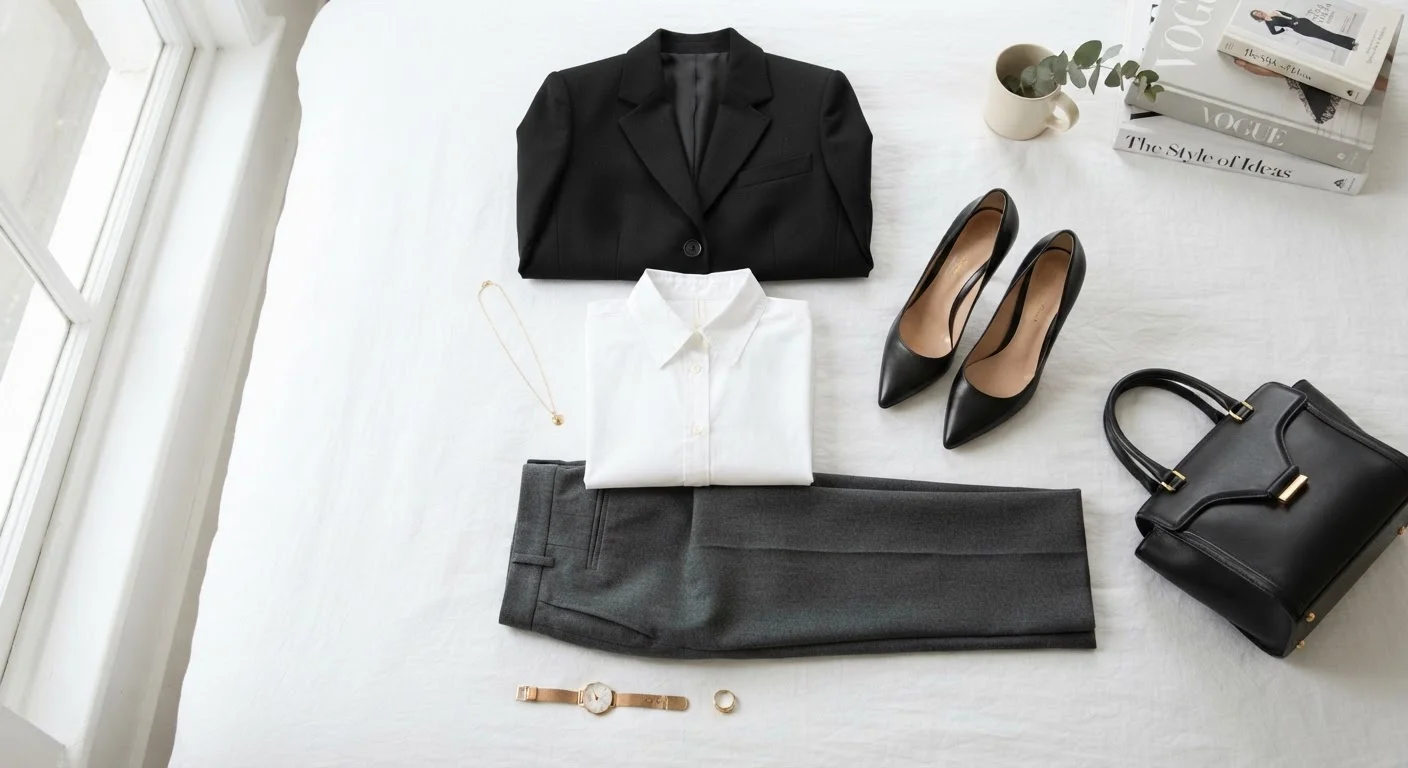
- A tailored blazer in navy, charcoal, or camel - works from smart casual to business formal, and can dress up trousers or dress down with jeans.
- Crisp button-down shirts or blouses - the backbone of business casual and smart casual; layer under a blazer for business formal.
- Dark, straight-leg or slim trousers - more versatile than jeans for most office and semi-formal codes.
- A knee-length or midi dress in a solid or subtle pattern - crosses cocktail attire and smart casual depending on fabric and footwear.
- Leather or leather-look shoes or heels - elevate any look one step above its casual baseline.
The wardrobe staples every adult should own article expands on each of these pieces in detail. For seasonal adaptations of these staples, transitional dressing strategies offer practical guidance on adjusting formality across changing weather.