

Key Takeaways
- The processor handles nearly every function on your phone, from app performance to camera processing.
- Modern phone chips contain multiple specialized cores, each optimized for different types of tasks.
- Processor efficiency directly affects battery life - not just speed.
- Older chips may limit how long a phone receives software updates.
- Understanding SoC basics helps you evaluate phone longevity, not just raw speed.
Smartphone Processor (SoC)
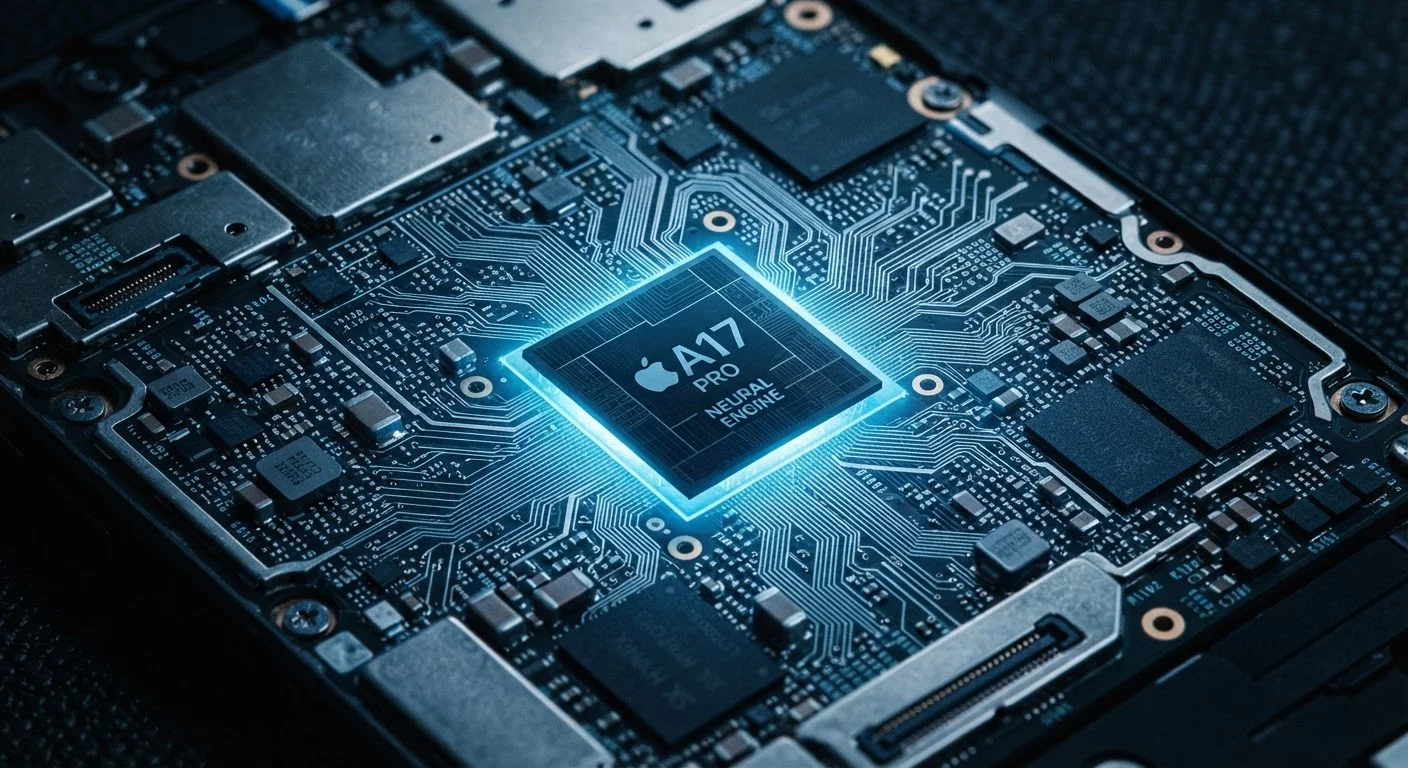
A smartphone processor - formally called a System on a Chip, or SoC - is a small piece of silicon that acts as the brain of your phone. It handles calculations, runs apps, processes photos, and manages wireless connections. Every action you take on your phone, from tapping an icon to streaming a video, flows through this chip.
Unlike a desktop computer, where the CPU, GPU, and modem are separate components, a smartphone SoC integrates all of these - plus specialized cores for AI tasks and image processing - onto a single piece of silicon.
The Chip That Runs Everything
When people evaluate a smartphone, they tend to focus on screen size, camera resolution, or storage capacity. The processor - the chip that actually determines how the phone performs - rarely gets the same attention. That's partly because it's invisible, and partly because the marketing language around it is dense with jargon.
But the SoC shapes your day-to-day experience more than almost any other component. It determines how quickly apps launch, whether video calls stay smooth, how long your battery lasts on a full charge, and even what the camera produces in low light. Understanding what's inside that chip, at a basic level, helps you make sense of why phones behave the way they do.
For a broader reference on the terms you'll encounter when reading phone specs, see the Smartphone Glossary - it covers SoC alongside other common spec-sheet terms.
6-9
Typical CPU core count in modern smartphone chips
Most flagship and mid-range SoCs use a multi-cluster architecture mixing high-performance and efficiency cores.
~4nm
Manufacturing node used in leading smartphone chips
Chips built at smaller process nodes deliver more performance per watt, directly improving efficiency and thermal behavior.
3-5 yrs
Typical software support window for major smartphone platforms
Processor generation compatibility is one factor manufacturers consider when committing to update timelines.
What's Inside a Modern Phone Chip
A smartphone SoC isn't a single processor - it's a collection of specialized components integrated onto one piece of silicon. The main elements include:
- CPU (Central Processing Unit): Handles general computing tasks - running the operating system, executing app logic, managing background processes. Modern phone CPUs contain multiple cores split into clusters: high-performance cores for heavy tasks and efficiency cores for routine work.
- GPU (Graphics Processing Unit): Renders everything visual on your screen, from scrolling a webpage to running a graphically demanding game.
- ISP (Image Signal Processor): Processes the raw data from your camera sensors in real time - applying noise reduction, merging exposures, enabling computational photography features.
- Neural Processing Unit (NPU): A dedicated engine for AI-related tasks, such as recognizing faces to unlock the phone, translating languages on-device, or adapting camera settings automatically.
- Modem: Manages cellular connectivity - 4G LTE, 5G, and in some designs Wi-Fi as well. See how 5G, LTE, and Wi-Fi calling differ for what this means in everyday use.
These components share the same chip but work largely in parallel, each handling its specialized workload.
Efficiency, Heat, and Battery Life
Processor performance isn't just about speed - it's about how much energy a chip consumes to deliver that speed. This is where manufacturing process size matters. Chips are built using transistors measured in nanometers (nm); smaller transistors pack more computing power into less physical space and, critically, generate less heat while doing it.
A chip that runs cooler and more efficiently does two things: it prolongs battery life during intensive tasks, and it avoids the thermal throttling that causes phones to slow down when they get too warm. Heat is also a long-term factor - sustained high temperatures contribute to battery degradation over time. Our article on what speeds up phone battery aging covers how heat fits into that broader picture.
Check the Chip Generation, Not Just the Name
Processor model names can be misleading - a newer-sounding name doesn't always mean a newer chip generation. When evaluating a phone, look up the specific SoC model and the manufacturing process it uses. That combination tells you more about real-world efficiency than marketing names alone.
How the Processor Affects Longevity and Updates
Chip generations are directly tied to how long a phone stays supported with software updates. Operating system updates and security patches require hardware compatibility - an older chip architecture may eventually limit what software can run on the device. This is one reason why understanding the chip inside a phone matters beyond day-one performance.
What changes with phone OS updates explains what's actually delivered in those updates and why keeping software current matters for security and stability.
The processor also has an indirect relationship with repairability and long-term value. A phone built around a chip with a longer support window is, in practical terms, useful for longer. Repairability scores look at a different angle of device longevity, but both perspectives matter when thinking about a phone's overall lifespan.
“The chip is the foundation of everything the phone does. You can change the software, upgrade the camera sensor, or add more RAM - but the processor determines the ceiling on all of it.”
— Jim Keller, Semiconductor architect and chip industry veteran