

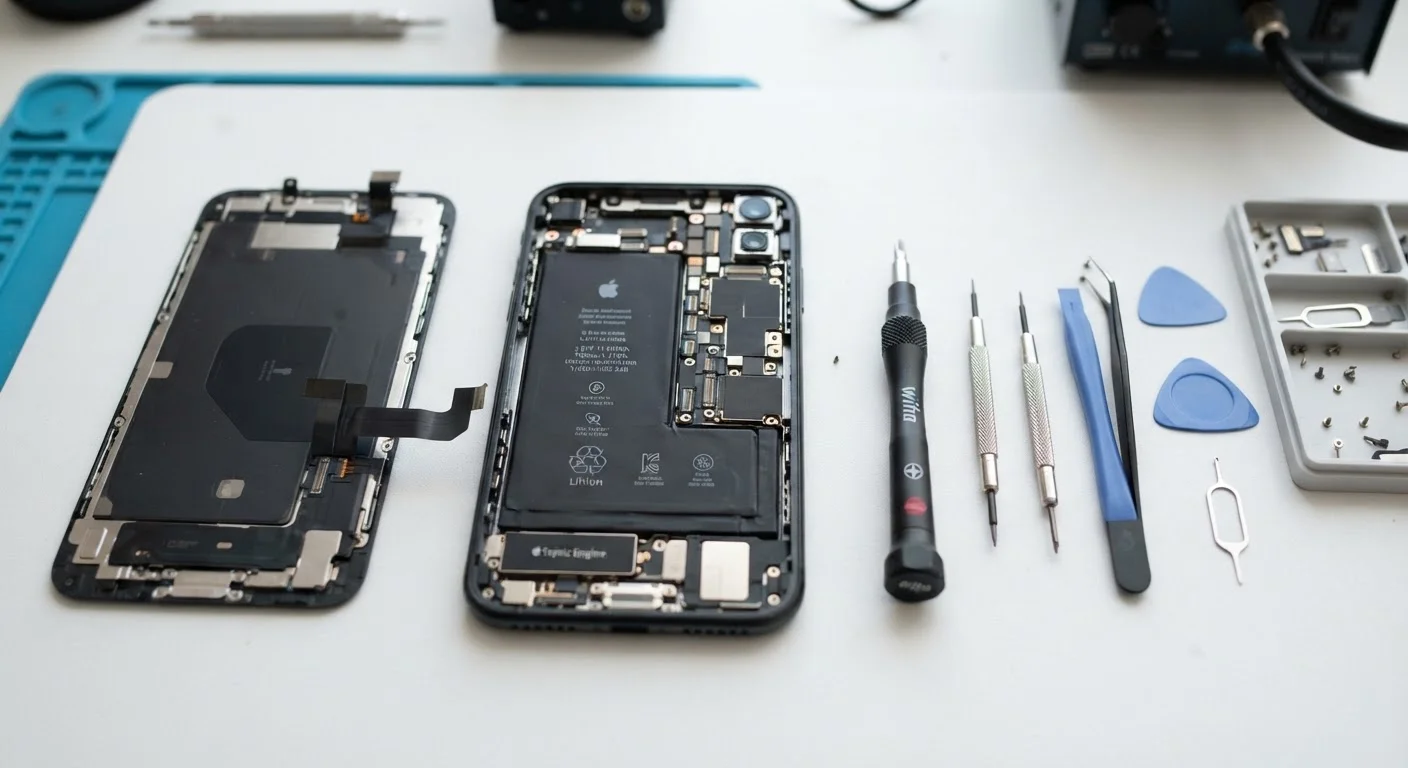
Key Takeaways
- Repairability scores rate how easy it is to open, fix, and source parts for a smartphone.
- Scores are assigned by independent organizations, not phone manufacturers.
- Key factors include battery accessibility, availability of replacement parts, and repair documentation.
- A high repairability score can translate to longer device lifespan and lower long-term repair costs.
- Scores are one useful input but should be weighed alongside software support and build quality.
Smartphone Repairability Score
A repairability score is a rating - usually on a scale of 1 to 10 - that evaluates how easy a smartphone is to disassemble, repair, and maintain. These scores are typically assigned by independent testing organizations that physically open devices and assess them across several measurable criteria. A higher score generally indicates that a phone is easier and cheaper to fix when something goes wrong.
Scores are not standardized across all rating bodies; different organizations weight criteria differently, so a score from one source may not be directly comparable to another's.
What Repairability Scores Actually Measure
Repairability scores break a phone down into several concrete, testable criteria rather than giving a vague impression of quality. While criteria vary slightly by organization, most assessments examine a consistent set of factors:
- Disassembly difficulty: How many steps, specialized tools, or adhesives are required to open the device safely.
- Battery accessibility: Whether the battery can be replaced without risking damage to other components.
- Parts availability: Whether replacement screens, batteries, and connectors are sold separately and at reasonable prices.
- Repair documentation: Whether the manufacturer provides service manuals or repair guides to technicians and consumers.
- Software unlocking: Whether software can be updated or restored without manufacturer restrictions that could brick the device during repair.
Each factor is scored and weighted to produce an overall number. This structured approach means a score reflects real, physical realities about the phone - not marketing language. Understanding these criteria helps you interpret a number meaningfully rather than treating it as an abstract grade.
Scores Reflect a Snapshot in Time
A repairability score is assessed at the moment of a phone's launch based on the hardware design and parts ecosystem available then. Parts availability, manufacturer policies, and third-party repair support can all shift over a device's lifetime. Checking whether an organization has issued an updated assessment for older models can give a more current picture.
Why These Scores Are Gaining Attention
Consumer interest in repairability has grown for two interconnected reasons: cost and environmental impact. The average lifespan of a smartphone in the US is roughly three years, but many devices are discarded well before hardware failure because repairs feel too expensive or inaccessible. A phone that scores well on repairability gives owners a realistic path to extending that lifespan.
On the environmental side, electronics manufacturing is resource-intensive. Extending a phone's life - even by one additional year - reduces the demand for new device production. Some policymakers have taken notice: France began requiring mandatory repairability index scores for consumer electronics in 2021, a model that other regions are evaluating.
~3 years
Average smartphone lifespan in the US
Industry estimates and consumer research consistently place typical US smartphone replacement cycles around three years, though devices often remain functional longer.
2021
Year France mandated repairability index scores
France became the first country to legally require consumer electronics retailers to display repairability index scores at point of sale, covering smartphones among other devices.
50%+
Of repairs involve battery or screen
According to iFixit's repair data and industry repair shop surveys, battery degradation and cracked screens account for the majority of all smartphone repair requests.
Repairability also intersects with the broader right-to-repair debate, which concerns whether consumers and independent shops should have legal access to the parts, tools, and information needed to fix their own devices. Several US states have passed or are considering right-to-repair legislation, making these scores increasingly relevant to everyday purchasing decisions.
How to Use a Repairability Score Wisely
Repairability scores are a useful signal, but they work best alongside other information. A phone with a high repairability score that receives only two years of software updates may still become functionally obsolete sooner than a harder-to-repair device with a longer software update commitment. Consider both dimensions together.
Equally, a repairability score reflects the hardware design at launch. Parts availability and manufacturer support can change over time - a phone that scores well today might become harder to repair in three years if spare parts dry up. Organizations like iFixit sometimes update their assessments as the ecosystem around a device evolves.
Check Parts Availability Before You Buy
A repairability score is most useful when you also verify that replacement parts are actively sold and priced reasonably at the time you're making a decision. Search for the phone model on major parts retailers to confirm screens and batteries are in stock. This takes only a few minutes and validates what the score suggests.
If you're evaluating a used or refurbished phone, repairability scores become even more relevant. A device with accessible parts and clear documentation is easier to assess for existing damage and cheaper to maintain going forward. Pair the score with a physical inspection checklist for the most complete picture.
For a grounding in the broader language of smartphone specs and features, the Smartphone Glossary provides jargon-free definitions that make comparing devices easier across the board.
What Scores Don't Tell You
No single score captures everything. Repairability ratings deliberately focus on physical and logistical factors - they don't assess build quality, drop resistance, or how long a phone will function before needing repair. A device with a low repairability score might rarely need service because its hardware is exceptionally durable; the score only matters if something goes wrong.
Scores also don't account for the geographic reality of repair access. Even a highly repairable phone requires a nearby technician or the confidence to attempt a DIY repair. In areas with limited independent repair shops, a high score may not translate to a practical benefit for every consumer.
Finally, keep in mind that different rating organizations may reach different conclusions about the same device. Because scoring methodologies aren't standardized globally, it's worth checking which criteria a particular score emphasizes before drawing comparisons across brands or generations.