

Key Takeaways
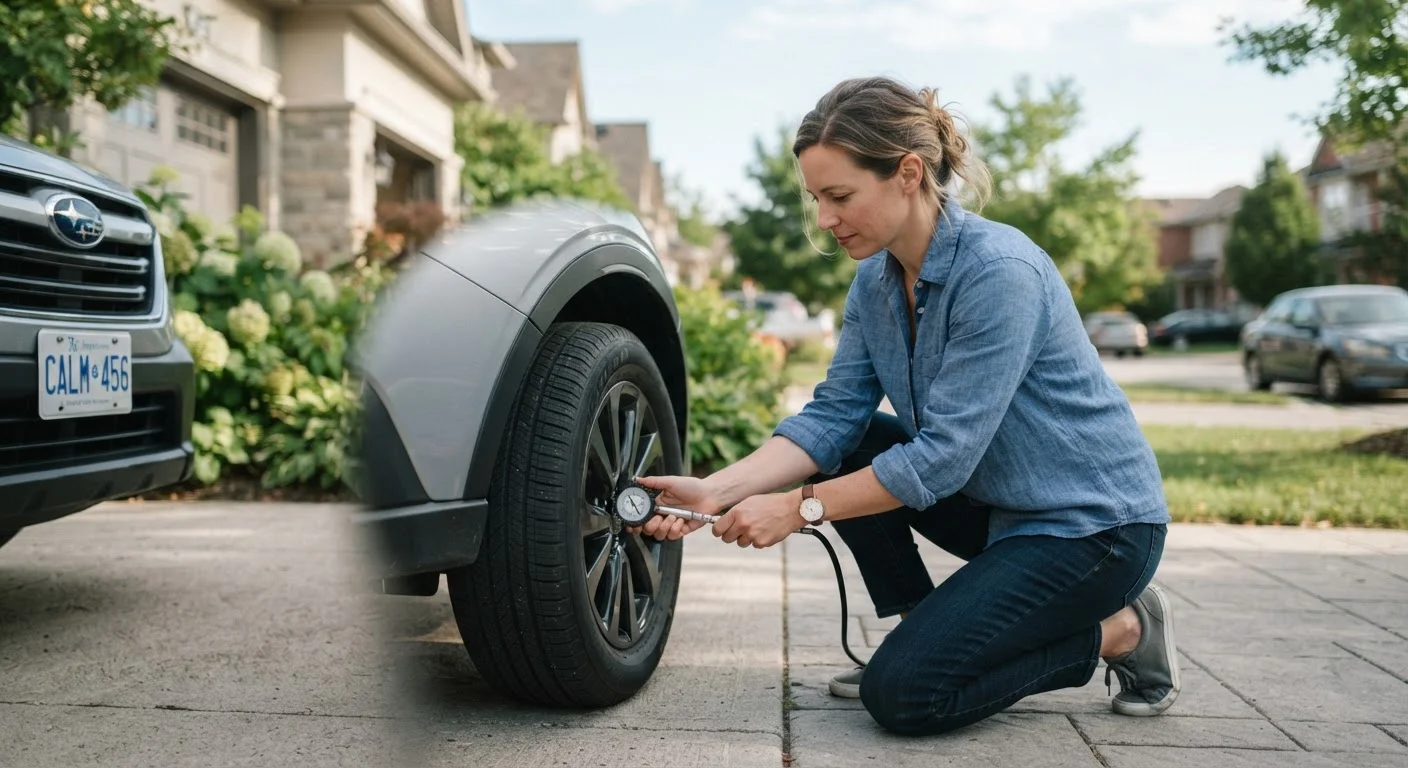
- Checking tire pressure monthly can improve safety and fuel efficiency between professional services.
- Fluid levels - oil, coolant, brake, and washer - are among the easiest owner checks to perform regularly.
- Catching small issues early, like worn wiper blades or dim lights, prevents larger problems from developing.
- Your owner's manual is the most reliable source for your vehicle's specific maintenance intervals and fluid specs.
Why Between-Visit Maintenance Matters
Professional mechanic visits are essential, but they typically happen every few months - and a lot can change in a vehicle between appointments. Tires slowly lose pressure. Engine oil degrades. Wiper blades stiffen and crack. These are not dramatic failures; they're gradual changes that owner-level attention can catch and address before they become safety concerns or expensive repairs.
The good news is that most between-visit checks require no special tools and minimal time. They're about developing a habit of awareness rather than performing complex repairs. For a broader view of how consistent habits protect your investment, see building a maintenance routine that sticks.
Check tire pressure at least once a month and before any long drive.
Tires naturally lose roughly 1 PSI per month, and pressure also drops with falling temperatures. Underinflated tires wear unevenly, reduce fuel efficiency, and can increase stopping distances - all of which have safety implications.
Inspect engine oil level and condition every 1,000 miles or monthly, whichever comes first.
Engine oil lubricates moving parts and prevents metal-on-metal wear. Running low or continuing with degraded oil accelerates engine damage significantly. Most modern vehicles make this check straightforward via a dipstick.
Visually confirm coolant, brake fluid, and windshield washer fluid levels every month.
Coolant prevents the engine from overheating or freezing; brake fluid transmits the hydraulic pressure that stops your car; washer fluid keeps visibility clear. Each has a translucent reservoir under the hood with visible min/max lines for easy checking.
Test all exterior lights - headlights, taillights, brake lights, and turn signals - monthly.
Burned-out bulbs are invisible to the driver but create genuine hazards for other road users and can result in traffic citations. A quick walk-around takes under two minutes.
Examine wiper blades for streaking, skipping, or visible rubber deterioration each season.
Wiper blades degrade from UV exposure and temperature cycling even when rarely used. A blade that streaks or skips can leave large blind zones during rain, significantly reducing safe visibility.
Consult your owner's manual to stay aligned with manufacturer-recommended service intervals.
Service intervals vary substantially by vehicle make, model, and driving conditions. Following the manufacturer's schedule - rather than generic rules of thumb - ensures the right work is done at the right time.
The Checks Every Driver Can Realistically Do
None of the practices below require mechanical expertise. What they do require is a few minutes of consistent attention - ideally on a regular schedule you can tie to something predictable, like the first of each month or every other fill-up.
If your dashboard illuminates with an unfamiliar symbol while you're going through these checks, don't ignore it. Our guide to dashboard warning lights explains what each indicator means and when it demands prompt action.
When to Stop and Call a Professional
Owner-level checks are valuable precisely because they reveal when something is beyond a simple top-off or adjustment. If you notice brake fluid is consistently low, there may be a leak in the system - that warrants a mechanic visit, not just a refill. Similarly, if your engine oil looks milky or smells of fuel, those are signs of an internal issue requiring professional diagnosis.
Know Your Vehicle's Specific Specs
Generic maintenance advice is a useful starting point, but your owner's manual contains the specifications that actually apply to your car - correct fluid types, recommended tire pressure, and service intervals. Using the wrong fluid type or pressure can cause harm rather than prevent it. When in doubt, verify against the manual or consult a qualified mechanic.
Unusual noises are another prompt to seek professional help. Brake squealing in particular can indicate worn pads, and continuing to drive without addressing it carries real safety risk. Equally, battery decline often shows subtle signals before full failure.
Understanding what's genuinely owner-friendly versus what should stay in a shop is worth thinking through - our article on DIY car maintenance vs. taking it to a shop lays out the practical distinction clearly.