

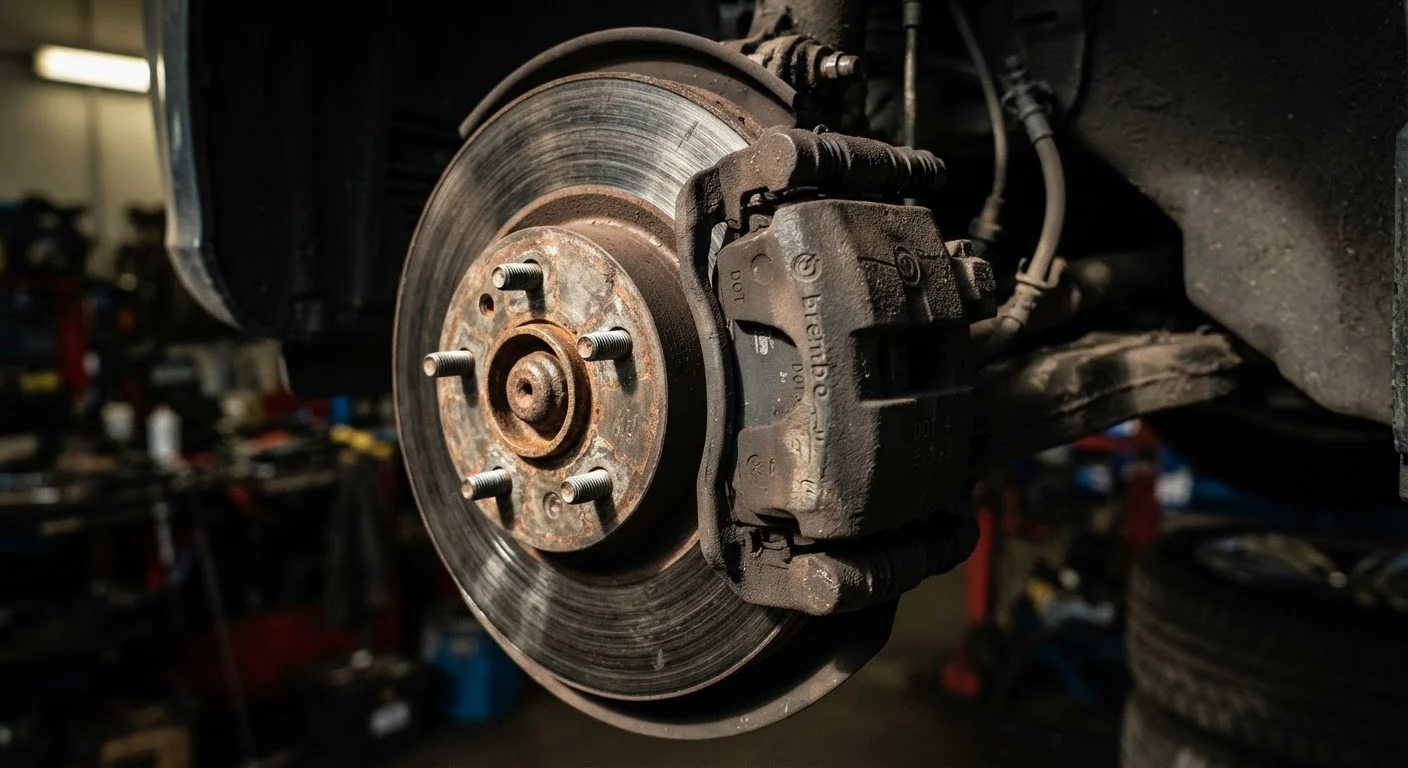
Key Takeaways
- Squealing brakes don't always mean danger, but they should never be ignored for long.
- Worn brake pads are the most common cause of persistent brake squealing.
- Grinding sounds indicate metal-on-metal contact - a situation requiring immediate attention.
- Delaying brake inspection can turn a minor repair into a significantly more expensive one.
- A qualified mechanic should assess any brake noise that persists beyond a day or two.
What Brake Noise Is Actually Communicating
Your brakes are one of the few vehicle systems with a built-in audible warning system. When something changes - pad wear, rotor condition, moisture, or debris - you'll often hear it before any dashboard light appears. Understanding what different sounds mean is the first step toward responding appropriately.
Surface rust is a common and largely harmless cause of brief squealing. When a car sits overnight, especially in humid conditions, a thin layer of rust can form on the rotors. This typically produces a short squeal or scrape during the first few brake applications and then disappears. If the noise clears up within a minute of driving, it's usually nothing to worry about.
Persistent squealing throughout your drive is a different story. Most modern brake pads include a small metal wear indicator tab that contacts the rotor when pad material wears thin - producing a deliberate, high-pitched squeal designed to get your attention. This is your vehicle signaling that a brake inspection is overdue. See what other vehicle warning signals mean if you're also noticing dashboard activity alongside the noise.
Don't Assume the Noise Will Go Away
Some drivers wait weeks or months hoping a brake squeal will resolve on its own. While morning squealing from light surface rust often does clear up after a few stops, a noise that persists throughout your driving session is a warning you shouldn't dismiss. Brake systems are safety-critical components - when in doubt, have them checked promptly by a professional.
Common Mistakes Drivers Make With Brake Noise
Brake squealing prompts a predictable range of responses - from immediate panic to complete dismissal. Both extremes can lead to poor decisions. The mistakes below represent the most common missteps drivers make when dealing with brake noise, and how to handle each situation more effectively.
Assuming all brake squealing is normal and requires no attention.
Why it happens: Many drivers have heard that new brake pads can squeal briefly, so they apply that logic broadly and dismiss sounds that actually warrant inspection.
Ignoring the brake wear indicator, which is specifically designed to squeal as a warning.
Why it happens: Most drivers aren't aware that modern brake pads contain a small metal tab called a wear indicator, engineered to contact the rotor and produce a high-pitched squeal when pads wear down to a minimum safe thickness.
Delaying a brake inspection after noticing unusual noise.
Why it happens: Repair costs and scheduling friction lead many drivers to put off service, hoping the problem is minor or temporary.
Confusing different brake sounds - squeal, grind, and clunk - and treating them as the same problem.
Why it happens: Without a frame of reference, drivers often group all brake noise together, which can lead to under-reacting to a grind or over-reacting to a harmless squeak.
Skipping brake checks when other maintenance items are serviced.
Why it happens: Brake inspections aren't always top of mind during an oil change, and not every service visit includes them unless the driver requests it.
Grinding Brakes Demand Immediate Action
If your brakes are grinding rather than squealing, stop driving the vehicle for extended trips and have it inspected by a qualified mechanic as soon as possible. Metal-on-metal contact can damage your rotors rapidly, turning a pad replacement into a far more expensive rotor replacement - or worse, compromising your ability to stop safely.
Keeping an ear tuned to your vehicle's behavior is part of responsible ownership. The habits that protect your car between professional services extend naturally to brake awareness - you don't need to be a mechanic to notice when something sounds different.
~20%
Of vehicle crashes attributed to brake-related issues
According to NHTSA crash causation data, brake system problems are among the most commonly cited vehicle-related factors in traffic crashes.
2-3mm
Minimum safe brake pad thickness before replacement
Most automotive industry guidelines recommend inspecting or replacing brake pads when friction material reaches approximately 2-3mm, though manufacturer specs vary.