

Key Takeaways
- Reading and following care labels is the single most impactful garment-care habit you can build.
- Washing clothes less frequently and in cooler water preserves fabric color, shape, and fiber integrity.
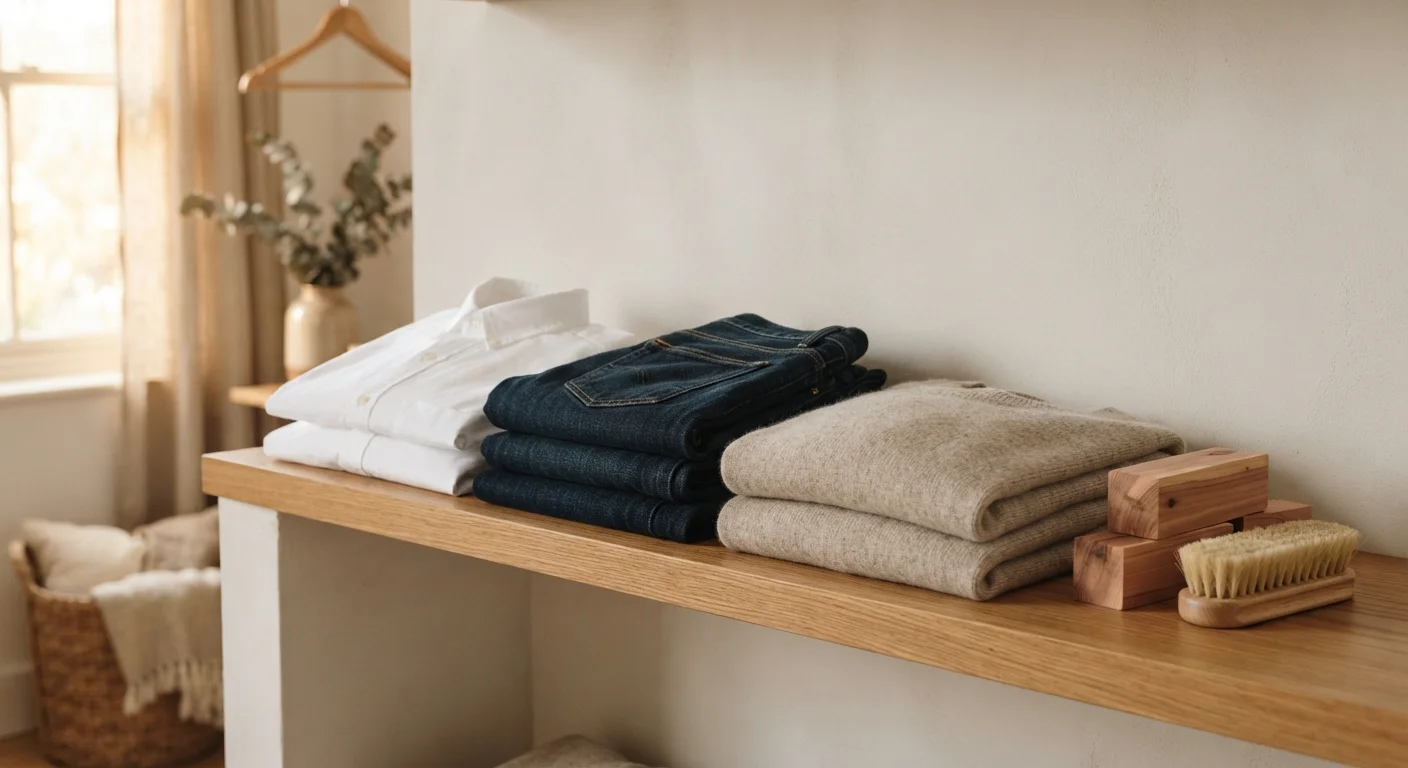
- Proper storage - hanging, folding, or using cedar - prevents stretching, moths, and permanent creasing.
- Addressing small repairs like loose buttons immediately prevents minor issues from becoming costly replacements.
- Rotating your essentials evenly reduces wear on any single item and extends the overall wardrobe lifespan.
Why Garment Care Is Worth Your Attention
Most wardrobe essentials - a well-fitted white shirt, a structured blazer, dark-wash jeans - represent a meaningful investment of both money and thoughtfulness. Yet many of us shorten their lifespan considerably through routine carelessness: washing too hot, hanging knits until they droop, or ignoring a fraying seam until it splits. The good news is that the habits that make clothes last are neither complicated nor time-consuming.
If you've already done the work of building out your wardrobe staples, protecting that investment through proper care is the logical next step. Think of it as the maintenance side of style - less glamorous than shopping, but far more rewarding over time.
Washing: Less Is Often More
Over-washing is one of the most common ways clothing deteriorates prematurely. Heat, agitation, and detergent all stress fibers - and many garments can be refreshed without a full wash cycle. Airing out a blazer or lightly steaming a button-down between wears is often sufficient.
The Sniff Test Is a Legitimate Tool
Not everything that's been worn needs an immediate wash. Structured jackets, wool trousers, and many knitwear pieces can be aired out between wears rather than laundered after each use. Hang the item near an open window for a few hours - it's gentle on fibers and effective for light odors.
When you do wash, cold water is your default ally. It's gentler on dyes and natural fibers like cotton and wool, reducing fading and shrinkage. For delicates - silk, cashmere, fine merino - hand washing or a machine's delicate cycle with a mild detergent is typically safer than a standard wash. Always turn dark garments inside out to slow color loss.
~40%
Clothing lifespan reduction from improper washing
Textile researchers have noted that repeated high-heat washing can reduce a garment's functional lifespan by up to 40% compared with cold, gentle washing cycles.
9 months
Extra wear from basic garment care habits
The WRAP (Waste & Resources Action Programme) organization has highlighted that extending the active life of clothing by just nine months meaningfully reduces environmental and financial impact.
Storage That Actually Protects Your Clothes
How you store clothing between wears matters as much as how you wash it. A few principles go a long way:
- Hang structured pieces - blazers, trousers, woven shirts - on wide, rounded hangers to maintain their shape. Wire hangers create shoulder dimples and distort drape over time.
- Fold knits rather than hanging them. Gravity pulls heavy knitwear out of shape when hung for extended periods.
- Use cedar blocks or sachets in drawers and wardrobes to deter moths naturally, especially around wool and cashmere.
- Give clothes breathing room. A tightly packed closet traps humidity, invites mildew, and causes permanent creasing.
Seasonal pieces benefit from breathable garment bags - not plastic dry-cleaning bags, which trap moisture. If you're unsure which items to rotate in and out each season, a wardrobe audit is a practical starting point.
Small Repairs, Big Payoff
A loose button, a small snag, or a fraying hem might seem trivial - but ignored, each one leads to a garment that's wearable only in ideal conditions or, eventually, not at all. Developing a habit of addressing minor repairs promptly keeps essentials in rotation longer.
When to Call a Professional Tailor
Some repairs go beyond a basic sewing kit - reweaving damaged wool, replacing trouser zippers, or re-lining a jacket are jobs best left to skilled alterations professionals. The cost is typically modest compared to replacing a quality garment, and most alterations shops can also advise on whether a piece is worth repairing.
You don't need to be an experienced sewist to handle basics. A small sewing kit, a seam ripper, and fabric glue cover the majority of common fixes. For more involved repairs - reweaving a hole in a fine wool sweater, replacing a broken zipper on tailored trousers - a local tailor or alterations shop is a worthwhile and often surprisingly affordable resource. This is especially true for pieces you've had altered to fit your proportions, which already represent extra investment.
Building Care Into Your Routine
The most effective garment care is the kind that becomes automatic - a few decisions made consistently rather than a big occasional effort. Rotate what you wear so no single item absorbs all the stress. Check care labels before trying any new cleaning method. Let clothes fully dry before folding or hanging to prevent mildew. Brush suede shoes and wool coats regularly to lift surface dirt before it sets.
These habits also connect directly to cost. Research consistently suggests that how we care for clothing is a significant driver of replacement frequency - and ignoring care is one of the wardrobe decisions that quietly drains budgets over time. If you're starting fresh and want care-friendly basics from the ground up, our guide to building a wardrobe from scratch walks through practical first steps.
“The most sustainable garment is the one you already own - caring for it properly is the single most effective thing you can do for both your wardrobe and your wallet.”
— Orsola de Castro, Co-founder of Fashion Revolution, sustainable fashion advocate