

Key Takeaways
- Buying ultra-cheap basics repeatedly often costs more than investing in durable versions once.
- Ignoring care labels accelerates fabric breakdown, shrinkage, and color fading in garments.
- Skipping alterations means wearing ill-fitting clothes that look less polished and wear out faster.
- Trend-chasing without a staple foundation leads to a full closet with nothing to wear.
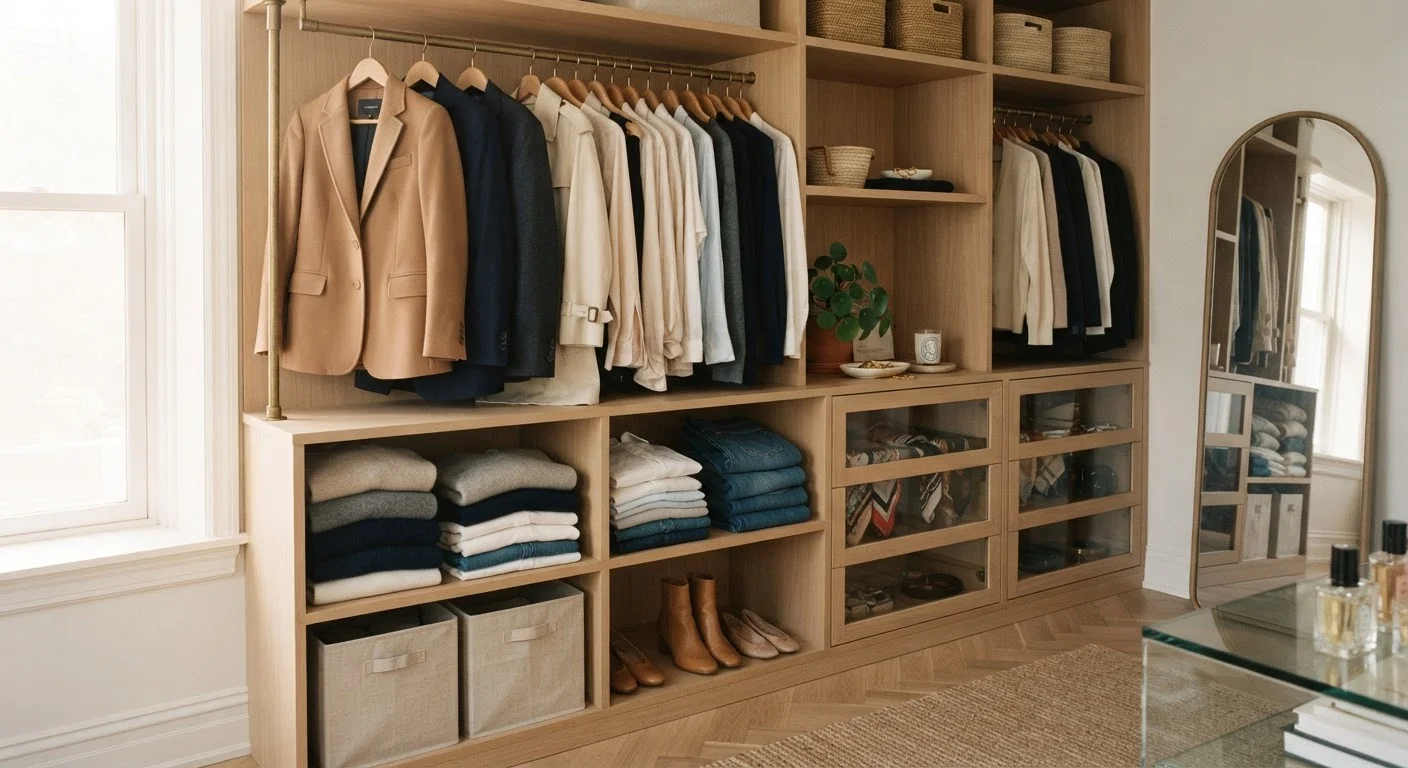
- Proper storage and garment care can significantly extend the usable life of clothing.
Why Small Wardrobe Decisions Add Up to Big Expenses
Clothing costs rarely feel like a budget problem - individual purchases seem small, replacements feel occasional, and the connection between a laundry habit and a drained wallet is easy to miss. But the spending categories Americans most commonly underestimate consistently include apparel, and wardrobe decisions are a key reason why.
The real culprits aren't splurges. They're the quiet, repeated choices: buying the cheapest option again and again, washing everything the same way, keeping clothes that don't actually work. These habits compound. Understanding where the losses happen is the first step toward a wardrobe that actually holds its value - and serves you longer.
Cost-Per-Wear Is the Real Metric
A garment's true cost isn't its price tag - it's price divided by number of wears. A $25 shirt worn twice before it pills or fades costs far more per wear than a $70 shirt worn 80 times. Thinking in cost-per-wear reframes nearly every wardrobe decision you make.
The Mistakes Draining Your Wardrobe Budget
The following patterns show up across all budgets and style sensibilities. None of them feel like obvious mistakes in the moment - which is exactly why they're so costly over time.
Buying the cheapest version of every basic item without considering durability.
Why it happens: Bargain pricing is immediately visible; fabric quality and construction flaws only reveal themselves after a few washes or weeks of wear.
Ignoring care labels and washing everything on the same cycle at the same temperature.
Why it happens: Laundry routines are automatic, and reading labels for every garment feels tedious. Most people default to one setting and hope for the best.
Skipping alterations on clothes that almost fit, assuming you'll "make it work."
Why it happens: Tailoring feels like an added expense on something you've already paid for, and many people underestimate how much fit affects the way a garment looks and wears.
Building a wardrobe around trends instead of versatile, classic staples.
Why it happens: Trend-driven pieces are prominently featured in stores and online feeds, making them feel essential in the moment - until the moment passes.
Storing clothes improperly - piling knitwear on hangers, cramming items together, skipping seasonal storage.
Why it happens: Storage habits often go unexamined; people hang everything or fold everything without thinking about what each fabric actually needs.
Keeping items that no longer fit, flatter, or suit your life - and using them as justification to avoid buying what you actually need.
Why it happens: Sunk-cost thinking is powerful: getting rid of something you paid for feels wasteful, even if it's clogging your closet and going unworn.
If you're starting from scratch or reassessing what you own, building a wardrobe from scratch offers a practical roadmap for assembling pieces that will actually earn their keep. And for a deeper look at the quality-vs-quantity trade-off, investing in fewer, better pieces lays out the real advantages and honest drawbacks.
Building Habits That Protect What You Already Own
Most wardrobe longevity comes down to repeatable habits rather than one-time decisions. Sorting laundry correctly, folding knits instead of hanging them, and scheduling a seasonal closet review take minimal time but deliver significant returns on what you've already spent.
~$1,700
Average annual US household spending on apparel
According to the U.S. Bureau of Labor Statistics Consumer Expenditure Survey, American households spend roughly this amount on clothing and related services each year.
~50%
Clothes worn fewer than a handful of times
Research from various textile and sustainability organizations suggests that a large portion of garments in the average closet are rarely or never worn after purchase.
When you do feel the urge to refresh your closet, overhauling your closet without starting over walks through a method for editing and reorganizing what you already have - so the pieces that genuinely work for you rise to the top. Small, consistent adjustments to how you buy, care for, and store clothing make a meaningful difference in both your wardrobe's usefulness and your overall budgeting picture.