

Key Takeaways
- Stan communities are powerful cultural forces that drive streaming numbers, chart positions, and viral trends.
- Fan devotion exists on a spectrum from harmless enthusiasm to genuinely harmful harassment.
- Stan culture has given marginalized groups meaningful communities and platforms for creative expression.
- The line between passion and toxicity often hinges on whether fans target other people with coordinated harm.
- Celebrities themselves have publicly pushed back on fan behavior that crosses ethical lines.
Stan Culture
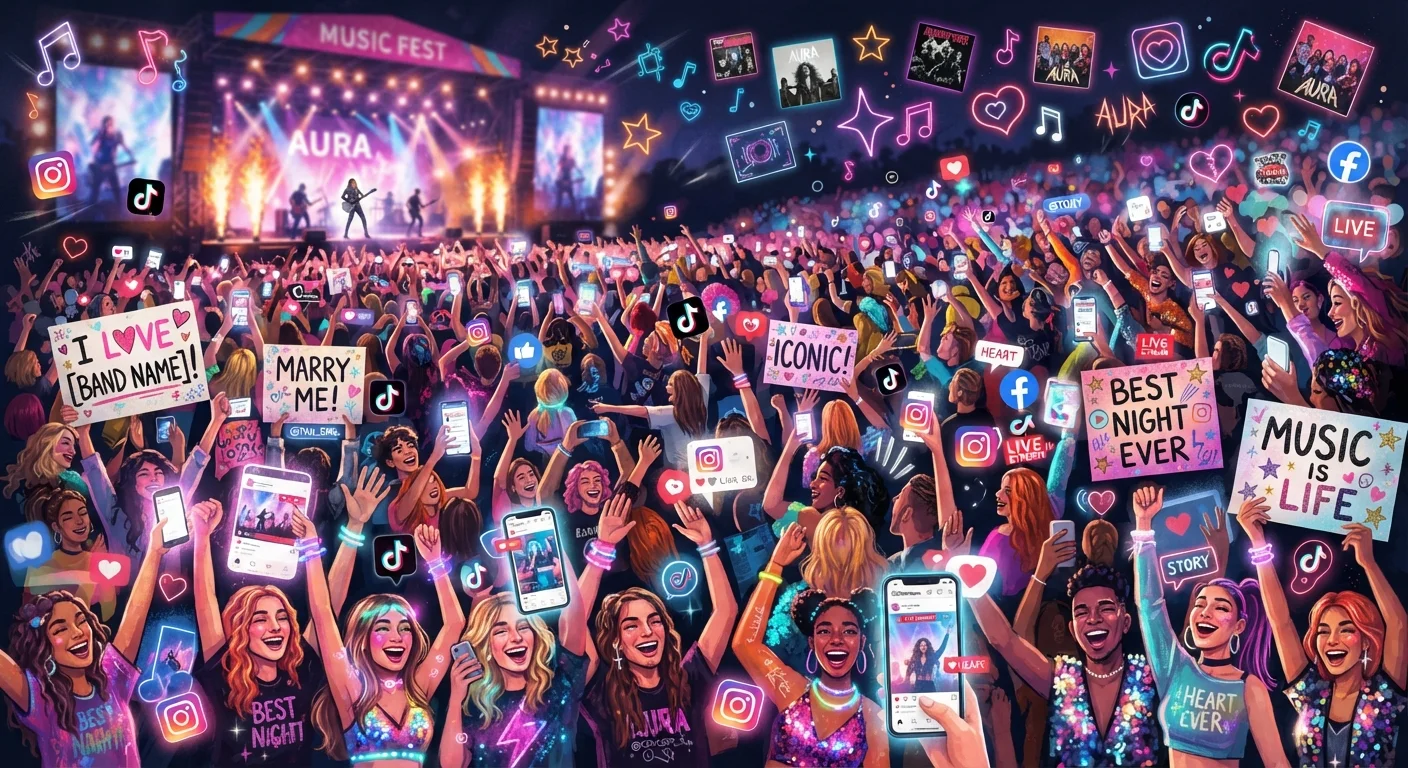
"Stan" refers to an intensely devoted fan - someone who doesn't just enjoy an artist or public figure but actively champions them online and in real life. Stan culture describes the collective behavior of these devoted communities: streaming campaigns, fan wikis, coordinated social media trends, and passionate defense of their favorite celebrities. The word itself originates from Eminem's 2000 song "Stan," which depicted an obsessive fan, though today it's used far more broadly and often affectionately.
Researchers sometimes distinguish between "participatory fandom" (fans who create content and engage with each other) and "parasocial fandom" (fans whose devotion centers on a one-sided emotional connection with the celebrity).
What Stans Actually Do - and Why It Matters
It's easy to dismiss stan culture as fringe behavior - a handful of superfans yelling into the internet void. But the numbers tell a different story. Organized fan communities have streamed songs millions of times in a single weekend, crashed ticketing platforms, and turned relatively unknown acts into household names through sheer coordinated will.
Stan communities operate with impressive organizational sophistication. They build detailed fan wikis, maintain round-the-clock social media presences, translate content for global audiences, and deploy spreadsheets to track streaming goals. When a new album drops, a well-mobilized fandom can push it to the top of every major chart within hours - not because of radio play or label spending, but because thousands of people decided to act together.
This matters because it has genuinely shifted industry power. Record labels now factor in fandom size and engagement when signing artists. Streaming platforms adjust algorithmic features partly in response to how stans have learned to game them. In a real sense, fans now help determine who gets famous and who stays famous.
Millions
Streams generated by single fan campaigns
Coordinated fan streaming events have been documented pushing songs to achieve millions of streams within 24 hours, significantly influencing chart positions on major platforms.
1 in 3
Young adults who identify with a fandom
Multiple surveys of younger US internet users have found that roughly one in three identify as part of an active online fan community for an artist, show, or franchise.
2000
Year the word 'stan' entered pop culture
Eminem's song "Stan" introduced the concept to mainstream audiences, and the word was added to major English dictionaries as a verb and noun decades later.
The Positive Side of Stan Culture
Before diving into the complications, it's worth being clear: for millions of people, fandom is a deeply enriching experience. Fan communities have long served as places where people - often young people, often from marginalized groups - find belonging, creative outlets, and genuine friendship.
Fan fiction, fan art, fan-run podcasts, and fan edits represent enormous creative output that exists entirely outside the commercial music or film industry. These communities nurture writers, graphic designers, and musicians who go on to professional careers. They also create spaces where people who feel like outsiders in their everyday lives discover others who share their passions.
There's also a genuine critical function stans play. When a fan community rallies to defend an artist against unfair criticism or a smear campaign, that's participatory media criticism in action. Stans have fact-checked tabloid stories, surfaced important context, and held media outlets accountable in ways that traditional journalism sometimes missed.
“Fandom is not just consumption - it's production. Fans are some of the most creative, analytical, and engaged audiences any cultural form has ever produced.”
— Henry Jenkins, Media scholar and author of 'Textual Poachers: Television Fans and Participatory Culture'
When Passion Becomes Pressure - The Toxic Side
The same intensity that makes fandom powerful can curdle into something genuinely harmful. Coordinated harassment campaigns - sometimes called "stanning gone wrong" - have targeted journalists, other celebrities, rival fan bases, and even the celebrities' own family members. The pattern is recognizable: a perceived slight goes viral within a fandom, the community mobilizes, and a wave of abuse descends on whoever is deemed the threat.
This behavior has real consequences. Journalists who publish critical reviews have received thousands of threatening messages in a matter of hours. Rival fans have had personal information exposed - a practice known as "doxxing." In extreme cases, harassment campaigns have forced people off platforms entirely.
The psychology behind this isn't unique to fandoms - it's the basic logic of in-group loyalty taken to an extreme. When fans develop a sense that their own identity is wrapped up in a celebrity's success, criticism of that celebrity can feel like a personal attack. The result is a defensive aggression that can rationalize behavior the same person might never engage in outside the fan space.
Understanding how this connects to deeper emotional bonds is important - the concept of parasocial relationships helps explain why fans can feel so personally invested in someone they've never met. For a broader lens on how these dynamics play into public discourse, our piece on cancel culture vs. accountability culture is worth a read.
Spot the Warning Signs in Your Own Fandom
If you notice a fan space routinely celebrating harassment, pressuring members to attack critics, or treating any outside perspective as an enemy, those are signals worth taking seriously. Healthy fan communities make room for nuanced conversation about the artists they love. Stepping back from spaces that don't can protect both your well-being and your enjoyment of the music, film, or show you actually care about.
Where the Line Actually Falls
Distinguishing passion from toxicity isn't always a clean exercise, but a few markers are fairly reliable. Passionate fandom supports a celebrity - it buys albums, shows up to concerts, creates content, and engages enthusiastically. Toxic fandom attacks others - it harasses, doxxes, silences, and weaponizes community scale against individuals.
It's also worth noting that celebrities themselves often draw this line. Multiple high-profile artists have explicitly asked their fan bases to stop targeting critics or rival fans. As our article on fan projections artists have corrected explores, stans sometimes construct an image of their favorite that the artist themselves would reject - including the idea that the celebrity would want or approve of harassment carried out in their name.
Fan communities intersect with broader cultural conversations too. The way stans interpret celebrity behavior often reflects wider social tensions - something our piece on reading pop culture as social commentary unpacks in detail. And if you want practical guidance on staying engaged without getting consumed, following pop culture without the drama is a solid starting point.