
Misreading Your Favorite Artist: Projections Fans Make That Artists Have Pushed Back On

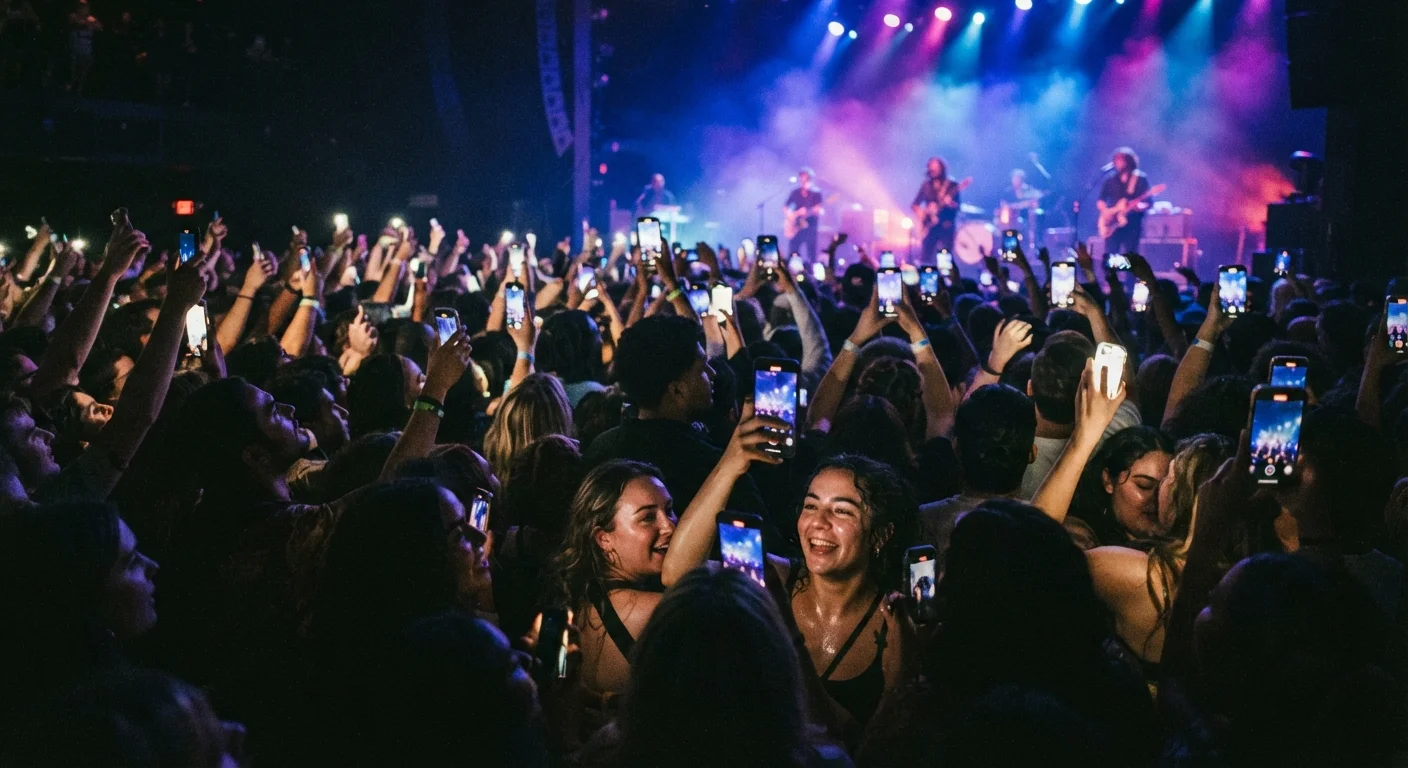
Key Takeaways
- Artists frequently push back on fan-assigned identities, politics, and personal narratives that don't reflect their reality.
- Parasocial relationships can blur the line between genuine connection and one-sided projection.
- Lyrics are artistic expressions, not autobiographical confessions - unless the artist explicitly says so.
- Assuming an artist's silence on an issue implies endorsement or agreement is a common and consequential mistake.
- Respecting an artist's self-definition is a core part of being an engaged, thoughtful fan.
Why Fans Project - And Why It Matters
Loving an artist's work is one of the most natural things in the world. Music, in particular, has an almost supernatural ability to make listeners feel seen - like a song was written specifically for their 2 a.m. heartbreak or their most triumphant moment. But that intimacy carries a risk: fans sometimes confuse feeling understood by an artist with actually understanding the artist.
The gap between the two is where projection lives. And increasingly, artists themselves are speaking up to correct the record - sometimes gently, sometimes forcefully. Understanding where these misreadings come from isn't about shaming fans. It's about deepening the relationship between audience and artist in a more honest, respectful direction.
Consider how this dynamic connects to larger questions about celebrity culture - including how public figures navigate expectations, as explored in our look at celebrity apologies and public reactions.
Treating lyrics as a literal diary of the artist's personal life.
Why it happens: Music feels so personal and emotionally resonant that fans naturally assume the songwriter must be drawing directly from lived experience.
Assigning a political stance to an artist based on their music, aesthetic, or perceived identity.
Why it happens: Fans often want artists they love to validate their own worldview, and they read genre, style, or cultural background as proxies for political belief.
Believing a carefully crafted public persona is the artist's complete, authentic self.
Why it happens: Parasocial relationships built through social media, interviews, and fan content create an illusion of intimacy that feels like genuine knowledge of a person.
Interpreting an artist's silence on a social issue as implicit agreement or complicity.
Why it happens: In an era of constant public discourse, silence is often read as a statement. Fans apply that logic to artists and expect them to perform activism on a fan-approved schedule.
Claiming ownership over an artist's creative evolution or direction.
Why it happens: Long-term fans often feel their early loyalty entitles them to have a say in how an artist grows, particularly when a genre shift or image change doesn't match expectations.
Assuming collaborations reflect deep personal alignment between artists.
Why it happens: When two beloved artists work together, fans often project a friendship, shared values, or mutual admiration that may not exist beyond professional respect.
How to Be a More Self-Aware Fan
None of this means fans should detach or become passive consumers. Passionate, invested fandom is genuinely beautiful - it drives artists' careers, creates communities, and keeps culture alive. The goal is engagement that leaves room for the artist to be a full, complex human being rather than a mirror for fan needs.
72%
Fans reporting parasocial relationship feelings
A 2023 Luminate music industry report found roughly 72% of "superfans" describe feeling a genuine personal connection to artists they've never met.
1 in 3
Artists who've addressed fan misreadings publicly
Industry observers and music journalists have noted a growing trend of artists using interviews and social media to correct persistent fan narratives about their identity or beliefs.
A useful habit: when you find yourself making a strong assumption about what an artist believes, feels, or intends, ask where that assumption actually came from. Is it something the artist said explicitly? Or is it an inference layered over a lyric, an aesthetic, or an image? There's a meaningful difference between the two.
It's also worth remembering that live performances - whether in person or via stream - are crafted experiences, not unfiltered windows into an artist's soul. Our piece on what concerts and livestreams actually deliver for fans explores how format shapes the experience on both sides of the stage.
Artists are, ultimately, collaborators with their audiences - but collaborators who retain authorship over their own stories. Honoring that distinction is what separates fandom that uplifts from fandom that inadvertently confines.
When Fan Communities Reinforce False Narratives
Fan communities can be wonderfully supportive spaces, but they can also become echo chambers where misreadings get amplified and treated as established fact. If a narrative about an artist feels universally accepted within a fan community, that's precisely the moment to check it against what the artist has actually said. Collective belief does not make a projection true.