

Key Takeaways
- Vehicles over 100,000 miles often need more frequent fluid changes and seal inspections.
- Rubber components like belts, hoses, and gaskets degrade over time regardless of mileage alone.
- High-mileage engine oils contain additives designed to condition aging seals and reduce oil consumption.
- Preventive maintenance becomes more cost-effective than reactive repairs at higher mileages.
- Your owner's manual remains the authoritative guide, but a trusted mechanic can help customize the schedule.
High-Mileage Vehicle
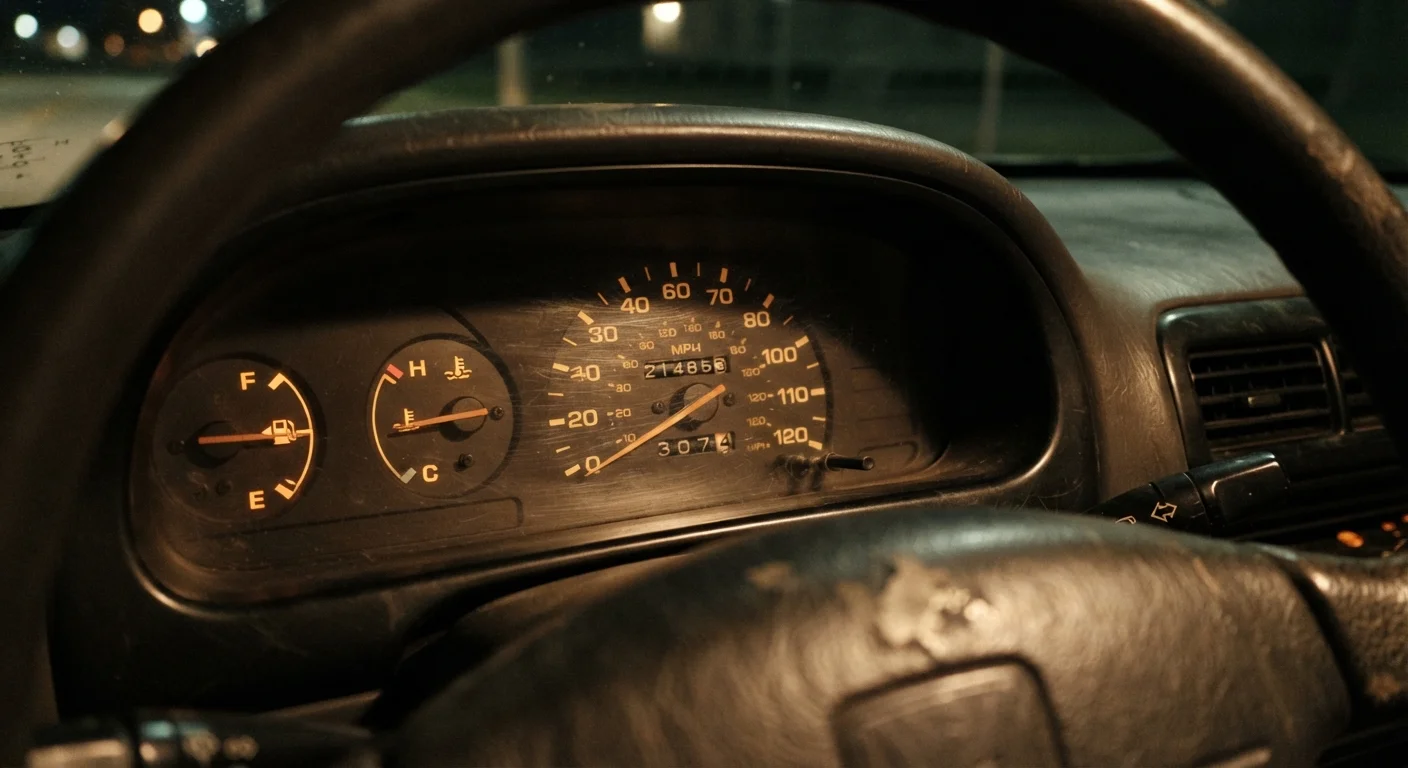
A high-mileage vehicle is generally one with 100,000 or more miles on the odometer. At this point, many original components have experienced significant wear, and certain maintenance tasks become more frequent or more critical than they were in the vehicle's early years. Keeping a high-mileage car reliable requires a more attentive approach than the standard factory schedule.
Some automakers and oil manufacturers define "high mileage" at 75,000 miles for product formulation purposes, though 100,000 miles is the widely accepted threshold in general automotive guidance.
Why Mileage Changes the Maintenance Equation
A car with 15,000 miles and one with 115,000 miles on the odometer might look similar from the outside, but mechanically they live in very different places. Wear is cumulative - every mile adds minor stress to seals, bearings, belts, and fluids. By the time a vehicle crosses the 100,000-mile mark, those accumulated stresses start to matter more.
This doesn't mean a high-mileage car is unreliable. It means the maintenance approach needs to evolve. Tasks that were optional or infrequent become more important, and inspection cycles that worked at 30,000 miles may no longer be sufficient. If you're new to car ownership or just getting started thinking about upkeep, our introduction to vehicle maintenance covers the foundational habits every driver should build before adding high-mileage considerations on top.
200,000+
Miles many modern vehicles can reach with proper care
Automotive engineers and industry sources broadly acknowledge that modern vehicles, when well-maintained, are capable of reaching 200,000 miles or more.
~77%
Of vehicles on US roads are over six years old
According to S&P Global Mobility data, the average age of light vehicles in the US has risen steadily, meaning high-mileage maintenance is a reality for the majority of American drivers.
12+ years
Average age of a vehicle on US roads
S&P Global Mobility has reported the average age of light vehicles in the United States exceeding 12 years, underscoring how common high-mileage ownership has become.
Fluids: More Attention, More Frequent Changes
Fluids are the lifeblood of any vehicle, and aging engines are harder on them. Engine oil breaks down faster in high-mileage motors because worn piston rings and older seals allow more combustion gases - called blow-by - to contaminate the oil. This accelerates degradation.
Many drivers with high-mileage vehicles find it worthwhile to shorten their oil change interval and switch to a high-mileage motor oil, which contains additives designed to condition aging seals and reduce minor leaks. Coolant, transmission fluid, brake fluid, and power steering fluid also deserve closer attention - these are often neglected past the standard service points and can cause significant damage if left to degrade.
Keep a Simple Maintenance Log
Recording every service - oil changes, fluid top-offs, belt replacements - gives you and any mechanic a clear picture of what's been done. This history is especially valuable for high-mileage vehicles where the cumulative service record helps predict what may be coming due. A basic notebook in the glove box or a free spreadsheet works fine.
Your owner's manual lists the correct fluid specifications for your vehicle - using the right fluid type matters more than ever in an older engine.
Rubber and Seals: The Hidden Wear You Can't Ignore
Rubber components age on a clock, not just a mileage counter. Belts, hoses, gaskets, and O-rings harden and crack over time - and high-mileage vehicles have simply had more time. A timing belt failure, for instance, can cause catastrophic engine damage if it snaps while driving.
At higher mileages, mechanics typically recommend a thorough inspection - and often proactive replacement - of:
- Timing belt or chain (if not already replaced per manufacturer intervals)
- Serpentine belt, which drives the alternator, power steering, and other accessories
- Radiator and heater hoses, which can become brittle or soft with age
- Valve cover and oil pan gaskets, common sources of oil leaks
Catching these before they fail is almost always less expensive than the repairs that follow a failure. Routine visual checks between mechanic visits can help you spot early warning signs like seeping fluids or cracked hose surfaces.
Mileage Alone Doesn't Tell the Full Story
Two vehicles with identical odometer readings can be in very different condition depending on driving style, climate, and maintenance history. A highway-driven 120,000-mile vehicle may be in better shape than a city-driven 80,000-mile one subjected to constant stop-and-go stress. Always consider the full service history, not just the mileage number.
Building a Maintenance Plan That Fits the Mileage
The factory maintenance schedule in your owner's manual was designed primarily for vehicles in their earlier years. At high mileage, consider working with a qualified mechanic to build a customized inspection plan - one that accounts for your specific vehicle's age, history, and condition.
Priorities worth discussing with a mechanic include:
- Suspension and steering components, which wear progressively and affect both handling and tire wear
- Brake system inspection - pads, rotors, and brake lines
- Fuel system cleaning, which can restore efficiency in older engines
- Spark plugs and ignition components, which directly affect fuel economy and engine smoothness
High-mileage maintenance also benefits from seasonal awareness. Season-by-season maintenance habits become especially important for older vehicles, which are more vulnerable to extreme temperatures stressing already-worn systems.
The bottom line: a high-mileage vehicle rewards attentiveness. Drivers who stay ahead of wear - rather than reacting to breakdowns - consistently get more useful life out of their cars.