

Key Takeaways
- Fashion trends follow predictable cycles driven by nostalgia, culture, and commercial forces.
- The approximate 20-30 year nostalgia gap explains why many revivals feel generational.
- Social media has compressed trend cycles, making revivals arrive faster than ever.
- Understanding cycles helps you invest in pieces that are likely to stay relevant longer.
- Not every returning trend signals a lasting shift - context and wearability still matter.
Seasonal Trend Cycle
A seasonal trend cycle is the repeating pattern by which fashion styles fall out of popularity, rest in cultural obscurity, and eventually return - often refreshed for a new generation. These cycles are shaped by a mix of nostalgia, industry scheduling, and cultural moments rather than arbitrary coincidence. Most styles don't truly die; they simply wait their turn.
Trend theorists often reference a 20-30 year nostalgia gap, the approximate time it takes for a generation to grow up, gain purchasing power, and romanticize the aesthetics of their childhood.
The Mechanics Behind the Comeback
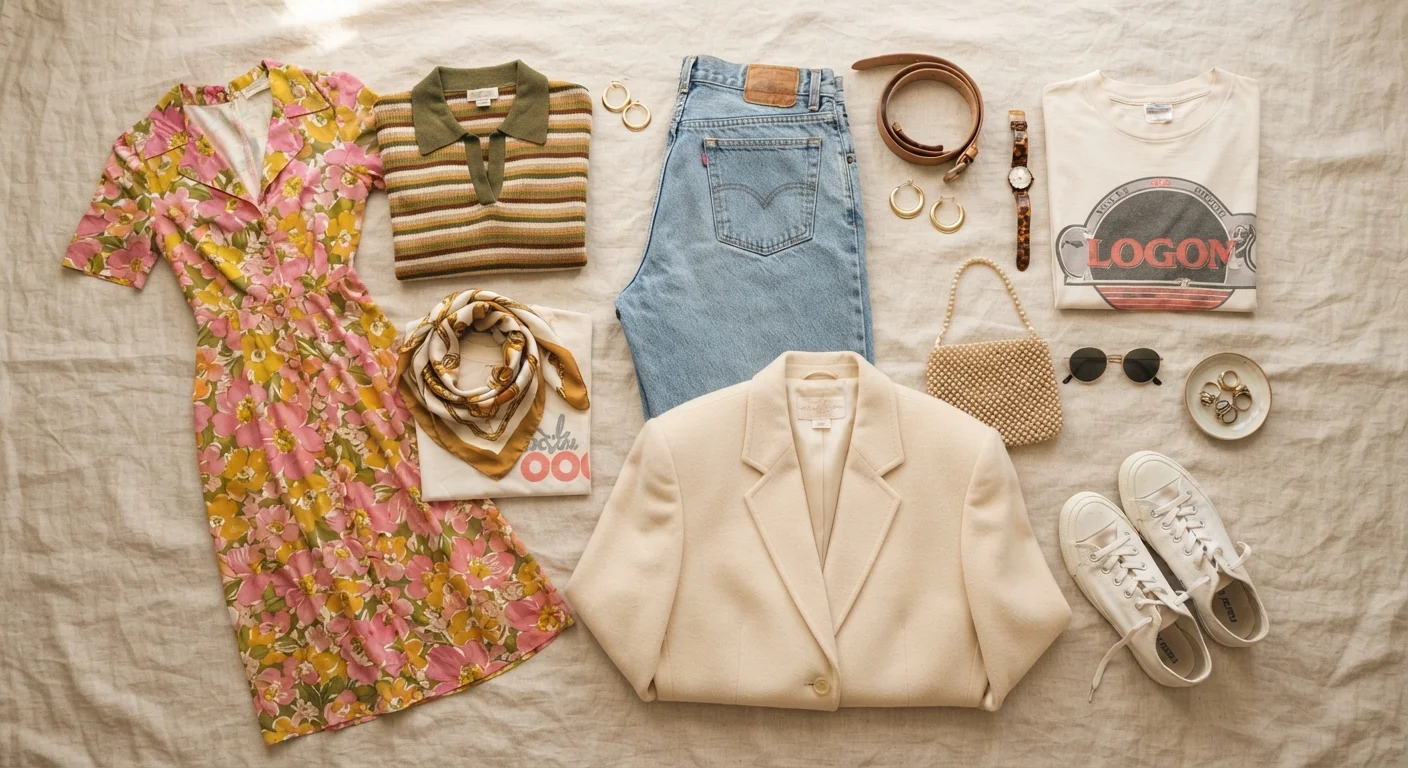
Fashion has a long memory, and it loves a revival. Whether it's low-rise jeans reappearing after a decade's absence or '70s earth tones flooding autumn collections, the return of past styles is not random. It follows recognizable patterns rooted in how humans experience time and taste.
At its core, a trend cycle moves through four phases: introduction, rise, peak, and decline. After decline comes the often-overlooked fifth phase - dormancy - where a style quietly waits until cultural conditions are ripe for its return. That return is almost always powered by nostalgia, the emotional pull toward aesthetics associated with a fondly remembered past.
The commonly cited 20-30 year nostalgia gap reflects generational mechanics: the people who wore a style in their teens eventually become the adults with disposable income and the cultural influence to bring it back. Meanwhile, their children encounter those looks as fresh and new rather than dated. How the fashion industry's seasonal calendar works is a separate layer entirely - but it interacts directly with these cycles by giving designers structured moments to propose revivals.
~20-30 yrs
Typical nostalgia gap before a style revival
Widely cited in fashion history and consumer behavior research as the generational turnover period driving trend comebacks.
Weeks
How fast a micro-trend can peak on social media
Industry analysts note that social platforms have compressed trend lifecycles from years to sometimes just a few weeks.
~$1.7T
Global apparel market size
According to Statista, the global apparel market was valued at approximately $1.7 trillion, illustrating the enormous commercial engine behind trend cycles.
Cultural and Commercial Forces at Play
Nostalgia alone doesn't resurrect a trend - it takes industry infrastructure to make it commercially viable. Designers, buyers, and trend forecasters actively research archival looks, and when cultural signals align (a popular film set in a past decade, a celebrity photographed in a vintage silhouette), they move quickly to capitalize.
Media plays an amplifying role. A streaming series set in the early 2000s can single-handedly renew interest in that era's fashion vocabulary. Similarly, the mechanics of nostalgia extend well beyond clothing - nostalgia drives entertainment choices too, and fashion and pop culture have always fed each other's cycles.
Social media has added a new variable. Platforms compress the traditional cycle dramatically, sometimes elevating a dormant aesthetic to viral status within days. The flip side is equally dramatic: over-saturation arrives faster, and so does the backlash. This acceleration is a key reason trend fatigue has become such a widely recognized experience among everyday dressers.
“Fashion is not something that exists in dresses only. Fashion is in the sky, in the street; fashion has to do with ideas, the way we live, what is happening.”
— Coco Chanel, Fashion designer and founder of the Chanel brand
Using Cycle Awareness to Dress Smarter
Understanding why trends return is genuinely useful knowledge for anyone building a wardrobe. When you recognize that a silhouette or color palette is early in its revival arc - still emerging rather than at peak saturation - you can make more intentional decisions about whether to engage with it or wait.
More importantly, cycle awareness reinforces the value of versatile, enduring pieces. A wardrobe anchored in well-fitting basics is far more resilient to trend swings than one that chases every seasonal wave. The question of what actually belongs in your wardrobe becomes easier to answer when you understand the forces pushing items in and out of cultural favor.
Spot the Revival Before It Peaks
When a style starts appearing on niche accounts and vintage resale platforms - but hasn't yet hit mainstream retailers - it's likely in early revival. That window is when the aesthetic still feels fresh rather than oversaturated. You don't need to move quickly, but recognizing the signal helps you make deliberate choices rather than reactive ones.
None of this means you need to predict trends with precision or resist every revival. Fashion is meant to be enjoyable. But approaching cycles with curiosity rather than pressure - knowing that what's "out" today has a reasonable chance of returning - makes the whole enterprise feel a lot less urgent, and a lot more fun.