

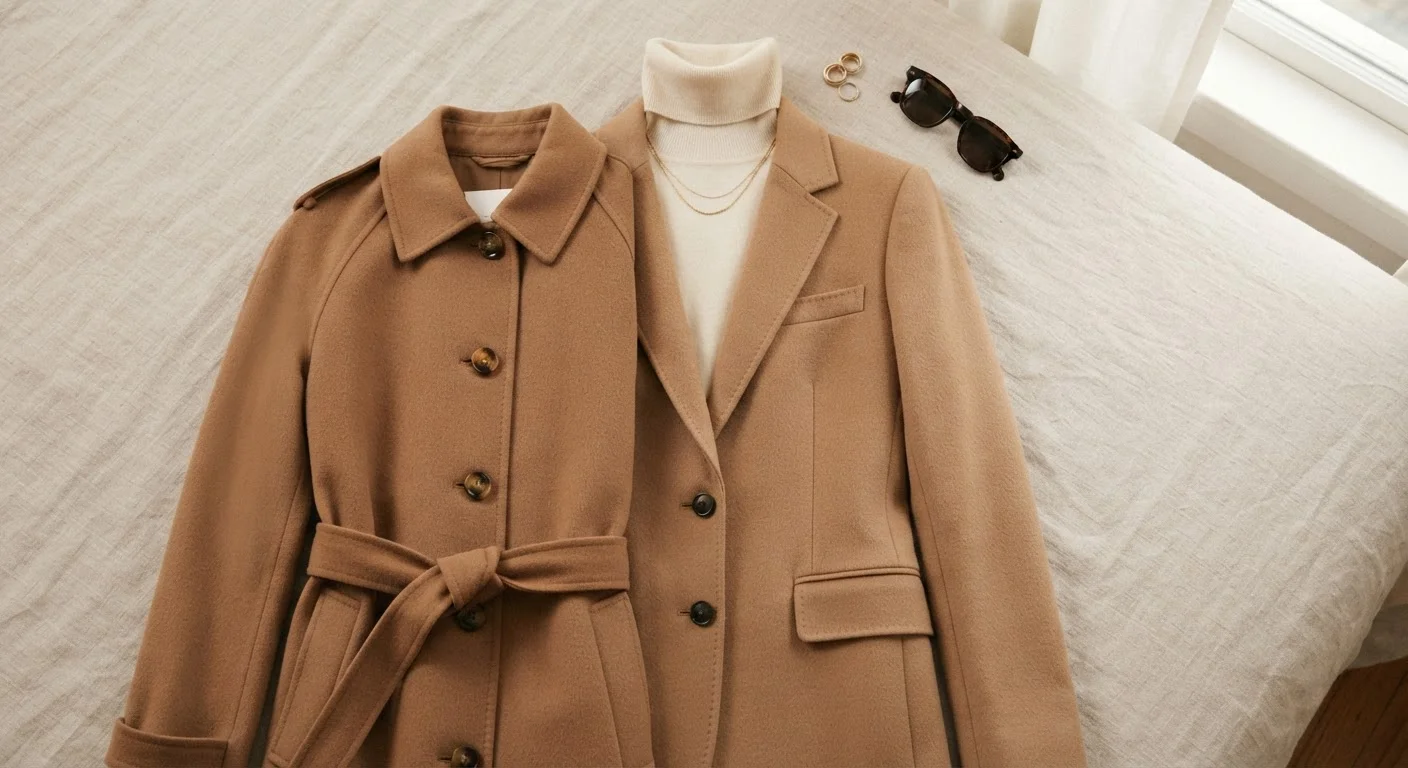
Key Takeaways
- Layer from fitted to looser, keeping each piece progressively roomier than the one beneath it.
- Fabric weight matters - heavier pieces belong on the outside to maintain clean silhouette lines.
- Varying hem lengths creates visual interest without adding physical bulk to your frame.
- Monochromatic or tonal color schemes make layered outfits look streamlined rather than cluttered.
Why Layering Goes Wrong (And How to Fix It)
Layering fails most often when pieces compete rather than cooperate. A chunky knit stuffed under a structured blazer, or a long tunic peeking unevenly beneath a cropped jacket - these aren't style problems, they're proportion problems. The fix isn't fewer layers; it's understanding how fit, weight, and length interact.
Think of a layered outfit as a stack: each piece should sit comfortably on top of the one below without creating friction. If you can't move naturally, or if the outermost layer looks strained across the shoulders, the foundation layer is likely too thick. Understanding how fabric weight and drape influence your silhouette is the single most useful skill you can bring to layering.
Start With Two Layers, Not Three
If layering feels overwhelming, begin by mastering two-piece combinations before adding a third. A well-chosen two-layer outfit - say, a fitted turtleneck under a relaxed blazer - teaches you how fit and fabric interact without the complexity of managing a full stack. Once that feels natural, adding a coat or vest on top is straightforward.
The Core Principles of Bulk-Free Layering
These practices work regardless of your body type, budget, or personal style. Apply them consistently and layering stops feeling like guesswork.
Always layer from your most fitted piece outward, with each subsequent layer slightly roomier.
A close-fitting base layer leaves room for the layers above it to sit naturally, preventing the stuffed or constricted look. When each layer has just a little more ease than the one beneath it, the stack moves with your body.
Match fabric weights so heavier materials are always on the outside.
Heavier fabrics - wool, denim, structured knits - anchor an outfit visually and physically. Wearing a heavy fabric underneath a lighter one causes the outer layer to look misshapen and adds visible bulk across the torso.
Vary hem lengths deliberately so each layer's edge is visible and intentional.
When every layer ends at the same hemline, the outfit looks accidental rather than styled. Staggered hems create visual rhythm and make each layer read as a distinct, chosen element.
Choose tonal or monochromatic color combinations when stacking three or more pieces.
Color contrast draws the eye to boundaries between layers, which can exaggerate bulk. When layers share a similar color family - navy, ivory, or camel, for instance - the outfit reads as one cohesive form rather than separate competing pieces.
Keep your base layer thin and smooth-surfaced to reduce friction between pieces.
Textured or ribbed base layers create resistance that causes upper layers to bunch, ride up, or sit unevenly throughout the day. A smooth, lightweight base gives your other layers a clean surface to rest on.
Quick Wins You Can Apply Right Now
You don't need to overhaul your wardrobe to start layering better. A few small adjustments to how you combine what you already own can make a noticeable difference this week.
For more ready-to-use combinations, see our outfit formulas guide - it pairs naturally with these layering principles.
Putting It All Together Across Seasons
Bulk-free layering isn't just a winter skill. In warmer months, thin cotton or linen over a fitted tank creates dimension without heat. In transitional weather - those awkward weeks between seasons - a lightweight knit under a relaxed blazer handles temperature swings without looking heavy. Our guide to transitional dressing between seasons covers exactly this scenario with practical outfit ideas.
3
Maximum layers for most everyday outfits
Styling professionals generally recommend capping everyday layered looks at three pieces to preserve silhouette clarity and ease of movement.
~1-2 inches
Ideal hem stagger between layers
A visible but not dramatic difference in hemline length - roughly one to two inches - is widely cited in styling guides as the sweet spot for intentional, uncluttered layering.
The broader goal is building wardrobe essentials that layer naturally with each other - pieces that were almost made to be worn together. If you find yourself rushing in the morning, the morning routine wardrobe strategy can help you plan layered outfits in advance so decisions feel effortless rather than stressful.
“Layering is not about adding more clothes - it's about understanding how clothes relate to each other in weight, proportion, and intention.”
— Tim Gunn, Fashion consultant and educator