
The Difference Between a Film's Theatrical Run and Its Streaming Window

Key Takeaways
- A theatrical window is the exclusive period a film plays in cinemas before streaming or home release.
- Standard windows historically lasted around 90 days, though that norm has shifted significantly.
- Studios can shorten or skip windows entirely for films released directly to streaming platforms.
- Premium video on demand (PVOD) is a mid-step between theatrical and free streaming, usually requiring a rental fee.
- Theater chains and studios negotiate window lengths, creating ongoing tension in the industry.
- Knowing how windows work helps viewers decide whether to catch something in theaters or wait to stream.
Theatrical Window
A theatrical window is the period of time during which a movie is shown exclusively in cinemas before it becomes available on home video or streaming platforms. Studios set this window deliberately to protect box office revenue and give theaters a head start on ticket sales. Once the window closes, the film typically moves to digital rental, purchase, and eventually subscription streaming.
In industry terms, 'windowing' refers to the sequenced release strategy across distribution channels: theatrical, premium video on demand (PVOD), transactional digital, and subscription streaming (SVOD).
What a Theatrical Window Actually Is
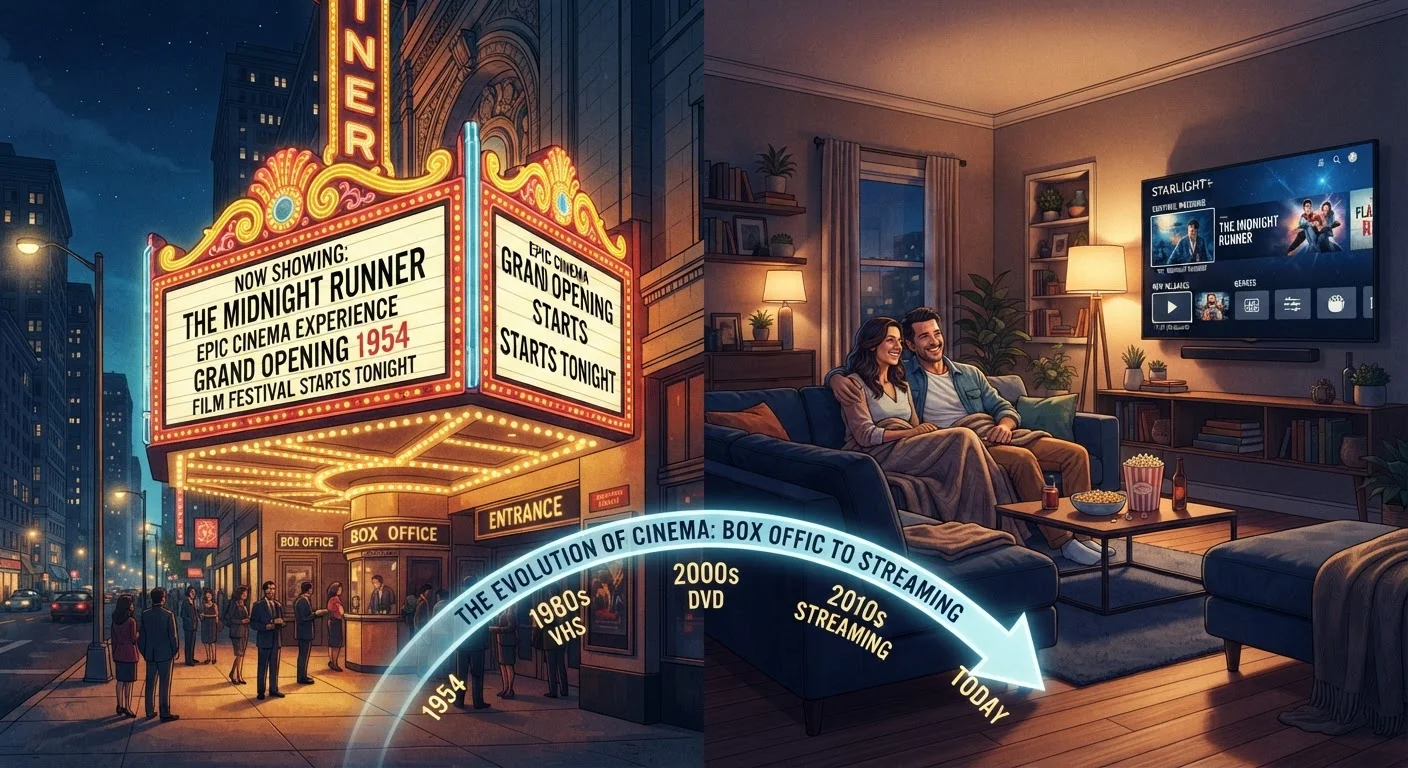
When a studio releases a major film, it doesn't immediately land everywhere at once. Instead, it moves through a carefully ordered sequence of distribution channels - and the first stop is almost always the movie theater. The exclusive period that cinemas hold before a film migrates anywhere else is called the theatrical window.
Think of it like a timed exclusive deal. During this window, the only legal way to watch the film is to buy a theater ticket. Once the window closes, the movie becomes available for digital rental or purchase, and eventually it arrives on subscription streaming platforms where you can watch it as part of a monthly membership.
This sequenced approach - known in the industry as windowing - has been the backbone of film distribution for decades. It's designed to maximize revenue at each stage, starting where margins are highest (the box office) before moving into formats with lower per-viewer income.
Not All Windows Are Created Equal
Window lengths vary by studio, film, and market. International release windows can differ from US timelines, and some streaming platforms have negotiated unique terms that allow films to appear faster in certain regions. What applies to one release may not apply to the next, even from the same studio.
How Long Is a Typical Window?
For most of Hollywood's modern history, the standard theatrical window was around 90 days - roughly three months. That gave theaters a full quarter to earn from a film before home formats competed for eyeballs.
That norm cracked significantly in the early 2020s. Pandemic-era theater closures forced studios to experiment, and many shortened windows to 45 days or even less. Some major studios announced new baseline policies in the 31-45 day range, though blockbusters with massive box office momentum often stay in theaters considerably longer by choice.
45 days
Common minimum theatrical window in recent years
Several major Hollywood studios shifted to a 45-day baseline window following pandemic-era disruptions to traditional distribution timelines.
90 days
Historical standard theatrical window
For most of the modern studio era, a roughly 90-day exclusive theatrical window was the widely accepted industry norm before home formats became available.
The result is a more fluid, negotiated reality. Window length now depends on a film's performance, the studio's relationship with exhibitors, and the strategic needs of the studio's own streaming platform. A film pulling huge ticket sales will naturally stay in theaters longer - studios have every incentive to let it run.
The Middle Step: PVOD
Between the theatrical window and free streaming sits an often-overlooked tier: Premium Video on Demand, or PVOD. Once the theatrical window closes - or sometimes overlaps with its final weeks - studios make the film available for digital rental or purchase at a premium price, often in the $5-$20 range depending on whether you're renting or buying.
PVOD gives studios a way to capture eager viewers who missed the theater or simply prefer their couch, without cannibalizing the box office too aggressively. It's essentially a premium patience tax: if you can't wait for the film to land on your subscription platform, you can pay to access it early.
Understanding PVOD is useful when you're deciding how to watch. See our breakdown of subscription vs. transactional streaming for a closer look at how these payment models actually work.
Why This System Is Constantly Under Pressure
The theatrical window exists because theaters and studios have a shared financial interest - but that interest isn't always aligned. Theater chains depend on the window to justify the expense of tickets and concessions. Studios, especially those running their own streaming platforms, increasingly see a fast streaming release as a way to drive subscriptions and engagement.
“The window debate is fundamentally about who captures value from a film - and both sides of that negotiation believe they're protecting the future of cinema.”
— Anonymous senior distribution executive, Quoted in trade press coverage of studio-exhibitor negotiations
This tension reshapes release strategies regularly. A studio might offer a blockbuster a long theatrical run to keep exhibitors happy, while quietly fast-tracking a mid-budget drama to streaming because it serves the platform better than a theatrical roll-out would.
For viewers trying to navigate the streaming landscape, understanding this push-pull explains why some films appear on streaming surprisingly fast while others seem to linger in theaters for months. It's rarely accidental - it's strategic.
What This Means for How You Watch
Practically speaking, knowing how theatrical windows work gives you a rough mental map for any film you're excited about. If a movie just opened in theaters, expect a wait of at least 45 days before a digital rental option appears, and potentially several months before it lands on a subscription platform.
If patience isn't your strong suit and the theater experience matters to you, the window is your friend - that's when the communal, big-screen version of the film is available. If you're happy to wait, the streaming arrival is almost always guaranteed for wide releases.
Tracking When a Film Hits Streaming
Several entertainment news outlets and fan-run databases track theatrical release dates and expected streaming arrival windows for major films. Checking these resources after a film opens in theaters can give you a reasonable estimate of when to expect it on your preferred platform, without the guesswork.
Worth noting: films released directly to streaming - sometimes called straight-to-streaming titles - skip the theatrical window entirely. These are increasingly common and represent a genuinely different distribution strategy, not a lesser one. Some critically acclaimed films have debuted this way. If you're curious about how to get the most from your subscriptions once films do arrive, auditing your streaming subscriptions is worth your time. And if the sheer volume of content across platforms leaves you overwhelmed, you're not alone - streaming fatigue is a real phenomenon with some practical solutions.