
Streaming Fatigue Is Real - Here's Why It Happens and What to Do About It

Key Takeaways
- Streaming fatigue is driven by an overload of platforms and content options, not a lack of good content.
- The psychology of choice paralysis means more options can actually reduce satisfaction.
- Subscription costs across multiple services add financial stress on top of mental fatigue.
- Simple strategies like curated watchlists and platform rotation can meaningfully reduce overwhelm.
- Taking intentional breaks from streaming is a valid and healthy response to the overload.
Streaming Fatigue
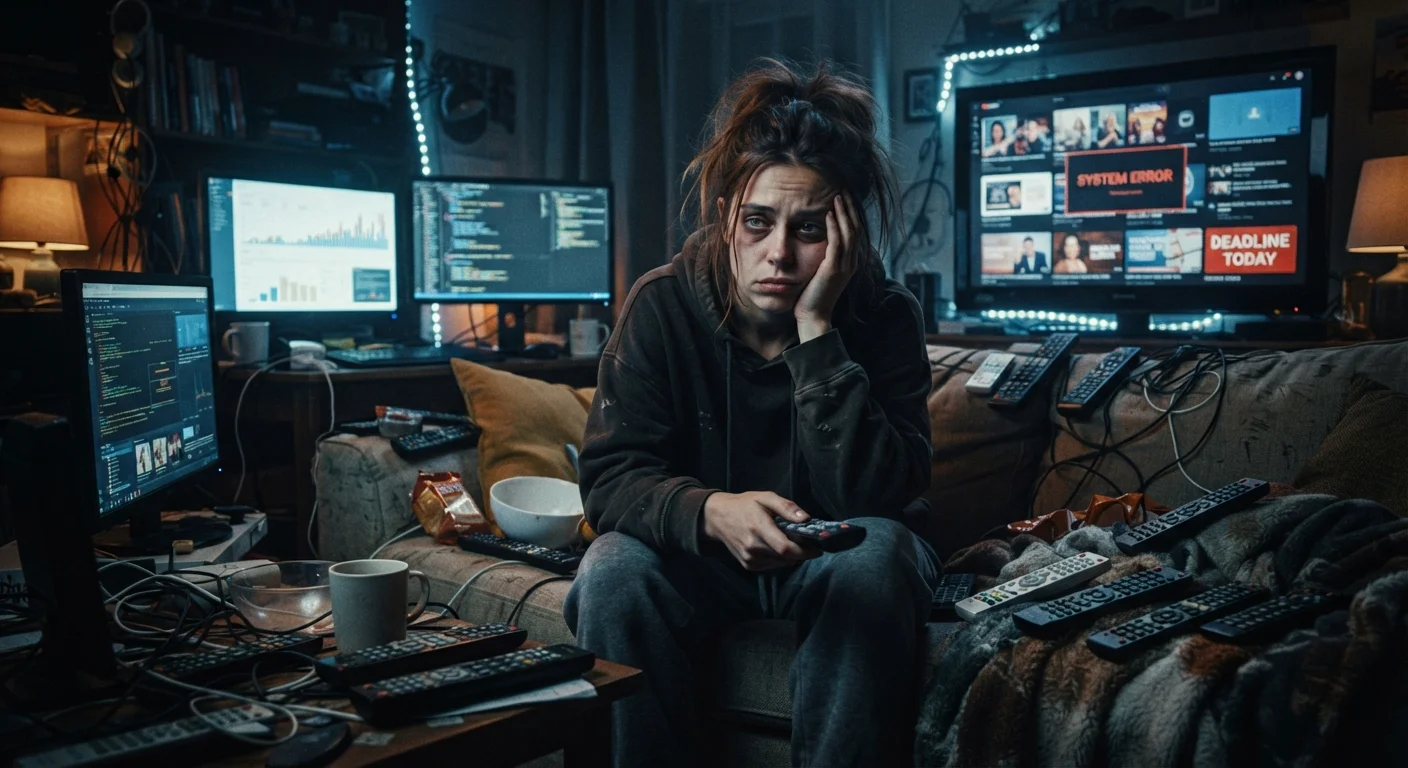
Streaming fatigue is the feeling of mental exhaustion, indecision, or disengagement that comes from having too many streaming platforms, too many content choices, and too little clarity about what to actually watch. It can make entertainment feel like a chore rather than a pleasure. The abundance of options - often called the paradox of choice - ironically makes it harder to settle on anything at all.
Psychologists link this phenomenon to decision fatigue, a well-documented cognitive state in which the quality of decisions deteriorates after extended periods of choosing. In a streaming context, this plays out as choice paralysis or simply opting out of watching entirely.
The Paradox at the Heart of Modern Streaming
There has arguably never been more to watch than right now. Prestige dramas, international series, documentary deep-dives, reality TV, film festival darlings - they're all just a few taps away. And yet, a growing number of viewers are spending more time scrolling than actually watching, a cycle that ends in frustration or just turning the TV off altogether.
This isn't a personal failing. It's a predictable psychological response to abundance. The paradox of choice - a concept developed by psychologist Barry Schwartz - describes how expanding options can increase anxiety and reduce satisfaction rather than improve outcomes. Streaming platforms have engineered their catalogs to feel inexhaustible, but the human brain wasn't built to process thousands of simultaneous decisions without cost.
For a broader look at how the modern streaming ecosystem is actually structured, this complete overview of the streaming landscape is worth reading alongside this one.
4-5
Average streaming subscriptions per US household
Multiple industry surveys have consistently found American households juggle between four and five active streaming subscriptions simultaneously.
~20 min
Average time spent browsing before selecting content
Viewer behavior studies have estimated that many users spend close to 20 minutes scrolling before committing to something to watch.
36%
Viewers who sometimes give up and watch nothing
A Deloitte Digital Media Trends report found that a significant share of subscribers occasionally abandon their search without watching anything at all.
Why Your Brain Finds Scrolling So Draining
Every time you open a streaming app, you're making micro-decisions: genre, mood, runtime, whether to continue something or start something new. Individually, these feel trivial. Cumulatively, they draw from the same cognitive reservoir that powers every other choice you make in a day - a reservoir that is not unlimited.
Decision fatigue is the psychological term for the deterioration in decision-making quality that follows prolonged periods of choosing. By the time you've scrolled through three platforms and read a dozen plot summaries, you may have less mental bandwidth than when you started. The result is either a paralyzed inability to commit, or defaulting to something familiar and safe - which can itself feel unsatisfying.
Platform design plays a role too. Autoplay features, algorithmically driven "recommended for you" rows, and constantly refreshing content carousels are all engineered to keep you engaged with the interface, not necessarily to help you find something you'll love quickly.
The Financial Dimension Adds to the Stress
Streaming fatigue isn't purely cognitive - it has a financial layer that compounds the frustration. As individual platforms have raised subscription prices and exclusive content has become splintered across more services, viewers face a genuinely complicated math problem: which combination of subscriptions delivers enough value to justify the monthly spend?
Constantly evaluating that equation creates a background hum of financial anxiety that makes watching feel transactional rather than enjoyable. If you're paying for four platforms but only actively use one, the others sit as a source of low-grade guilt. Understanding the differences between subscription and transactional streaming models can help clarify which approach genuinely fits your habits - and potentially reduce the sense of obligation that fuels fatigue.
Try a One-Platform Month
Pick a single streaming service and commit to it exclusively for a month - pausing or canceling the others. This constraint eliminates cross-platform scrolling, reduces subscription guilt, and often surfaces great content you'd overlooked. Scarcity, paradoxically, tends to improve satisfaction.
Practical Ways to Reclaim Your Watch Time
Streaming fatigue responds well to structure. A few straightforward habits can transform the experience from exhausting to genuinely enjoyable.
- Keep a living watchlist. Adding titles as you hear about them - from friends, reviews, social media - means you arrive at the couch with intentions rather than questions.
- Rotate platforms deliberately. Rather than maintaining five simultaneous subscriptions, consider focusing on one or two at a time and cycling through them. This reduces the number of interfaces and algorithms competing for your attention.
- Set a two-minute rule. If you can't decide in two minutes, pick the first thing that genuinely interested you - not the safest option. Commitment is often more satisfying than deliberation.
- Schedule an actual break. Just as trend fatigue in fashion often resolves with a step back from the noise, streaming fatigue frequently lifts when you give yourself permission to simply not watch for a few days.
- Let someone else choose. Delegating the decision to a friend, family member, or even a randomizer removes the cognitive burden entirely and often leads to surprisingly good discoveries.
Streaming fatigue is a real byproduct of a genuinely oversaturated market - and recognizing it as such takes the self-blame out of the equation. The goal isn't to watch everything; it's to watch what actually brings you pleasure.
“The secret to a satisfying life isn't maximizing your options - it's learning to be content with 'good enough' rather than holding out for the elusive 'best.'”
— Barry Schwartz, Psychologist and author of 'The Paradox of Choice'