

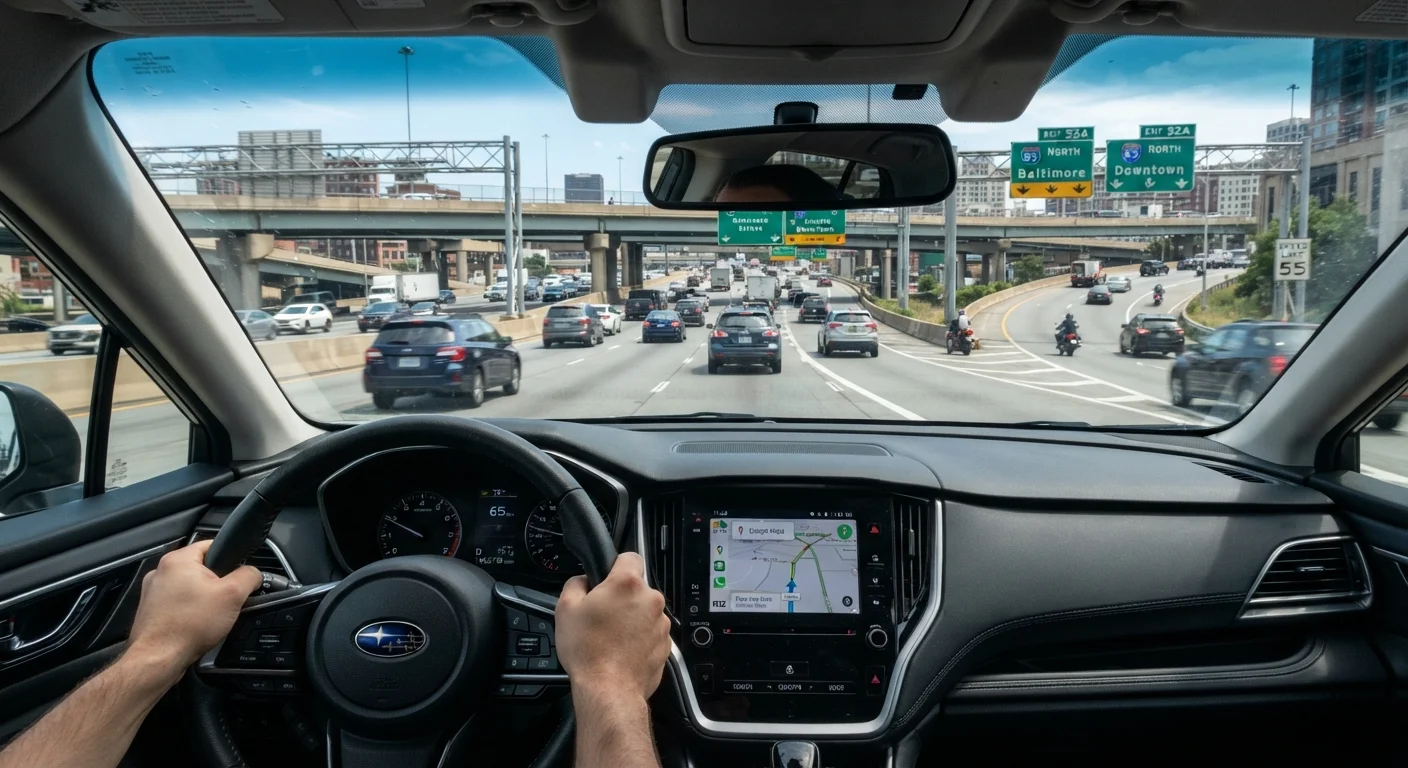
Key Takeaways
- Situational awareness means continuously scanning, not just watching the car ahead of you.
- Maintaining adequate following distance gives you time to react before a hazard becomes a collision.
- Managing your mental state and reducing distractions are as important as physical driving skill.
- Anticipating other drivers' mistakes - not just your own - separates confident drivers from reactive ones.
- Environmental conditions like weather, time of day, and road type require deliberate adjustments to your awareness habits.
What Situational Awareness Actually Means Behind the Wheel
Situational awareness - the continuous process of perceiving, understanding, and anticipating what's happening around your vehicle - is the foundation of safe driving. It's not an instinct. It's a practiced skill that experienced drivers build deliberately over time.
Most drivers focus on the car immediately in front of them. Truly aware drivers scan a full picture: traffic two or three vehicles ahead, the behavior of vehicles in adjacent lanes, road conditions underfoot, signage, and pedestrian activity at the edges of their field of vision. This wider lens is what creates reaction time.
For new drivers still building these habits, our guide for new drivers covers foundational risk perception in more depth. For those heading out on a longer journey, this pre-trip safety checklist is worth reviewing before you leave.
Core Practices That Build Road Awareness
Awareness isn't passive - it requires active habits applied consistently. The following practices are grounded in defensive driving principles and endorsed by road safety organizations across the US.
Scan far ahead - aim to track traffic at least 12 seconds down the road
Looking only at the vehicle immediately ahead leaves almost no time to react when something changes further up the road. A 12-second visual lead gives you space to adjust speed, position, or course well before a hazard arrives at your bumper.
Check your mirrors in a regular, rotating pattern - every five to eight seconds
Mirrors go stale fast. A vehicle that wasn't in your blind spot 10 seconds ago may be there now. Consistent mirror checks prevent surprise and give you an accurate mental map of what's around you at all times.
Maintain following distance that gives you at least three seconds of reaction time
Tailgating collapses the time between perceiving a hazard and being able to respond to it. Even at moderate speeds, three seconds of following distance is a minimum - more in poor conditions, with heavy loads, or when fatigued.
Anticipate what other drivers might do - not just what they're doing now
Reactive driving puts you perpetually behind events. Predictive driving - reading turn signals early, noticing hesitation before a lane change, spotting a pedestrian who might step into the road - lets you adjust before a situation becomes urgent.
Identify an 'out' - always know where you would steer if you had to act instantly
Having a mental escape route prepared eliminates the freeze response. When a hazard suddenly appears, drivers who already identified a path of least harm react faster and more decisively than those improvising in the moment.
The Role of Mental State and Distraction
Physical scanning technique means little if your mind isn't fully present. Cognitive distraction - thinking about something unrelated to driving - reduces your ability to process what your eyes are seeing, even when they're pointed at the road.
Your Mind Is Part of the System
Before you drive, do a quick honest check: are you tired, emotionally charged, or preoccupied? These states reduce cognitive bandwidth just as reliably as a phone in your hand. If the answer is yes, take a few minutes to settle before you pull out - or consider delaying the trip if fatigue is significant.
Many drivers underestimate how much multitasking degrades their awareness. Our article on distracted driving myths and documented risks addresses this directly. Stress, fatigue, strong emotion, and unresolved mental preoccupation all impair situational awareness in measurable ways - not just phone use.
Aggressive driving scenarios compound this further. Understanding the behavioral patterns behind road rage and aggression helps you recognize escalating situations earlier and respond without adding fuel.
Adapting Awareness to Changing Conditions
Road conditions aren't static, and neither should your awareness be. Rain, reduced visibility, heavy traffic, construction zones, and nighttime driving all demand deliberate recalibration - not just slowing down, but actively sharpening your scan pattern and extending your following distance.
94%
Crashes with a driver-related cause
According to NHTSA research, approximately 94% of serious crashes involve a driver-related factor such as recognition errors, distraction, or decision errors.
3 sec
Minimum safe following distance
The three-second rule is a widely taught standard in US defensive driving curricula; safety organizations recommend extending it significantly in adverse conditions.
Night driving introduces specific challenges that many drivers underestimate. Reduced peripheral vision, glare from oncoming headlights, and fatigue combine to create a riskier environment than most daylight drivers consciously account for. See our piece on night driving challenges for a deeper look at what changes after dark.
Similarly, merging and lane changes are moments of heightened risk where awareness gaps are costly. Where drivers go wrong with merging and right-of-way explains the rules and the common habit drift that causes avoidable collisions.
Start Now: Quick Actions That Sharpen Your Awareness Today
Building situational awareness doesn't require a formal course - though advanced driver training programs can be genuinely valuable. Many of the highest-impact habits can be practiced on your very next drive.
If an incident does occur despite your best preparation, knowing what to do immediately matters. Our walkthrough on what to do after a car accident covers the steps clearly. Keeping your vehicle in reliable condition also supports awareness - a car that handles predictably is easier to manage under pressure. Explore our car maintenance hub for upkeep essentials.