

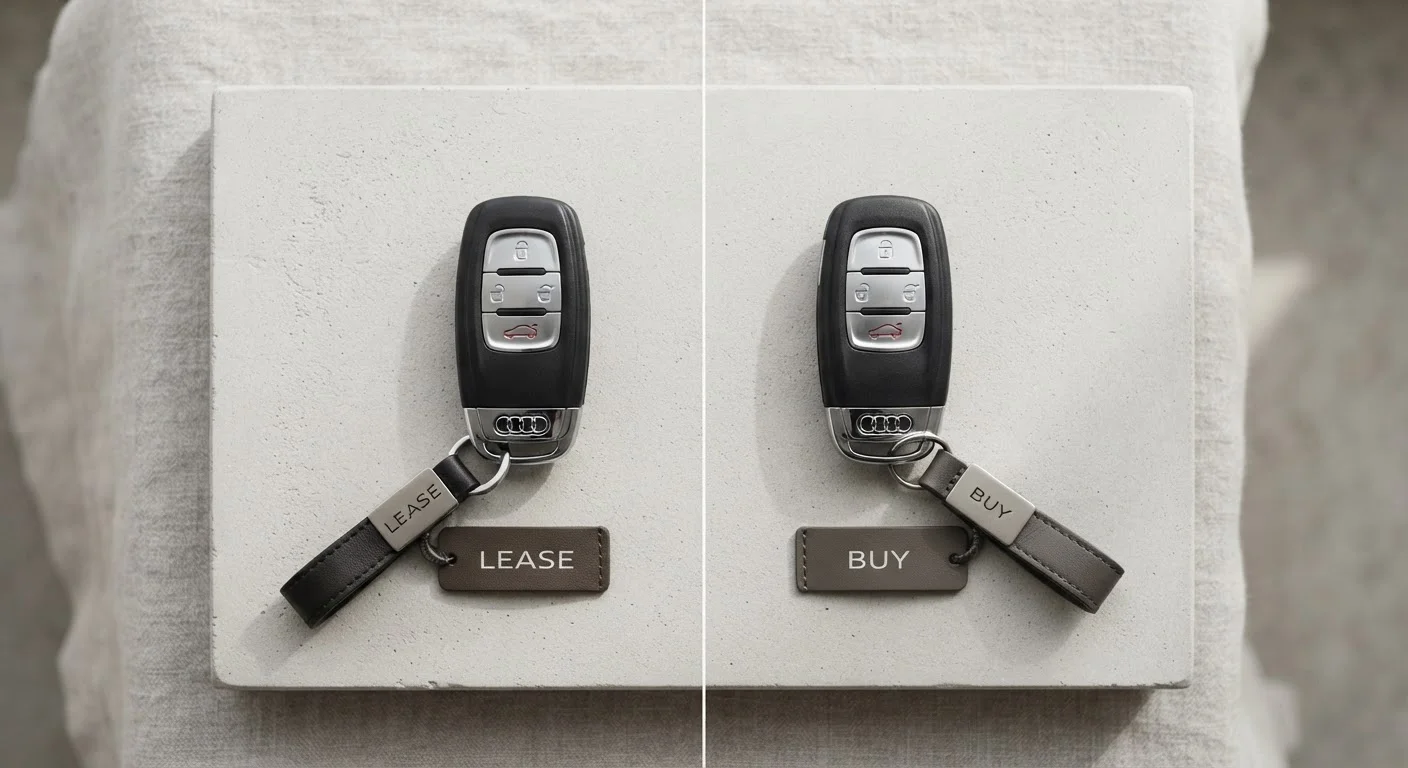
Key Takeaways
- Leasing typically offers lower monthly payments but builds no ownership equity over time.
- Buying costs more upfront but gives you full ownership and unlimited mileage use.
- Your annual mileage, budget flexibility, and attachment to vehicles heavily shape which path fits better.
- Neither option is universally superior - the right choice depends on your individual circumstances.
- Understanding depreciation is essential to evaluating the true cost of either path.
Our Verdict
Leasing suits drivers who prefer lower monthly costs, value driving a newer vehicle regularly, and keep mileage predictable. Buying makes more financial sense for high-mileage drivers, those who want to build equity, or anyone planning to keep a vehicle long-term. There is no universal right answer - the decision should be grounded in an honest assessment of how you drive, what you can afford, and how long you intend to keep the vehicle.
| Best for | Recommended |
|---|---|
| Drivers who prioritize lower monthly payments and newer vehicles | Leasing |
| Those who drive high annual mileage or want long-term ownership | Buying |
| Anyone who wants to avoid ongoing maintenance uncertainty | Leasing (while under warranty) |
| Drivers seeking to build equity and reduce costs over time | Buying |
How Each Option Actually Works
When you buy a vehicle, you either pay the full purchase price upfront or finance it through a loan. Each payment builds equity - ownership stake - in the vehicle. Once the loan is paid off, you own the car outright and can keep it, sell it, or trade it in on your own terms.
When you lease, you're essentially paying for the right to use a vehicle for a set period - typically two to four years - and returning it at the end. Monthly lease payments are calculated on the vehicle's expected depreciation during that term, plus fees and interest charges (called the money factor). You never own the vehicle unless you exercise a purchase option at lease-end. Understanding how vehicle depreciation works is key to grasping why lease payments are structured the way they are.
The Core Trade-Offs Side by Side
Most comparisons lead with monthly payment differences, but the fuller picture involves ownership, flexibility, and long-term cost. Here's how the two paths stack up across the dimensions that matter most to everyday drivers.
| Leasing | Buying | |
|---|---|---|
| Monthly payment | Generally lower | Generally higher (loan) |
| Ownership equity | None built | Equity builds over time |
| Mileage limits | Yes - overage fees apply | No restrictions |
| Upfront costs | Lower (drive-off fees) | Higher (down payment typical) |
| Long-term cost | Higher if continuous | Lower after loan payoff |
| Flexibility to exit | Limited - penalties common | More flexible - sell anytime |
| Customization allowed | Generally restricted | No restrictions |
| Maintenance responsibility | Routine care required; wear-and-tear assessed at return | Full responsibility; no return inspection |
One dimension the table can't fully capture: how you feel about your vehicle. Some drivers value the flexibility of returning a car every few years; others prefer building equity and having an asset to eventually own outright.
When Leasing Tends to Make More Sense
Leasing is generally a better fit when your annual mileage is predictable and falls within the lease's allowed limit - typically 10,000 to 15,000 miles per year. Exceeding that limit triggers per-mile overage charges that can add up quickly.
It also suits drivers who want to stay within manufacturer warranty coverage for the duration of their use. Most leases are structured so the vehicle remains under the factory warranty, which can reduce out-of-pocket maintenance exposure. That said, you're still responsible for routine upkeep like oil changes and tire rotations - neglecting these can result in wear-and-tear charges when you return the vehicle.
Track Your Mileage Before You Lease
Before committing to a lease, review your actual driving history over the past year or two. Many drivers underestimate how much they drive, which can lead to significant overage charges at lease-end. If your mileage is variable or unpredictable, a lease may introduce more financial risk than it's worth.
Leasing can work well as part of a broader budget strategy. For a deeper look at how a vehicle payment fits into your overall finances, see our complete budgeting framework.
When Buying Tends to Make More Sense
Buying becomes more advantageous the longer you plan to keep the vehicle. Once your loan is paid off, you eliminate that monthly payment entirely - a significant shift in your monthly cash flow. Over a 10-year ownership period, a paid-off vehicle typically costs far less than continuous leasing, even accounting for maintenance expenses.
High-mileage drivers almost always come out ahead buying. If you regularly drive 18,000-20,000 miles per year, lease mileage caps create a real financial risk. Buyers also have full freedom to modify their vehicle, use it for rideshare work, or let it accumulate wear without facing inspection penalties at return.
For a fuller accounting of what ownership actually costs beyond monthly payments - including insurance, fuel, and depreciation - see our breakdown of total vehicle ownership costs.
Exiting a Lease Early Can Be Costly
If your circumstances change - a job relocation, a growing family, or a shift in finances - getting out of a lease before its term ends typically involves early termination fees that can be substantial. Before signing a lease, understand the exit terms and consider how stable your situation is likely to be over the lease period.
If you're financing a purchase, it's worth comparing your options carefully. Dealer financing and direct lending differ in meaningful ways that can affect the total amount you pay.
Questions to Ask Yourself Before Deciding
- How many miles do I drive annually? Be honest - underestimating leads to costly overage fees on a lease.
- How long do I plan to keep this vehicle? Short-term users often benefit from leasing; long-term owners typically benefit from buying.
- How important is flexibility? Exiting a lease early is often expensive. Selling a car you own is generally simpler.
- What's my cash flow situation? Leasing offers lower monthly payments; buying can lower total long-term cost.
- Do I want to customize or heavily use the vehicle? Ownership places no restrictions; leases typically do.
Neither decision is permanent in the sense that your next vehicle doesn't have to follow the same path. Circumstances change, and the framework that fits you today may not be the one that fits in five years.
This article is for general informational and educational purposes only and does not constitute financial or legal advice. Consult a qualified financial professional before making significant financial decisions.