

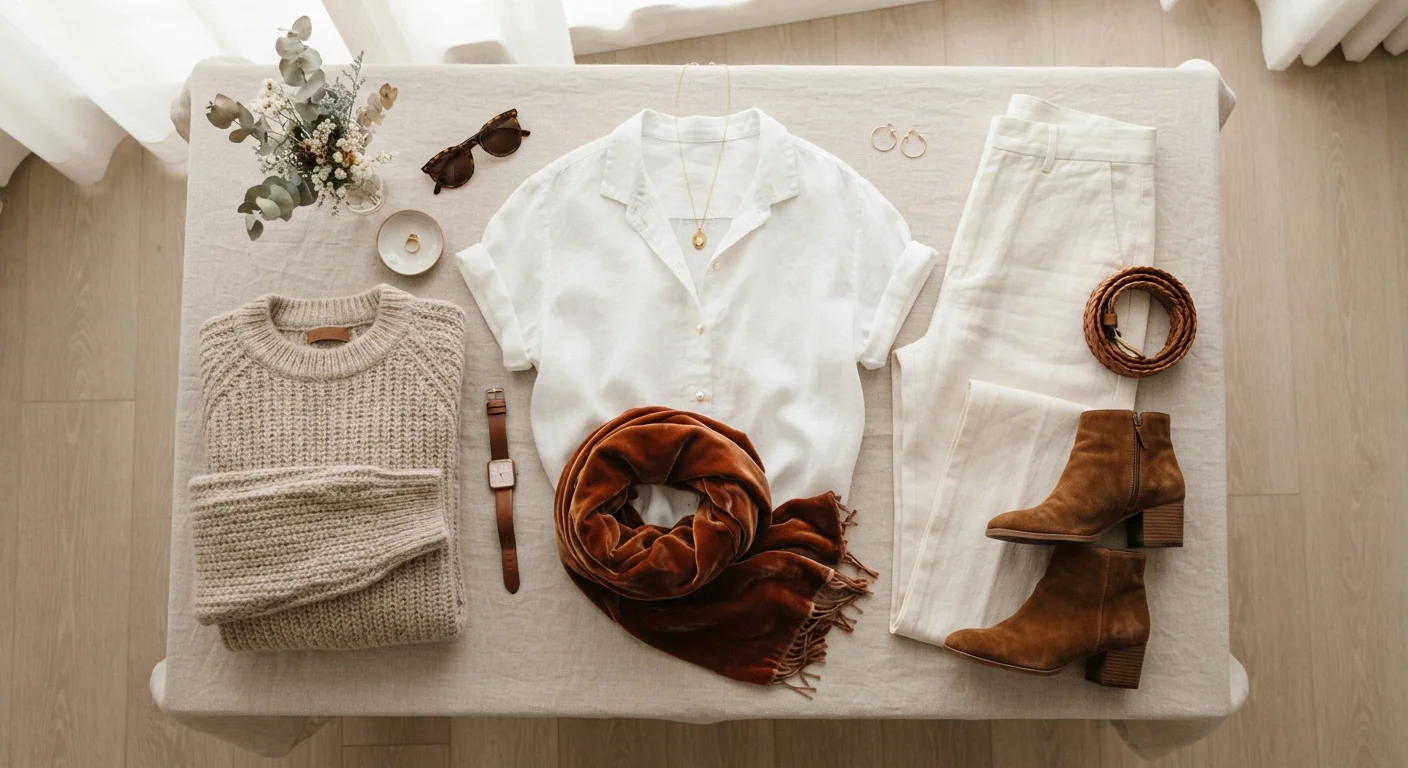
Key Takeaways
- The no-white-after-Labor-Day rule is a social convention, not a style law - white works year-round.
- Fabric weight and weave matter far more than color when choosing season-appropriate clothing.
- Layering lets you wear pieces across multiple seasons without buying an entirely new wardrobe each time.
- Geographic climate, not the calendar date, should drive most of your seasonal dressing decisions.
- Mixing textures and patterns across seasons is achievable with a few straightforward principles.
Why Seasonal Style Rules Exist - and Why Many Don't Hold Up
Seasonal fashion guidelines were largely codified in the early 20th century, when social calendars, dress codes, and climate assumptions were far more rigid. Some of those conventions stuck around even as lifestyles, climates, and wardrobes changed dramatically. The result? A handful of "rules" that many style-curious people follow out of habit rather than logic.
Understanding where these ideas came from - and when they genuinely apply versus when they're worth setting aside - gives you more freedom to dress in a way that actually fits your life. For a practical framework on rotating pieces between seasons, the seasonal wardrobe transition guide is a helpful companion read.
Myth
You absolutely cannot wear white after Labor Day.
Fact
White is a year-round color choice; what matters is the fabric weight and how you style it.
This rule originated in early 20th-century American social circles as a marker of seasonal transitions and, frankly, class signaling. Fashion historians generally agree it has no functional basis. Heavyweight white wool, white denim, and ivory knits are perfectly suited to fall and winter. The real question is always about fabric - a breezy white cotton sundress isn't cold-weather appropriate, but that's a fabric issue, not a color one. Check out which fashion rules are worth keeping and which to ignore for a broader look at this kind of convention.
Myth
You should only wear linen and light fabrics in summer.
Fact
Linen's open weave makes it breathable in heat, but many lightweight fabrics work in warm weather - the weave, not the name, is what counts.
Linen earns its summer reputation because of its loose weave and moisture-wicking properties, not simply because of its name. Lightweight merino wool, for instance, is also highly breathable and temperature-regulating - making it suitable for mild summer evenings. Conversely, a tightly woven polyester labeled "summer" can trap heat far more than loose-knit linen. Reading fabric composition and weave structure is more useful than relying on seasonal marketing labels.
Myth
Mixing patterns across seasons always looks chaotic or overdone.
Fact
Pattern mixing works in any season when you balance scale, color, and visual weight intentionally.
The idea that pattern mixing is a warm-weather-only or inherently risky move holds many people back unnecessarily. The principles that make it work - pairing different scales (small stripes with larger florals, for example), anchoring with a shared color, and keeping one pattern more dominant - apply across seasons. A plaid blazer over a fine-stripe shirt works just as well in January as it does in September. For a deeper dive, pattern mixing across seasons explains why some combinations land and others don't.
Myth
Heavy textures like velvet, corduroy, and boucle are strictly fall/winter fabrics.
Fact
Texture signals mood and dresses up or grounds an outfit - lighter garment weights in these textures can work into transitional months.
Velvet, corduroy, and boucle read as cold-weather textures partly because they're typically made in heavier weights for winter production runs. But these textures appear in lighter constructions too - a thin velvet slip dress can work in early fall evenings, and lightweight corduroy trousers bridge late summer into autumn without overheating. The weight of the specific garment, not the texture category, determines its seasonal range. This also connects to transitional dressing, where texture mixing is a key layering tool.
Myth
You need a completely different wardrobe for each season.
Fact
A well-built core wardrobe of versatile pieces can carry through most seasons with targeted additions - not wholesale replacement.
The idea that wardrobes require full seasonal overhauls benefits the fast-fashion model far more than it benefits your closet or budget. Most styling professionals and wardrobe editors advocate for a core of adaptable pieces - neutral trousers, layering tops, solid-color knitwear - that transition across seasons with the addition of a few weather-specific items. A structured wardrobe essentials approach reduces seasonal decision fatigue and keeps spending intentional rather than reactive.
Climate Beats Calendar: The Real Driver of Seasonal Dressing
One of the most persistent misunderstandings in seasonal style is treating calendar dates as universal dressing triggers. Someone in Phoenix and someone in Minneapolis face entirely different conditions in October, yet both are expected to follow the same "fall wardrobe" script.
70°F+
Average November temperature in Miami, FL
National Weather Service historical averages illustrate how dramatically US climate zones diverge by fall - making a single seasonal wardrobe standard impractical.
~4
Distinct US climate zones affecting seasonal dress
Climate researchers broadly identify four major climate regions in the continental US, each with meaningfully different seasonal temperature ranges and transition windows.
Your geographic climate should shape your seasonal approach far more than any arbitrary date. The guide to dressing across four climate zones breaks this down with useful regional context. Fabric weight, breathability, and layering flexibility are the real variables - not which month it is.
If you're ready to put these debunked rules into practice, a seasonal wardrobe audit before each new season helps you dress intentionally rather than reactively. And for the weeks when seasons blur together, transitional dressing strategies offer a smart, layered approach.
Dress Codes Still Have Context
Breaking seasonal rules is liberating in everyday life, but some formal occasions - weddings, galas, workplace environments - carry dress code expectations that carry social weight. Before ditching seasonal conventions for a specific event, it's worth consulting a dress code reference to make sure your choices read as intentional rather than inadvertent.