
Chapter 7 vs. Chapter 13 Bankruptcy: How They Differ and What They Mean for Your Finances

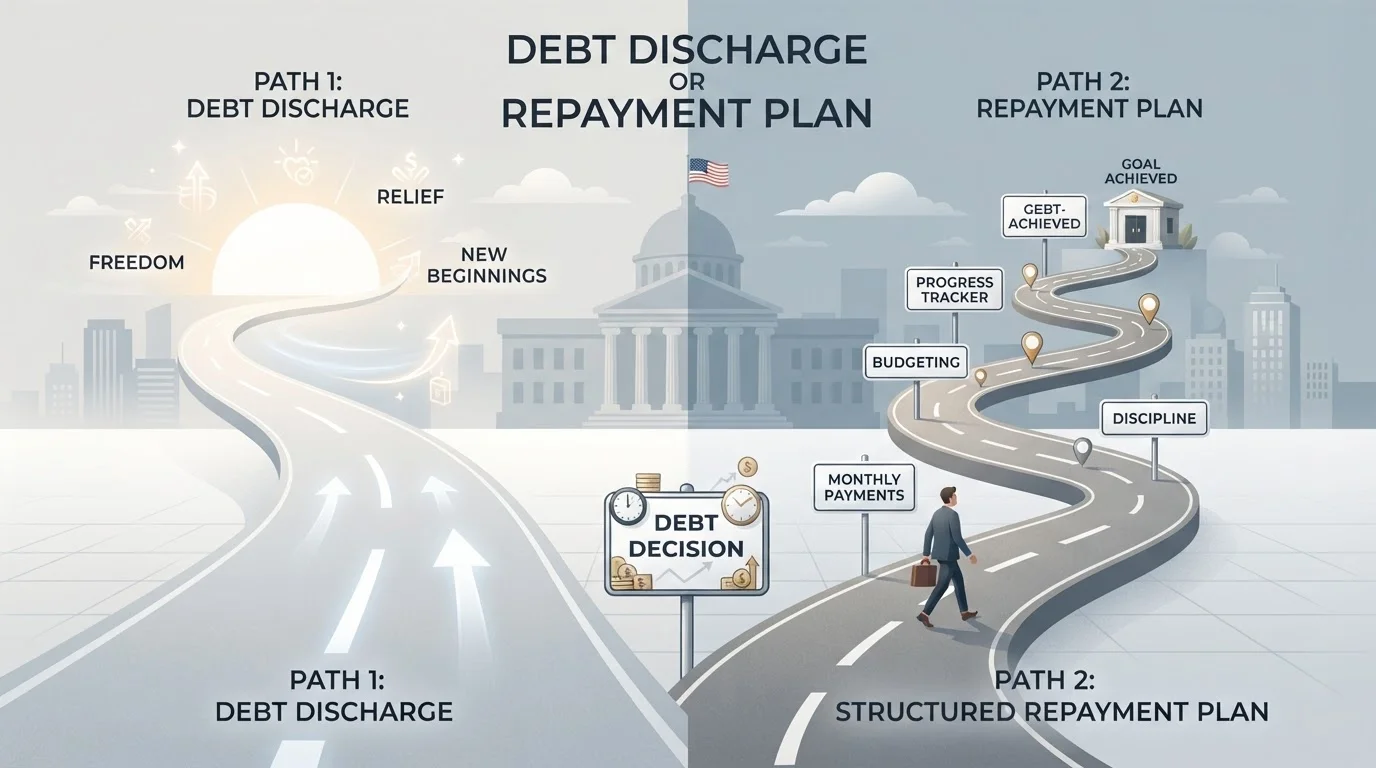
Key Takeaways
- Chapter 7 eliminates most unsecured debts quickly but requires passing a means test based on income.
- Chapter 13 lets you keep assets while repaying debts over a 3-5 year court-approved plan.
- Both types stay on your credit report for years - Chapter 7 for 10 years, Chapter 13 for 7 years.
- Bankruptcy does not eliminate student loans, most tax debts, or child support obligations.
- Consulting a licensed bankruptcy attorney is strongly recommended before filing either type.
Our Verdict
Chapter 7 suits those with limited income, few assets, and primarily unsecured debt who need a faster resolution. Chapter 13 is typically better for those with regular income, significant assets they want to protect, or debt types that require structured repayment. Neither path is inherently better - the right choice depends entirely on your financial picture, and a qualified professional should guide that decision.
| Best for | Recommended |
|---|---|
| Low-income filers with mostly unsecured debt | Chapter 7 |
| Homeowners wanting to stop foreclosure and catch up on mortgage arrears | Chapter 13 |
| Those who need the fastest possible debt discharge | Chapter 7 |
| Those with steady income who want to repay debts on structured terms | Chapter 13 |
What Bankruptcy Actually Does
Bankruptcy is a federal legal process that allows individuals overwhelmed by debt to either eliminate what they owe or restructure payments under court supervision. It triggers an automatic stay - a legal pause on most collection actions, foreclosures, and wage garnishments - the moment a case is filed.
For most consumers, the two relevant options are Chapter 7 (often called liquidation bankruptcy) and Chapter 13 (reorganization bankruptcy). Both provide relief, but through fundamentally different mechanisms with distinct eligibility rules, timelines, and long-term consequences. Before considering either, it's worth understanding whether alternatives - such as the strategies outlined in our debt consolidation overview - might apply to your situation.
This article is for general informational purposes only and is not legal or financial advice. Consult a licensed bankruptcy attorney or financial adviser for guidance specific to your circumstances.
Chapter 7: Liquidation and Discharge
Chapter 7 bankruptcy discharges - legally cancels - most unsecured debts, including credit card balances, medical bills, and personal loans. The process typically concludes in 3 to 6 months, making it the faster of the two paths.
Eligibility: The Means Test
To qualify, filers must pass a means test comparing their average monthly income to the median income for their state and household size. Those whose income falls below the state median generally qualify automatically. Those above it must demonstrate insufficient disposable income after allowable expenses to repay debts.
What Happens to Assets
A court-appointed trustee reviews your non-exempt assets and may liquidate them to partially repay creditors. However, most Chapter 7 filers are no-asset cases - federal and state exemptions (covering items such as a primary vehicle up to a certain value, retirement accounts, and basic household goods) protect the majority of typical consumer property.
Protect Retirement Accounts Before Filing
In most Chapter 7 cases, qualified retirement accounts such as 401(k)s and IRAs are fully exempt from the bankruptcy estate under federal law. Withdrawing from these accounts to pay debts before filing can eliminate that protection and create a taxable event. Always consult a bankruptcy attorney before touching retirement savings in a debt crisis.
What Is Not Discharged
Chapter 7 does not eliminate student loans (except in rare hardship cases), most federal and state tax debts, child support, alimony, or debts from fraud or willful harm. These remain fully owed after discharge.
Chapter 13: Repayment Under Court Protection
Chapter 13 allows filers with regular income to propose a 3- to 5-year repayment plan that a bankruptcy court must approve. Rather than liquidating assets, filers pay a monthly amount to a trustee, who distributes funds to creditors according to the plan's priority structure.
Who It Helps Most
Chapter 13 is often chosen by homeowners facing foreclosure - filing halts the process and the repayment plan can include catching up on mortgage arrears. It also suits those with assets exceeding exemption limits they wish to keep, or those whose income disqualifies them from Chapter 7.
Debt Limits and Requirements
There are statutory limits on the total secured and unsecured debt a filer may carry to use Chapter 13; these figures are periodically adjusted. Filers must also have filed required tax returns and demonstrate sufficient regular income to fund the plan.
If structured debt repayment appeals to you but bankruptcy feels like an extreme step, reviewing approaches like those in our debt payoff strategy comparison may be worthwhile first.
Side-by-Side Comparison
The table below summarizes the key differences between the two chapters across the dimensions most relevant to individuals considering bankruptcy.
| Chapter 7 | Chapter 13 | |
|---|---|---|
| Common name | Liquidation bankruptcy | Reorganization bankruptcy |
| Typical timeline | 3-6 months | 3-5 years |
| Income eligibility | Must pass means test | Must have regular income |
| Asset protection | Non-exempt assets may be sold | Keep assets; repay value through plan |
| Credit report duration | 10 years from filing | 7 years from filing |
| Mortgage foreclosure | Pauses but does not cure arrears | Can catch up on arrears via plan |
| Best suited for | Limited income, mostly unsecured debt | Regular income, assets to protect |
Credit Impact and Long-Term Implications
Both types of bankruptcy cause significant credit score damage and remain visible to lenders for years. Chapter 7 stays on a credit report for 10 years from the filing date; Chapter 13 stays for 7 years.
10 years
Chapter 7 credit report duration
Under the Fair Credit Reporting Act, a Chapter 7 bankruptcy can remain on a credit report for up to 10 years from the filing date.
7 years
Chapter 13 credit report duration
Chapter 13 filings are generally removed from credit reports 7 years from the filing date, reflecting the repayment effort made by the filer.
However, many filers see credit scores begin to recover within 1-2 years as they rebuild with secured cards or credit-builder loans. The credit impact - while real - is often less severe than years of continued delinquency on unpaid accounts.
Practical long-term implications to anticipate include higher interest rates on future loans, difficulty qualifying for certain rentals or jobs with credit checks, and limitations on some professional licenses. Planning for life after bankruptcy - including building an emergency fund and establishing positive credit habits - begins at filing, not after discharge.
Bankruptcy is a legal remedy, not a character judgment. Understanding your options clearly and working with qualified professionals gives you the best foundation for a financially stable future.