

Key Takeaways
- Street photography reveals how real people interpret trends, not just how designers intend them.
- Repetition across unrelated photos is the strongest signal that a look has genuine traction.
- You can extract useful style cues without buying anything new or following influencers.
- Context - city, season, neighborhood - shapes what street style signals are actually relevant to you.
- Observation skills sharpen over time and transfer directly to more confident everyday dressing.
What you will need
Why Street Photography Still Matters as a Style Signal
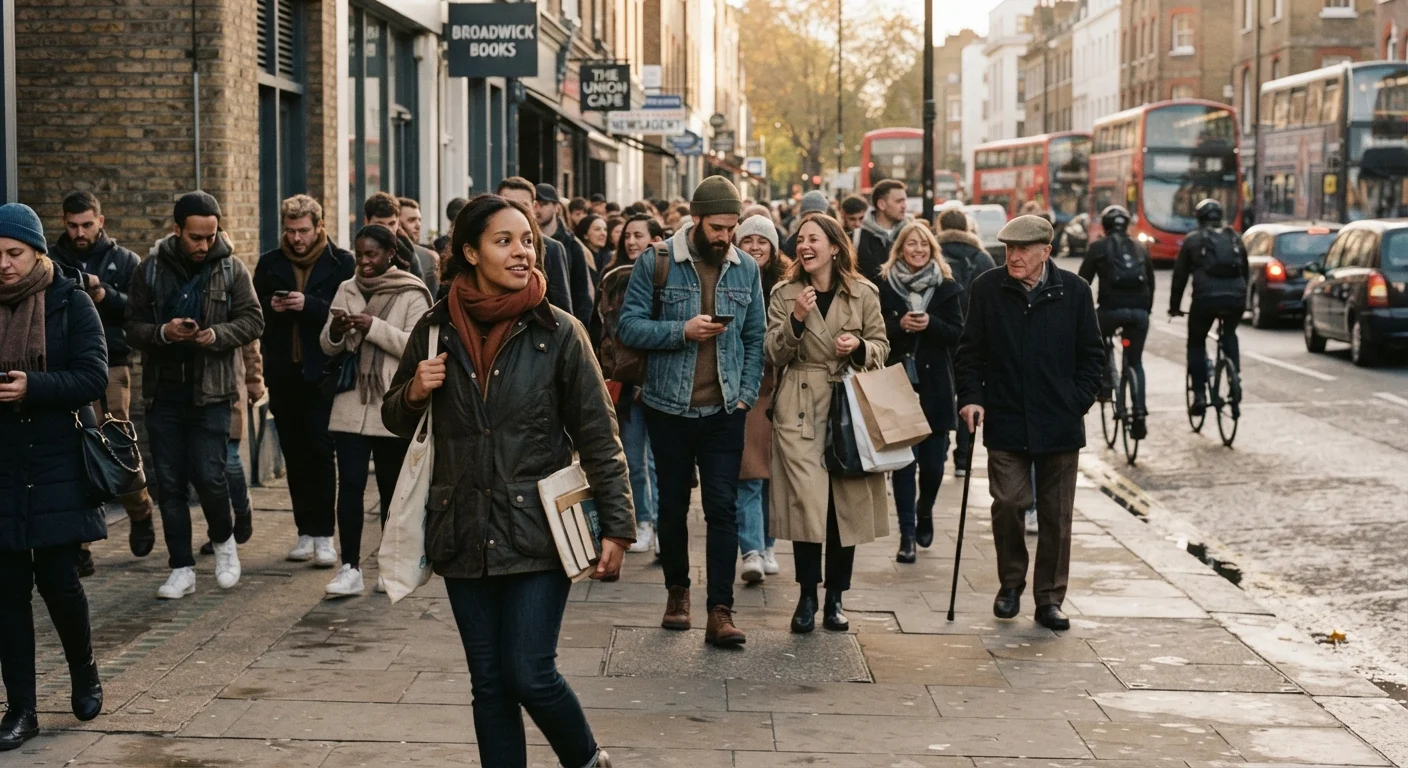
Before algorithmic feeds flattened the visual landscape, street photography was how fashion editors, buyers, and curious dressers actually tracked what people were wearing. The discipline emerged as a documentary practice - candid, unposed, geographically grounded - and it remains one of the most honest windows into how trends translate from runways and retail floors into daily life.
The difference between a street photo and an influencer post is context. Street photography captures real friction: weather, transit, budget constraints, personal identity. When a particular silhouette or color combination survives that friction and keeps appearing across different people in different cities, it signals something more durable than a sponsored post can. For readers who want to stay style-informed without feeling manipulated, learning to read these images is a genuinely useful skill - and one that sits alongside broader fashion literacy, like knowing which style guidelines are actually worth keeping.
Trend Signals vs. Personal Pressure
Reading street style is about gathering information, not a checklist of things you must own. A look appearing frequently in photos tells you what's culturally resonant right now - it says nothing about what you're obligated to wear. Use these observations as raw data, then filter through your own lifestyle, budget, and comfort.
How to Read Street Photos for Actionable Style Cues
The method below is straightforward and requires no special tools beyond curiosity and a place to take notes. If you're newer to tracking trends deliberately, this guide for style-curious beginners covers complementary ground on where to look and what seasonal coverage actually means.
What you will need
Photo archive or street style platform
Provides access to large, searchable collections of candid street photography across cities and seasons.
Notes app or physical notebook
Lets you record recurring elements - colors, silhouettes, styling combinations - as you observe them.
Saved screenshot folder
Creates a personal visual reference you can revisit and compare across weeks or months.
Choose a geographically and seasonally relevant archive
Not all street photography is equally useful to you. A collection shot in Tokyo in January reflects different climate realities, cultural norms, and retail availability than one shot in Chicago in the same month. Start by identifying archives or accounts anchored to cities and seasons that match your own context - or that you genuinely aspire toward. Specificity makes the signal cleaner.
Scroll without saving - observe first
Spend five to ten minutes simply looking before you capture anything. Your eye will unconsciously start flagging repetition - the third person wearing wide-leg trousers, the recurring appearance of a particular jacket length. This passive observation phase prevents you from over-indexing on novelty, which is the trap most trend-watchers fall into.
Log recurring elements, not full outfits
Whole outfits are hard to replicate and easy to misread. Instead, isolate individual components: a specific hem length, a color pairing, a way of layering two textures, a shoe silhouette. Write these down in plain language. "Chunky white sole, slim straight leg, oversized coat" is more actionable than "cool downtown look." Specificity is what makes observation transferable to your actual wardrobe.
Cross-reference across two or three distinct sources
A detail appearing in one photographer's archive could reflect that photographer's subject-selection bias. When the same element surfaces across two or three independent sources - a documentary photography blog, a fashion magazine's street coverage, and a candid personal account - the signal becomes substantially more reliable. This cross-referencing step separates genuine momentum from editorial curation. It's the same principle discussed in reading a trend for longevity.
Filter observations through your lifestyle and existing wardrobe
Once you have a short list of recurring elements, hold each one up against your actual life. A strong street style signal for voluminous outerwear is relevant if you commute on foot in a cold climate; less so if you spend most of your day in a car. Check whether you already own anything that moves in the direction of a pattern you've spotted - often the answer is yes, and a small styling adjustment is all that's needed. For a practical framework on balancing what you already own against new observations, this guide on classic vs. trendy pieces offers a useful starting point.
Revisit your notes after four weeks
Style signals that persist across a month of observation are substantially more durable than those that spike and disappear. Pull up your notes, compare them to a fresh round of archive browsing, and note what's held and what's faded. This retrospective step builds your trend-reading calibration over time - which is ultimately more valuable than any single observation session.
Build a Private Lookbook Folder
Save screenshots from street photography archives into a dedicated phone folder organized by season. Reviewing them weekly trains your eye to spot repetition without algorithmic distortion. Over a month, patterns emerge that no single scroll session would reveal.
Beware Curated 'Street Style' Feeds
Many accounts labeled street style are actually coordinated shoots with stylists and paid talent. Authentic street photography - captured candidly, without prior arrangement - is the more reliable signal. Look for unposed movement, mixed outfit quality, and real environmental context as markers of genuine candid work.