

Key Takeaways
- Zero-based budgeting assigns every dollar of income to a category so nothing goes untracked.
- The budget resets from scratch each month, reflecting your actual income and expenses for that period.
- Savings and debt payments count as assigned categories, not afterthoughts.
- This method works best for people with consistent income who prefer detailed oversight.
- A qualified financial professional can help you tailor a budgeting approach to your situation.
Zero-Based Budgeting
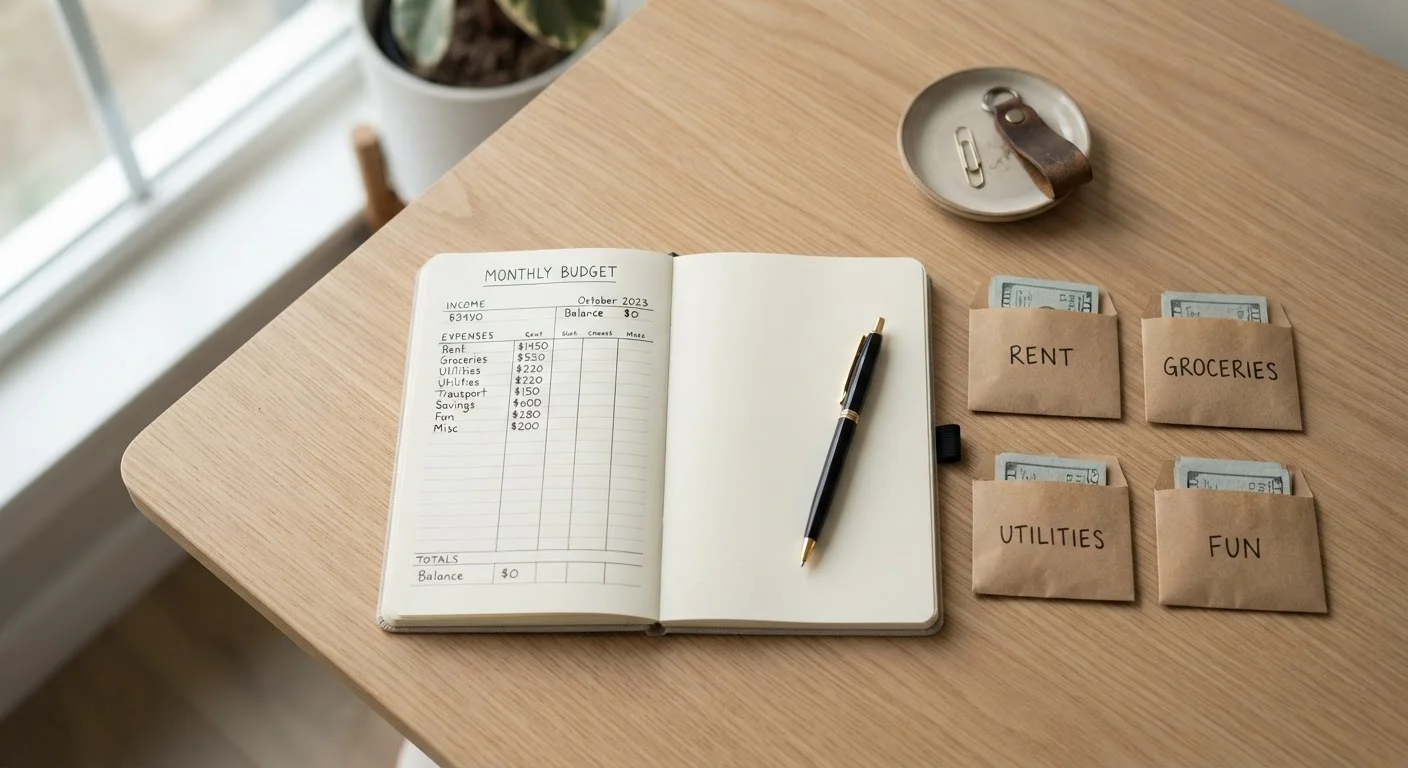
Zero-based budgeting (ZBB) is a method where you allocate every dollar of your monthly income to a specific category - expenses, savings, or debt repayment - until nothing is left unassigned. The goal is for income minus all allocations to equal zero. This doesn't mean spending everything; it means every dollar has a deliberate purpose before the month starts.
Unlike incremental budgeting, which adjusts the prior period's numbers, ZBB rebuilds the spending plan from zero each cycle, requiring each allocation to be actively justified rather than carried forward automatically.
How Zero-Based Budgeting Works
The mechanics are straightforward. At the start of each month, you list your expected take-home income. You then create spending and saving categories - housing, groceries, utilities, transportation, insurance, entertainment, savings, and debt payments - and assign a dollar amount to each. You keep assigning until the remaining balance is zero.
That zero endpoint is the whole point. It forces you to make conscious decisions about every dollar rather than letting money drift toward unexamined spending. If you want to spend more in one category, you must reduce another. There is no passive money; every dollar is directed.
For a broader look at how this compares to other approaches, see how Americans use different budgeting methods side by side.
Build a Small Buffer Into Your Budget
When starting out, consider adding a small 'miscellaneous' or 'buffer' category of $50-$100. This gives you a designated place for unexpected costs without blowing other categories off track. As your estimates improve over a few months, you can shrink or eliminate this buffer.
What Counts as a Category
One of the strengths of ZBB is its flexibility in category design. Common categories include:
- Fixed expenses - rent or mortgage, loan payments, insurance premiums
- Variable necessities - groceries, utilities, fuel
- Discretionary spending - dining out, subscriptions, hobbies
- Savings goals - emergency fund, retirement contributions, vacation fund
- Debt repayment - extra principal payments beyond minimums
Savings and debt repayment are assigned first in many ZBB frameworks, treating them as non-negotiable commitments rather than whatever is left over. This reflects the "pay yourself first" principle embedded within a more detailed structure.
~30%
Americans with a detailed monthly budget
Surveys by organizations such as the National Foundation for Credit Counseling have consistently found that fewer than one in three Americans maintain a detailed, written monthly budget.
$1,000+
Average monthly untracked discretionary spending
Research from the Bureau of Labor Statistics Consumer Expenditure Survey suggests the average American household spends a substantial share of income on discretionary categories that are rarely itemized in advance.
Who Benefits Most - and Where It Gets Difficult
Zero-based budgeting tends to work well for people who have predictable monthly income, enjoy tracking details, and want to understand exactly where their money goes. It can be especially useful when someone is actively paying down debt, saving toward a specific goal, or trying to identify spending leaks they haven't noticed before.
The method has real friction points, too. Rebuilding a budget from scratch every month takes time - typically 30 to 60 minutes per session. People with variable or irregular income face the added challenge of budgeting before final income is confirmed. And the level of category detail that makes ZBB powerful can also make it feel overwhelming if you're new to budgeting.
ZBB is one approach within a wider set of options. For context on where it fits, this complete budgeting framework walks through the full spectrum from income calculation to building an emergency fund.
ZBB Is a Method, Not a Mandate
No single budgeting method works for every household. Zero-based budgeting requires consistent effort and may not suit everyone's lifestyle or income pattern. If you find the monthly rebuild unsustainable, a simplified version - assigning dollars to just a handful of broad categories - can preserve the core discipline with less overhead.
Getting Started With Your First Zero-Based Budget
Starting is simpler than it looks. Before the month begins, gather your last few pay stubs or bank statements to estimate income. List every known expense - fixed first, then variable estimates. Then assign remaining dollars to savings or debt categories until you reach zero.
Expect the first month to feel imprecise. Your estimates will be off in a few categories. That's normal. ZBB improves with iteration: each month's actuals become the reference point for next month's allocations.
Tracking mid-month matters too. Checking your remaining category balances once or twice a week helps you avoid overspending before the month ends. Choosing the right tracking tool can make this habit much easier to sustain.
This article is for general informational and educational purposes only and does not constitute personalized financial advice. Consult a qualified financial professional for guidance suited to your individual circumstances.