

Key Takeaways
- More insulation is not always better - the right R-value for your climate zone matters most.
- Attic insulation alone is insufficient; walls, floors, and crawl spaces also need attention.
- Insulation slows heat transfer but does not completely stop air leaks - sealing gaps is separate work.
- Older homes can be retrofitted with insulation without a full gut renovation.
- Vapor barriers are not universally necessary and can cause moisture damage if misapplied.
Why Insulation Myths Are Expensive
Insulation decisions have long-term financial consequences. A poorly insulated home can result in higher heating and cooling bills month after month, and correcting mistakes after the fact often costs more than getting it right the first time. Yet a surprising number of homeowners operate on outdated or simply incorrect assumptions about how insulation works - assumptions that lead to wasted spending or missed opportunities.
These myths aren't always obvious. Some sound plausible on the surface. Others are half-truths that apply in certain situations but get applied universally. The goal here is to address the most common ones directly so you can make decisions grounded in how insulation actually performs. For broader home maintenance guidance, the Household Essentials hub covers related topics in depth.
Myth
More insulation is always better, so adding as much as possible everywhere will save the most energy.
Fact
Insulation effectiveness is tied to the correct R-value for your specific climate zone - beyond that threshold, additional layers produce diminishing returns.
R-value measures an insulation material's resistance to heat flow. The U.S. Department of Energy publishes recommended R-value ranges by climate zone, and those targets are the practical ceiling for meaningful savings. Stacking insulation beyond what your zone requires rarely justifies the cost. Learn more about what R-value numbers actually mean before purchasing materials.
Myth
If I insulate my attic, the rest of my home is covered - that's where most heat escapes.
Fact
Heat escapes through every poorly insulated surface: exterior walls, floors over unconditioned spaces, crawl spaces, and around windows and doors.
Attic insulation is important, but it addresses only one pathway for energy loss. A home loses heat through all of its building envelope - the combined surface of walls, floors, ceilings, and openings. Focusing only on the attic while ignoring drafty crawl spaces or uninsulated exterior walls will leave significant energy waste unaddressed. A professional energy audit can reveal exactly where your home is losing the most conditioned air.
Myth
Insulation seals up my home, so I don't need to worry about air leaks separately.
Fact
Insulation slows heat transfer through materials but does not block airflow through gaps, cracks, or penetrations - air sealing is a distinct, complementary task.
Batt insulation (the fluffy roll-type material fitted between studs) and even rigid foam boards are not air barriers by themselves unless specifically installed and taped to function as one. Air leaks around electrical outlets, pipe penetrations, and attic hatches can dramatically undercut insulation performance. Caulking and weatherstripping those gaps first - before or alongside insulation - is essential for real energy savings. This pairs well with broader strategies outlined in reducing household energy use without sacrificing comfort.
Myth
Older homes can't be properly insulated without tearing out all the walls.
Fact
Most older homes can be retrofitted using blown-in or injection foam insulation without major demolition.
Blown-in insulation (loose-fill cellulose or fiberglass) can be added to existing wall cavities through small holes drilled from the exterior or interior, then patched afterward. This approach is far less disruptive than a full gut renovation and is widely used in older housing stock. While some older homes may have unique challenges like knob-and-tube wiring that require professional evaluation first, the assumption that older homes can't be insulated without full demolition causes many homeowners to delay improvements unnecessarily.
Myth
A vapor barrier is always required and should be installed on both sides of the insulation.
Fact
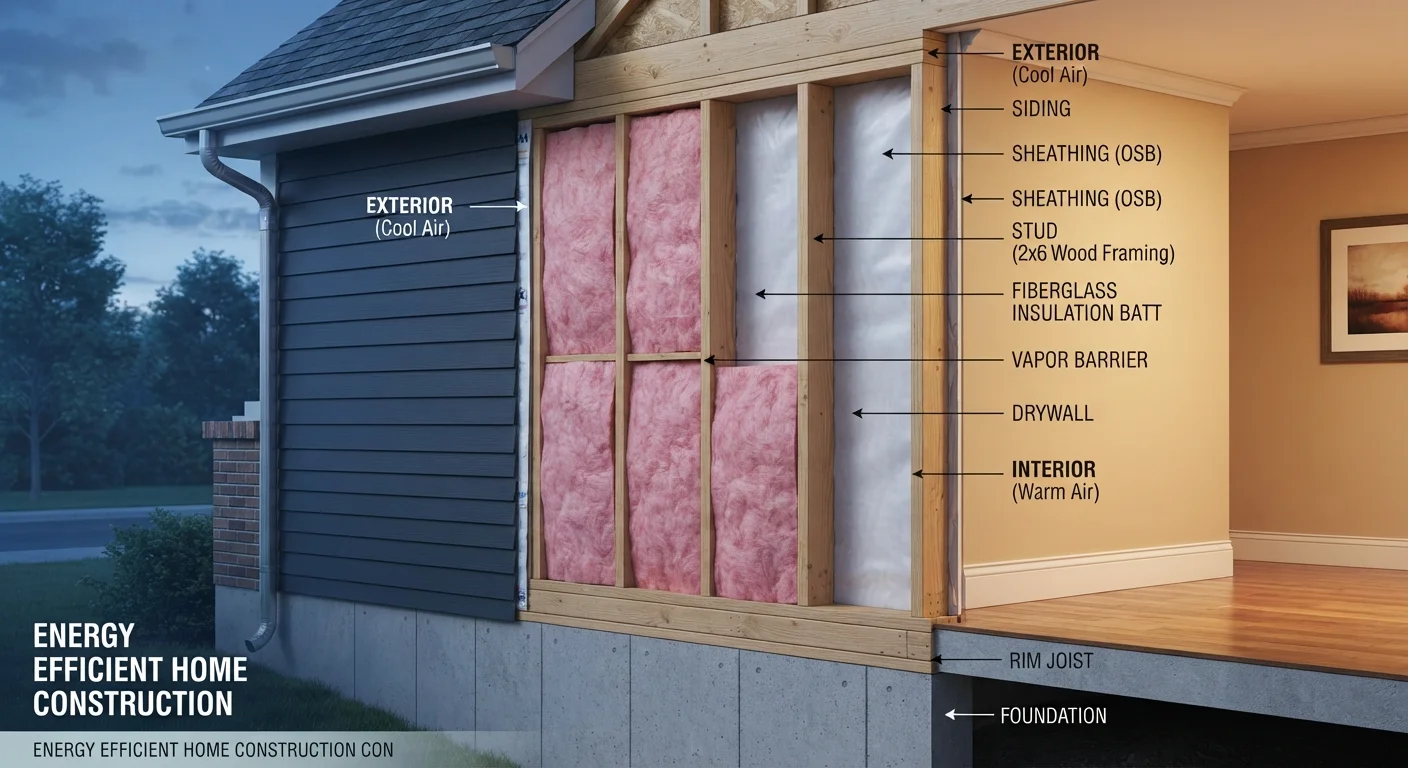
Vapor barrier placement depends entirely on your climate - installing one on the wrong side can trap moisture and cause mold or structural damage.
In cold climates, a vapor barrier typically belongs on the warm interior side of the wall to prevent interior moisture from migrating into the wall cavity where it can condense. In hot, humid climates, the logic can reverse. Installing a vapor barrier on both sides of insulation - a common DIY mistake - creates a sandwich that traps any moisture that gets in, with no way to dry out. Always consult local building codes and a qualified professional to determine the right vapor management strategy for your specific climate.
Making Smarter Insulation Decisions
Correcting these myths doesn't mean every homeowner needs to hire a specialist immediately. Many smaller improvements - sealing visible gaps with caulk, adding weatherstripping to doors, or insulating an accessible attic hatch - are within reach of a capable DIYer. That said, knowing your limits matters. DIY home improvement has real trade-offs, and insulation work near electrical components or in complex wall assemblies is typically best left to licensed professionals.
Electrical and Structural Work Needs a Pro
When adding or upgrading insulation near electrical wiring, recessed lighting, or load-bearing walls, always consult a licensed contractor. Improper installation around these elements can create fire hazards or moisture problems. Many insulation projects also require permits - check your local building department before starting any significant work.
Start by identifying which myths have shaped your home's current insulation setup, then prioritize fixes based on where your energy losses are largest. An energy audit - sometimes offered at low or no cost through utility programs - can give you a clear, data-backed starting point rather than guesswork.
This article is for general informational purposes only. Always verify local building codes, permit requirements, and consult qualified professionals before undertaking significant insulation or home improvement work.