10 common shipping mistakes to avoid

10 common shipping mistakes to avoid

Today, life without shipping is impossible to imagine for companies, ecommerce platforms, and consumers. With shipping, it is possible for brands worldwide to deliver products to consumers and vice versa. However, even seemingly minor errors with shipping can prove time-consuming and expensive for businesses, with the added risk of losing customers. Therefore, one needs to be very careful when shipping products over long distances. Here are some common shipping mistakes to avoid: 1. Not filling the Bill of Lading with accurate information The Bill of Lading (BOL) is a document in which shippers need to add details of their shipments and provide their signatures. It also lists shippers’ and suppliers’ fiduciary duties, so it is a rather important document. That’s why it is critical that all the details in the BOL are accurate, including the total weight and value of the parcel. One should also mention the weight and freight class accurately. Mentioning incorrect details can tarnish a company’s image, so it is crucial to fill in the BOL correctly. 2. Disposing of delivery receipts It is not considered the shipper’s fault if a shipment gets damaged in transit. In such cases, companies shipping their products need evidence that the product did not get damaged at the packaging stage but during shipping. Procuring delivery receipts at every supply stage helps shippers identify the stage at which the product was damaged so that they can prove to their customers that they had not shipped a damaged product. So, companies should always collect delivery receipts at every stage of supply and avoid disposing of them until the product reaches the end user. 3. Not making use of online shipping platforms There are thousands of online shipping platforms that make shipping a breeze for businesses. They have a wide range of cutting-edge features, including plugins to track the shipment, complete labeling tasks, calculate the total amount, etc.
Read More

A guide to essential restaurant equipment

A guide to essential restaurant equipment

Starting a new restaurant can be exciting and overwhelming at the same time. One will need to be aware of the ins and outs of a hospitality business and how to run a restaurant successfully. One of the most important things in any restaurant is the tools of the trade, i.e., kitchen equipment. To simplify it for new restaurant owners, here is a brief guide on essential restaurant equipment a professional kitchen requires. Ranges and ventilation systems A range is an understandably crucial piece of restaurant equipment that one would need to get. It is the most important piece of cooking setup that will enable chefs to control the heat on dishes and cook with even heat. Ranges are available in two different types: gas ranges and electric ranges. A restaurant can choose either type based on their requirements. Here are a few aspects to consider about both types of ranges when choosing one: Gas ranges Gas ranges provide chefs with more control over the cooking temperature. They also work a lot faster than electric ranges. They are slightly harder to clean and maintain, but their repairs also cost relatively less. Electric ranges Electric ranges are easier to use and clean. Plus, they also eliminate the risk of gas leaks or fire hazards. They also help ensure that the food gets cooked evenly. Along with ranges, a restaurant would also need a proper ventilation system to ensure that cooking fumes have a way of escaping. When choosing a ventilation system for their restaurant, one would need to consider the size and efficiency of the system. Refrigerators While restaurants make fresh food every day, refrigerators are important to store produce, poultry, and other raw ingredients. It is also needed to make any kind of desserts. Refrigerators are a necessity as per the food safety codes, which require a restaurant to store its food at a minimum temperature.
Read More
7 benefits of using Google Ads

7 benefits of using Google Ads

In today’s internet age, digital marketing is a great way to reach out to potential customers. Google is perhaps the most popular web browser people use to search for information on anything and everything. So, naturally, using Google Ads as a tool for marketing purposes is a good idea for brands, both big and small. Here are seven invaluable benefits every company can enjoy by using Google Ads for marketing. Increased leads Google Ads surely has been successful in generating leads. The platform helps businesses find the right audience for whom the product is made. However, one must properly set up their ad campaigns for the best results. The ads should be extremely targeted and, when clicked, lead to either the website or another page relevant to the campaign’s objective. Since Google Ads provides insights, one can refine the campaign according to the changing search pattern trends. Suitable for all Google Ads can help every brand grow, regardless of whether it is big or small. Even an entrepreneur creating and selling artwork in a remote location can use the platform. They can use it to make ads and target them based on the audience’s location, age group, or the kind of gadget they are using to access the Google search engine or other Google-based apps. This is why Google Ads is also known as a flexible marketing tool. One can change so many parameters according to their business’s needs. Users also enjoy flexibility in terms of how much money they want to spend daily on the campaign or how much they want to spend per click! Better return on investment Earlier, people would find it hard to gather data to understand how well their marketing and advertising strategy was performing. As a result, they would estimate numbers and make business decisions based on that.
Read More
8 benefits of using eco-friendly products

8 benefits of using eco-friendly products

We must be mindful of the materials we use as the world moves toward environmental sustainability and avoid those that harm the planet’s ecosystem. It is imperative to explore ideas that minimize or eliminate environmental damage. Saving the planet is the greatest incentive for people to purchase eco-friendly products and services. Nevertheless, many other reasons exist for buying green products to sustain the environment in multiple ways. Let’s look at a few benefits. Reduces plastic waste Plastic is one of the biggest contributors to environmental damage. Most commercial products like shampoos and toothpaste contain plastic and harm the environment. Instead, one can opt for eco-friendly versions, such as shampoo bars and toothpaste tablets, as these are more sustainable and reduce plastic usage. Reducing the amount of plastic on Earth is the first crucial step towards preventing climate change and its devastating consequences. Lowers carbon footprint The carbon footprint refers to the number of greenhouse gasses that, directly and indirectly, are released into the atmosphere through daily activities. For instance, someone driving their private vehicle to get to work will have a higher carbon footprint compared to another person who takes public transport or travels on foot for the same commute every day. The carbon footprint increases drastically when activities include burning fossil fuels for transportation and electricity. Surprisingly, shopping frequently is also a significant contributor to increased carbon footprint. Fosters a sustainable lifestyle Acquiring an environmentally friendly product goes beyond simply lowering a given entity’s carbon emissions. It also implies a pledge to modify one’s lifestyle to make most of their activities less polluting and more sustainable for their immediate surroundings. For instance, as an act of sustainable living, one can buy reusable beverage bottles instead of the typical disposable ones that are usually discarded after use. Another example of a sustainable lifestyle is purchasing locally sourced food instead of consuming highly processed meals from a chain of a well-known fast-food restaurant.
Read More
7 ERP mistakes to avoid

7 ERP mistakes to avoid

Enterprise Resource Planning (ERP) systems encompass everything required to run a successful business. From cloud-based solutions as service options to hosted systems, businesses are presented with many options. Once they have jumped through that hoop, they are presented with the task of ERP system implementation, a multi-step, complex process. It requires extensive planning to execute properly. The system can feel overwhelming from beginning to end, leading to easily avoidable mistakes. 1. Not planning Planning is one of the critical aspects of successfully implementing ERP software. Using an ERP system will impact every department of an organization. Most organizations don’t put in enough thought and planning, which can lead to increased confusion in the future. This confusion can sometimes lead to the derailment or discontinuation of the project. The only solution to this problem is to plan profusely. It is vital to have a map that helps businesses stay on track and avoid hurdles along the way. They can start by assembling a team to handle the implementation process. 2. Neglecting budgeting Another common mistake companies make with ERP implementation is not thinking enough about the budget. A well-thought-out budget that accounts for additional costs and post-sales services can help make the worst of the situation work. Some companies simply do not focus all that much on budgeting since they believe the system does not have many expenses connected to it. Companies must consider everything in the budget, from employee training to maintenance. This helps with the optimum usage and efficiency of the solution. Improper budgeting, like improper planning, can be a hurdle down the line and may lead to the project’s collapse. 3. Trying to implement it all ERP systems are vast and can take much time to implement and learn. Another common mistake companies make that leads to them believing the implementation was a failure is that they try to implement it all at once.
Read More
11 advantages of using POS systems

11 advantages of using POS systems

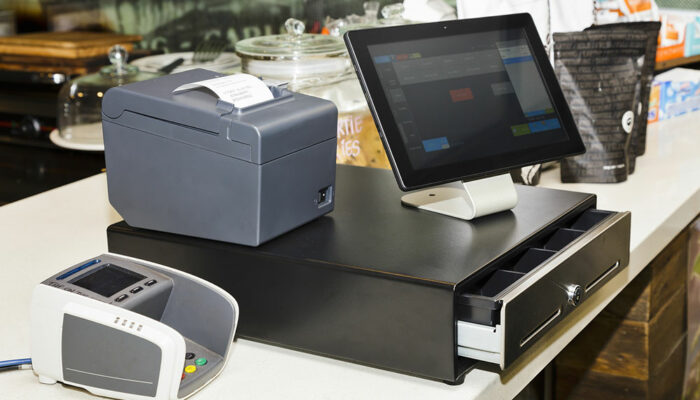
Over the years, a POS (Point of Sale) system has replaced traditional cash registers. This technological marvel combines software and hardware with implementations in business operations. The hardware could include a scanner, physical terminal, printer, computer, and other devices. These work with software to track and organize business information. A POS system brings with it multiple benefits for small and large businesses. Here are 11 notable advantages of installing this system. Error reduction One of the most prominent advantages of a POS system is that it can reduce the errors that usually occur in manual processes. For instance, an individual who conducts transactions manually by cash might sometimes get minute calculations incorrect. These mistakes could become quite a hassle when one needs to account for the inventory at the end of the month or when it’s time for an audit. The POS system ensures accurate results with minimal error if used correctly. Superior inventory management The POS system makes it easy to track the inventory of any business, such as a retail store. It enables one to manage their inventory in real time and learn the number of products owned over a specific period. When a store receives inventory in its catalog, it needs to scan the items and enter the quantities of each product into the POS software. When the items are sold, they are directly deducted, so one is aware of the remaining stock. Identification of sales trends A POS system can also identify common sales trends or seasonal changes in product demand. This feature allows businesses to track and organize their stock levels in advance to ensure they have sufficient to meet customer demand and maximize earnings. It also allows merchants to identify the areas where there is unnecessary overspending and better manage their budgets. Price consistency management If a business owns multiple stores in various locations, it could become tedious to maintain price consistency.
Read More

Latest Articles

Foods to Eat and Avoid for Optimal Kidney Health

Foods to Eat and Avoid for Optimal Kidney Health

Kidneys help filter waste from the blood and dispose of it off the body via urine. They also help balance the electrolyte and fluid levels in the body. But, conditions like high blood pressure and diabetes may intervene with their ability to work as required. Furthermore, damage to the kidney might also result in chronic kidney disease. Hence making changes in your meal plan is a vital aspect of treatment. You can prevent damage to these organs by following a kidney-healthy meal plan. Below, we will address some foods to eat and avoid for better kidney health. Foods to eat Cauliflower Cauliflower is a nutritious vegetable. It’s an excellent source of folate, Vitamins B, K, and C. It’s rich in anti-inflammatory compounds like indoles, a fiber source. In addition, you can use mashed cauliflower as a replacement for potatoes. For example, a cup of cooked cauliflower has 40 mg of phosphorous, 176 mg of potassium, and 19 mg of sodium. Sweet potatoes They are relatively similar to white potatoes but have more fiber content, resulting in them breaking down more gradually. Hence, you will experience a less spike in insulin levels. Sweet potatoes are also rich in vitamins and minerals like potassium that help balance the sodium levels in the body and lower their impact on the kidneys. But, since sweet potatoes have a high potassium content, people on dialysis or those with CKD should curtail the intake of this vegetable. Red bell peppers They are rich in flavor and low in potassium, but that is not the sole reason they are considered a hit among people with kidney disease . Red bell peppers have Vitamin C and A sources and are also high in fiber, folic acid, and B6 vitamin content. In addition, red bell peppers are also suitable because they have lycopene, an antioxidant that shields against some cancers.
Read More
Top Foods for Managing Macular Degeneration

Top Foods for Managing Macular Degeneration

Macular degeneration is the leading cause of irreversible vision loss in people over 60. Presently, it affects over 10 million people in the country. As one gets older, the risk of developing the condition increases, and so those over 75 have a nearly 33% risk of being diagnosed with macular degeneration. While the disease does not have a permanent cure, a few treatment options and the following nutrient-rich foods can help one manage the symptoms. Whole grains, beans, and dairy Zinc is a vital mineral that helps in the absorption of vitamin A, which aids in melanin production, a pigment that protects the eye. This is why most sight-related issues, such as cataracts or poor night sight, are related to zinc deficiency. Research suggests those with high AMD risk can slow the progression of the disease by adding zinc and some antioxidants to their daily meals. Some great zinc sources are whole grains, dairy products, and beans. Even though one can find zinc supplements in the market, the products might intervene with the body’s ability to absorb copper. So, if one meets their daily zinc requirements via supplements, they opt for copper supplements too. However, before introducing such changes to one’s meal plans, one must discuss them with a nutritionist or a doctor. Nuts and seeds Omega-3 fatty acids provide the body with the nourishment to combat inflammation and are great for eye health. A few excellent omega-3 sources are flaxseed, chia seeds, walnuts, flaxseed oil, soybean oil, and canola oil. These foods can help lower bad cholesterol in the body, typically associated with increasing the risk of macular degeneration. Oranges Folate is a B vitamin and aids in cell replication. People who have a substantial folate intake show signs of slow eye disease progression. One can meet the body’s folate requirements by choosing foods like peanuts, orange juice, oranges, Brussels Sprouts, black-eyed peas, grains, and spinach.
Read More
Top 6 Liquid Detergents for Seniors

Top 6 Liquid Detergents for Seniors

If you’re like most people, doing laundry is presumably not your preferred chore. It’s time-consuming and often requires multiple steps. However, one way to make laundry easier is to use a liquid detergent designed specifically for seniors. Liquid laundry detergents are becoming increasingly popular because they are easy to use and can be stored conveniently. They are less likely to cause skin irritation than powder detergents. Below are the top six liquid detergents for seniors. Benefits of using liquid detergents Liquid detergents are an excellent choice for many reasons. Liquid detergents work better than powders because they can penetrate the fabric more efficiently and remove dirt, dust, and stains from the fabric’s surface. They also have a low environmental impact because they do not contain harsh chemicals that can harm the environment. Liquid detergents are also easy to use. You must pour them into your washing machine and wash your clothes. And if you want to save the detergent; liquid detergents come in bottles that allow you to measure how much soap is needed per load. Most liquid detergents are biodegradable, which reduces waste disposal costs and helps protect our environment. Finally, liquid detergents leave your clothes feeling soft and silky after washing them. This is because they dissolve water-soluble fibers in the fabric, which causes them to be drawn out by the washer’s spin cycle. Why should seniors choose their liquid detergents carefully? Our skin becomes sensitive and prone to dryness and irritation as we age. That’s why choosing a liquid detergent designed for seniors is crucial. Look for one that is hypoallergenic and free of fragrances, dyes, and other harsh chemicals. A good senior-friendly liquid detergent will keep your skin clean and refreshed. Top 6 senior-friendly liquid detergents Charlie’s soap natural liquid laundry detergent It is a safe, effective, and affordable option for those seeking an alternative to conventional laundry detergents.
Read More
10 Amazing Laundry Detergents For Daily Needs

10 Amazing Laundry Detergents For Daily Needs

Laundry is an essential daily routine task, which can sometimes get tiresome. With a suitable laundry detergent, your clothes will come clean and smell fresh. Moreover, your laundry detergent should be practical and cruelty-free. To make your purchasing decision easier, here is a list of the top ten highly efficient laundry detergent options and their highlighting features. So, if you want to make your daily laundry tasks easier, read on. Method 8X laundry detergent There are a lot of laundry detergents on the market these days, and it can take a lot of work to single out the right for you. If you’re looking for a highly efficient option, Method 8X laundry detergent is a great choice. This detergent comes in a pump bottle, and it’s able to handle 50 loads of laundry. It’s also very affordable, costing just $14.58 for 20 fl oz. Additionally, it is allergen-free. This ultra-concentrated (8x) formula is plant-based and cruelty-free, making it an excellent choice among eco-friendly options. Moreover, the smart-clean technology ensures that your clothes come out clean and fresh with every wash. Earth Breeze eco sheets This detergent is made with natural ingredients and is available for $20 for 60 loads of laundry. It comes in a convenient 2-pack to clean your clothes without spending too much money. And if that’s not enough, it also has certified organic status, meaning its ingredients are sourced from plants that are certified organic by an accredited body. These sheets are made with phosphate-free and biodegradable ingredients, so you can feel good about using them without harming the planet. This detergent is safe for machine and hand washing, making it an excellent option for anyone who wants to avoid harsh chemicals. They are also paraben-free, making them a perfect choice for sensitive skin. Additionally, they’re highly efficient in removing the toughest stains from all kinds of fabrics, meaning you’ll use less detergent overall and save money in the long run.
Read More
11 Practical Tips For Managing Anxiety

11 Practical Tips For Managing Anxiety

Have you experienced your heart racing faster as a response to a stressful situation? Did your palms ever get clammy when confronted with an overwhelming event or task? These are all typical symptoms of anxiety. It is your body’s natural response to stress and gets triggered by an event, a memory, or by a multitude of things in general. It is essential to identify your triggers and seek ways to cope with or manage anxiety. 11 tried and tested ways to manage anxiety Practice deep breathing Deep breathing increases the supply of oxygen to the brain and helps calm the system down. So, if you feel yourself becoming tense, inhale and exhale multiple times, and you will feel relaxed. It is an excellent activity to slow down and recenter your mind. Write down your thoughts Maintaining a journal to regularly jot your thoughts on paper or in the notes app can help you process your emotions. It also paradoxically eases anxiety. When you dump the thoughts hovering in your head on the paper, you can string them apart and try and get a new perspective. It is known as cognitive defusion, wherein you develop an observer or witness perspective for your thoughts. From the mindfulness perspective, it is decentering, a skill vital for change. It also helps better your meta-cognition skills, which helps with cognitive flexibility, quintessential for mental fitness. Repeat it till you overcome it Do you have a fear of going on the stage? You may be able to get rid of it if you continually push yourself. So, go on the stage repeatedly and perform. Of course, you will be very anxious at first, but over time it will reduce and stop bothering you eventually. So, take the troublesome route and do it over and over again.
Read More
Key Things to Know Before Getting Dental Implants

Key Things to Know Before Getting Dental Implants

Dental implants are becoming increasingly popular among those looking to replace missing teeth. These implants are strong and durable and look just like natural teeth. Moreover, the procedure is simple. If you, too, are considering dental implants, it is essential to know all the facts before making an appointment with the dentist. This article discusses a few essential things you need to know about implants, from their types to the benefits they offer. What are dental implants? These are artificial teeth recommended for those with missing or damaged original teeth. The implants are affixed by dentists using a few tools. The look-alikes are made using biocompatible materials, such as titanium or zirconia, which blend with the bone over time. Dental implants are a long-term solution for replacing teeth. They are often considered the best option for people who cannot restore their teeth function using traditional methods, such as dentures or bridges. However, implants may need to be replaced if they wear down or are moved out of position due to chewing or dental issues. What are the steps involved in affixing dental implants? When considering dental implants, it is essential to understand the steps involved in the process. Dental surgery is complex and delicate and requires careful planning and execution. Here are the steps to be followed: Evaluation During this stage, your dentist will evaluate your teeth and determine which type of implant best suits you. This includes taking X-rays and performing a physical examination. Teeth extraction If necessary, the doctor will remove all your teeth before beginning the implant process. This is necessary to ensure no debris or other objects get in the way of implant placement. Grating After your teeth have been extracted, the dentist will use a special grater to create tiny grooves in each tooth surface.
Read More