9 mistakes to avoid when setting up a small business

9 mistakes to avoid when setting up a small business

Starting a new business is exciting but often riddled with complex challenges and demands. From research and marketing to customer satisfaction, one has to take care of many aspects to make it a success. It also requires a solid team and sound financial backing. While there is no “right way” to start or run a business, many miscalculations can break a new business. Here are some mistakes that one should avoid while setting up a business: 1. Trying to be a one-man army It’s understandable; the budget is tight, and the tasks are endless. But often, entrepreneurs who try to run the show all on their own find themselves burned out or even demotivated. So, it’s important to outsource a few important tasks, especially those the entrepreneur does not have much expertise in. This can save a ton of time and help avoid potential mistakes that may cost more money than initially anticipated. That said, one must not shell out thousands of dollars to hire full-time professionals. In fact, this is not even advised. One can use other ways to access talent affordably. For example, freelancers and gig workers can work on a project basis. This simple outsourcing can also free up a lot of one’s time, which can be used to strategically plan expansion and innovation and address pain points in the business. 2. Not knowing the target audience The only way one’s product or service will stand the test of time is if it reaches the right customers and solves their problems. But knowing the target audience goes beyond knowing their age group and gender. To do it right, one should conduct thorough research and know the habits, lifestyle, preferences, financial standing, and other factors of one’s potential target audience. This will help customize the product to benefit people and fulfill its purpose.
Read More

7 concealer mistakes one needs to stop making

7 concealer mistakes one needs to stop making

A concealer is one of the important parts of one’s makeup routine. When used correctly, it can give a flawless result by covering dark circles, hyperpigmentation, and acne scars. However, incorrect usage of concealer can also ruin one’s look altogether. Therefore, it is important to learn the correct technique of using the product and avoid certain common mistakes for a perfect result. That said, let’s look at some common concealer usage mistakes and how to fix them. Not using enough moisturizer Hydration is key when it comes to makeup, especially before layering anything onto the skin. Apply a sufficient amount of moisturizer and let it sit for a few minutes so that it gets absorbed into the skin. And only then start putting on the makeup. It’s called the prepping step and can be done not just before using foundation but before applying eyeshadow and even concealer. It is also important to use good eye cream and let it get absorbed into the skin before applying any makeup product. Depending on how one’s skin feels on a given day, one can also do a quick exfoliation routine and then add hydration before putting on the concealer. Using concealer before foundation This is a rookie mistake that many make while applying makeup. It is always recommended to apply a light layer of foundation first and then apply the concealer. One can also do a spot treatment wherever needed, depending on how the skin is looking that day. If the concealer is put before the foundation, it will likely get rubbed off when the foundation is used. However, if one is using a powder foundation, it is recommended to use a concealer before applying the dry foundation. Using the same concealer Not everyone has too many concealer options, but keeping a couple of options in the makeup bag can help one achieve better results.
Read More
Quick guide to choosing the right school furniture

Quick guide to choosing the right school furniture

A school needs to create a positive environment so that its support staff, administrators, teachers, and the students of each grade give their best. One way to achieve that is to provide the right utilities in common areas like the cafeteria and library. Those in charge of furniture must check whether everything is in place before children return to campus. Here’s a quick guide to choosing the right furniture for various areas of the school. Hallways Students of every grade constantly access a school’s hallways throughout the academic year, so those in charge must ensure the following: – Long-lasting, durable lockers must be installed to ensure students’ belongings, such as their backpacks, are safe. – Clocks should be placed in strategic places so that staff and students can track the time. – Bulletin boards with enclosures could help display school announcements, posters, and other important information. – Installation of exit signs could ensure the smooth and orderly flow of foot traffic, which is significantly useful in the dark. – One should install holders for fire extinguishers, which serve as a defensive tool in case a fire breaks out in the hallway or other areas of the school. Classrooms Classrooms are where students spend most of their day. The most common types of furniture that go here include the following: – Simple classroom tables are best suited for small groups to read and write. Foldable and height-adjustable ones are also options one could consider. – One could also get chairs that are functional in nature, ergonomically designed to be comfortable, and tailored with the age of the student in mind. – Erasable whiteboards are a must as they make it easy for teachers to write down instructions or other reading material important for a student’s growth. – One could build audio-visual carts to keep associated equipment safe and secure.
Read More
Importance and benefits of water purifiers

Importance and benefits of water purifiers

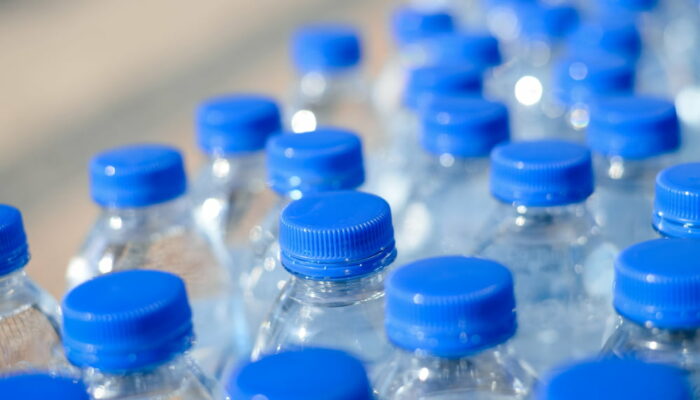
The importance of water in daily life is no secret. From its uses in agriculture and industry to individual sustenance, this resource is a vital source of life. However, most water today is deemed unsanitary or unfit for human consumption. Drinking this could increase the risk of diseases and infections. So, what’s the solution? The answer is simple: water purifiers. Read on to learn more about the benefits of these modern devices. Importance of water purifiers There is a growing global scarcity of clean and safe drinking water. Because of this, the shortage of potable water is not an issue limited to third-world countries. Water purifiers can help overcome this problem to a certain extent by doing the following: 1. Adding an extra layer of security Although water goes through municipal treatment processes, it could still collect dirt and debris from pollution, outdated pipes, heavy rainfall, or even residue. Using a water purifier can help add an extra layer of security by filtering any impurities in one’s water. 2. Removing contaminants Despite water treatment, authorities can’t remove all contaminants from the water. Although they try their best to regulate the levels of lead, pesticides, bacteria, viruses, and other contaminants in water, these could still be dangerous. A water purifier helps mitigate the risk by filtering these contaminants before consumption. 3. P rotecting health Drinking clean and purified water also reduces the risk of contracting water-borne diseases such as dysentery and cholera. Generally, a reverse osmosis water purifier (RO) is ideal for removing most bacteria and viruses that could cause infections. This process also removes chemical contaminants such as sodium, chloride, copper, and lead. 4. Reducing plastic waste Many people buy bottled water to ensure they consume safe drinking water. Although this is convenient and portable, it significantly adds to the amount of waste generated annually.
Read More
8 types of industrial machines and equipment to know about

8 types of industrial machines and equipment to know about

Industrial machinery forms the backbone of any industry, helping reduce time and effort. Today, industries have more demand for their products than ever, whether for raw materials or finished goods. Fortunately, machinery and equipment have also advanced over the years to meet such demands easily. However, industries must consider various aspects before buying machinery, including their specific activities and requirements. So, here are some types of industrial machinery and equipment to pick from: Industrial furnaces Certain industrial tasks are often possible only under high-temperature conditions, so the temperature needs to be controlled and monitored when performing such tasks. Industrial furnaces are devices that provide direct heat for such processes. Traditionally, coal and wood are used to fuel furnaces, but over the years, they have become outdated because of the air pollution they tend to cause. These days, furnaces are directly powered by fuel and controlled by electricity. Electric furnaces are used for operations like drying of food, fermentation at low temperatures, heating and melting metals, etc. Forklifts Material handling is an essential but cumbersome process in factories. Material handling equipment helps load, unload, and transport heavy-duty goods quickly and reduces workers’ burden. Forklifts are essential material handling products used to move heavy loads within warehouses and factories. They are equipped to carry heavy pallets containing bricks, bulky factory equipment, cargo boxes, construction material, metallic items, recycling material, etc. As the most common material handling equipment in industries, forklifts are required for factories dealing with heavy goods daily. Mining equipment The mining industry is responsible for most products we use daily, from metals and oil to clay and gravel. Since mining requires digging the earth’s surface and subsurface to obtain these materials, cutting-edge equipment must be used. Mining equipment is used for drilling, excavation, hauling, quarrying, shoveling, and blasting. They are also used for extracting oil, coal, and gas and in construction sites for earth moving.
Read More
7 negative effects of drinking unpurified water

7 negative effects of drinking unpurified water

Access to clean water is essential across the world. However, with the depletion of freshwater resources, ensuring access to it is becoming increasingly difficult. Despite federal and state-level water filtration systems and regulations, the water received in most households carries microbes, chemicals like fluorine, chlorine, mercury, lead, pesticides, and even waste particles. Read on to find out about how unpurified water may be having a detrimental impact on individuals as well as the environment. Increased risk of diseases Although water is treated at state-level facilities to filter out contaminants like viruses, bacteria, fungi, and parasites, they may still find their way to one’s home. This occurs because, at extensive facilities, water is only treated to reach the “safe” levels. Since this does not remove all the impurities, it could cause water-borne diseases such as cholera, diarrhea, and typhoid. Unfiltered water may also carry high levels of aluminum, which is difficult for the body to process and excrete as waste. Consuming it regularly via drinking water could increase the risk of aluminum seepage in the brain, which could potentially increase the risk of Alzheimer’s Disease. To keep oneself and loved ones safe, investing in an RO-based water purification system for the home is safer. No assurance of water quality There’s no way to inspect or monitor the quality of the home’s daily water supply once it leaves the treatment facility. This problem can be resolved entirely by using a household water purifier. These systems generally use replaceable filters, so one can constantly monitor the quality of water they are using and consuming. Heavy chlorine and lead consumption At large purification plants, chlorine is added to water to kill bacteria and viruses. However, the over-consumption of chlorine can be dangerous for one’s health. It could lead to difficulty during breathing, shortness of breath, chest tightness, skin and eye irritation, etc.
Read More

Latest Articles

Foods to Eat and Avoid for Optimal Kidney Health

Foods to Eat and Avoid for Optimal Kidney Health

Kidneys help filter waste from the blood and dispose of it off the body via urine. They also help balance the electrolyte and fluid levels in the body. But, conditions like high blood pressure and diabetes may intervene with their ability to work as required. Furthermore, damage to the kidney might also result in chronic kidney disease. Hence making changes in your meal plan is a vital aspect of treatment. You can prevent damage to these organs by following a kidney-healthy meal plan. Below, we will address some foods to eat and avoid for better kidney health. Foods to eat Cauliflower Cauliflower is a nutritious vegetable. It’s an excellent source of folate, Vitamins B, K, and C. It’s rich in anti-inflammatory compounds like indoles, a fiber source. In addition, you can use mashed cauliflower as a replacement for potatoes. For example, a cup of cooked cauliflower has 40 mg of phosphorous, 176 mg of potassium, and 19 mg of sodium. Sweet potatoes They are relatively similar to white potatoes but have more fiber content, resulting in them breaking down more gradually. Hence, you will experience a less spike in insulin levels. Sweet potatoes are also rich in vitamins and minerals like potassium that help balance the sodium levels in the body and lower their impact on the kidneys. But, since sweet potatoes have a high potassium content, people on dialysis or those with CKD should curtail the intake of this vegetable. Red bell peppers They are rich in flavor and low in potassium, but that is not the sole reason they are considered a hit among people with kidney disease . Red bell peppers have Vitamin C and A sources and are also high in fiber, folic acid, and B6 vitamin content. In addition, red bell peppers are also suitable because they have lycopene, an antioxidant that shields against some cancers.
Read More
Top Foods for Managing Macular Degeneration

Top Foods for Managing Macular Degeneration

Macular degeneration is the leading cause of irreversible vision loss in people over 60. Presently, it affects over 10 million people in the country. As one gets older, the risk of developing the condition increases, and so those over 75 have a nearly 33% risk of being diagnosed with macular degeneration. While the disease does not have a permanent cure, a few treatment options and the following nutrient-rich foods can help one manage the symptoms. Whole grains, beans, and dairy Zinc is a vital mineral that helps in the absorption of vitamin A, which aids in melanin production, a pigment that protects the eye. This is why most sight-related issues, such as cataracts or poor night sight, are related to zinc deficiency. Research suggests those with high AMD risk can slow the progression of the disease by adding zinc and some antioxidants to their daily meals. Some great zinc sources are whole grains, dairy products, and beans. Even though one can find zinc supplements in the market, the products might intervene with the body’s ability to absorb copper. So, if one meets their daily zinc requirements via supplements, they opt for copper supplements too. However, before introducing such changes to one’s meal plans, one must discuss them with a nutritionist or a doctor. Nuts and seeds Omega-3 fatty acids provide the body with the nourishment to combat inflammation and are great for eye health. A few excellent omega-3 sources are flaxseed, chia seeds, walnuts, flaxseed oil, soybean oil, and canola oil. These foods can help lower bad cholesterol in the body, typically associated with increasing the risk of macular degeneration. Oranges Folate is a B vitamin and aids in cell replication. People who have a substantial folate intake show signs of slow eye disease progression. One can meet the body’s folate requirements by choosing foods like peanuts, orange juice, oranges, Brussels Sprouts, black-eyed peas, grains, and spinach.
Read More
Top 6 Liquid Detergents for Seniors

Top 6 Liquid Detergents for Seniors

If you’re like most people, doing laundry is presumably not your preferred chore. It’s time-consuming and often requires multiple steps. However, one way to make laundry easier is to use a liquid detergent designed specifically for seniors. Liquid laundry detergents are becoming increasingly popular because they are easy to use and can be stored conveniently. They are less likely to cause skin irritation than powder detergents. Below are the top six liquid detergents for seniors. Benefits of using liquid detergents Liquid detergents are an excellent choice for many reasons. Liquid detergents work better than powders because they can penetrate the fabric more efficiently and remove dirt, dust, and stains from the fabric’s surface. They also have a low environmental impact because they do not contain harsh chemicals that can harm the environment. Liquid detergents are also easy to use. You must pour them into your washing machine and wash your clothes. And if you want to save the detergent; liquid detergents come in bottles that allow you to measure how much soap is needed per load. Most liquid detergents are biodegradable, which reduces waste disposal costs and helps protect our environment. Finally, liquid detergents leave your clothes feeling soft and silky after washing them. This is because they dissolve water-soluble fibers in the fabric, which causes them to be drawn out by the washer’s spin cycle. Why should seniors choose their liquid detergents carefully? Our skin becomes sensitive and prone to dryness and irritation as we age. That’s why choosing a liquid detergent designed for seniors is crucial. Look for one that is hypoallergenic and free of fragrances, dyes, and other harsh chemicals. A good senior-friendly liquid detergent will keep your skin clean and refreshed. Top 6 senior-friendly liquid detergents Charlie’s soap natural liquid laundry detergent It is a safe, effective, and affordable option for those seeking an alternative to conventional laundry detergents.
Read More
10 Amazing Laundry Detergents For Daily Needs

10 Amazing Laundry Detergents For Daily Needs

Laundry is an essential daily routine task, which can sometimes get tiresome. With a suitable laundry detergent, your clothes will come clean and smell fresh. Moreover, your laundry detergent should be practical and cruelty-free. To make your purchasing decision easier, here is a list of the top ten highly efficient laundry detergent options and their highlighting features. So, if you want to make your daily laundry tasks easier, read on. Method 8X laundry detergent There are a lot of laundry detergents on the market these days, and it can take a lot of work to single out the right for you. If you’re looking for a highly efficient option, Method 8X laundry detergent is a great choice. This detergent comes in a pump bottle, and it’s able to handle 50 loads of laundry. It’s also very affordable, costing just $14.58 for 20 fl oz. Additionally, it is allergen-free. This ultra-concentrated (8x) formula is plant-based and cruelty-free, making it an excellent choice among eco-friendly options. Moreover, the smart-clean technology ensures that your clothes come out clean and fresh with every wash. Earth Breeze eco sheets This detergent is made with natural ingredients and is available for $20 for 60 loads of laundry. It comes in a convenient 2-pack to clean your clothes without spending too much money. And if that’s not enough, it also has certified organic status, meaning its ingredients are sourced from plants that are certified organic by an accredited body. These sheets are made with phosphate-free and biodegradable ingredients, so you can feel good about using them without harming the planet. This detergent is safe for machine and hand washing, making it an excellent option for anyone who wants to avoid harsh chemicals. They are also paraben-free, making them a perfect choice for sensitive skin. Additionally, they’re highly efficient in removing the toughest stains from all kinds of fabrics, meaning you’ll use less detergent overall and save money in the long run.
Read More
11 Practical Tips For Managing Anxiety

11 Practical Tips For Managing Anxiety

Have you experienced your heart racing faster as a response to a stressful situation? Did your palms ever get clammy when confronted with an overwhelming event or task? These are all typical symptoms of anxiety. It is your body’s natural response to stress and gets triggered by an event, a memory, or by a multitude of things in general. It is essential to identify your triggers and seek ways to cope with or manage anxiety. 11 tried and tested ways to manage anxiety Practice deep breathing Deep breathing increases the supply of oxygen to the brain and helps calm the system down. So, if you feel yourself becoming tense, inhale and exhale multiple times, and you will feel relaxed. It is an excellent activity to slow down and recenter your mind. Write down your thoughts Maintaining a journal to regularly jot your thoughts on paper or in the notes app can help you process your emotions. It also paradoxically eases anxiety. When you dump the thoughts hovering in your head on the paper, you can string them apart and try and get a new perspective. It is known as cognitive defusion, wherein you develop an observer or witness perspective for your thoughts. From the mindfulness perspective, it is decentering, a skill vital for change. It also helps better your meta-cognition skills, which helps with cognitive flexibility, quintessential for mental fitness. Repeat it till you overcome it Do you have a fear of going on the stage? You may be able to get rid of it if you continually push yourself. So, go on the stage repeatedly and perform. Of course, you will be very anxious at first, but over time it will reduce and stop bothering you eventually. So, take the troublesome route and do it over and over again.
Read More
Key Things to Know Before Getting Dental Implants

Key Things to Know Before Getting Dental Implants

Dental implants are becoming increasingly popular among those looking to replace missing teeth. These implants are strong and durable and look just like natural teeth. Moreover, the procedure is simple. If you, too, are considering dental implants, it is essential to know all the facts before making an appointment with the dentist. This article discusses a few essential things you need to know about implants, from their types to the benefits they offer. What are dental implants? These are artificial teeth recommended for those with missing or damaged original teeth. The implants are affixed by dentists using a few tools. The look-alikes are made using biocompatible materials, such as titanium or zirconia, which blend with the bone over time. Dental implants are a long-term solution for replacing teeth. They are often considered the best option for people who cannot restore their teeth function using traditional methods, such as dentures or bridges. However, implants may need to be replaced if they wear down or are moved out of position due to chewing or dental issues. What are the steps involved in affixing dental implants? When considering dental implants, it is essential to understand the steps involved in the process. Dental surgery is complex and delicate and requires careful planning and execution. Here are the steps to be followed: Evaluation During this stage, your dentist will evaluate your teeth and determine which type of implant best suits you. This includes taking X-rays and performing a physical examination. Teeth extraction If necessary, the doctor will remove all your teeth before beginning the implant process. This is necessary to ensure no debris or other objects get in the way of implant placement. Grating After your teeth have been extracted, the dentist will use a special grater to create tiny grooves in each tooth surface.
Read More